Navigating IRS Publication 3966: A Comprehensive Guide
Tax season can evoke a spectrum of emotions, from anxiety to relief, especially for individuals with disabilities or those caring for someone with a disability. Understanding IRS Publication 3966 is crucial for accessing potential tax benefits that could alleviate financial stress. This guide delves into the nuances of this publication, offering insights into its purpose, who should consider it, and how to utilize it effectively.
The Role of IRS Publication 3966 in Tax Preparation
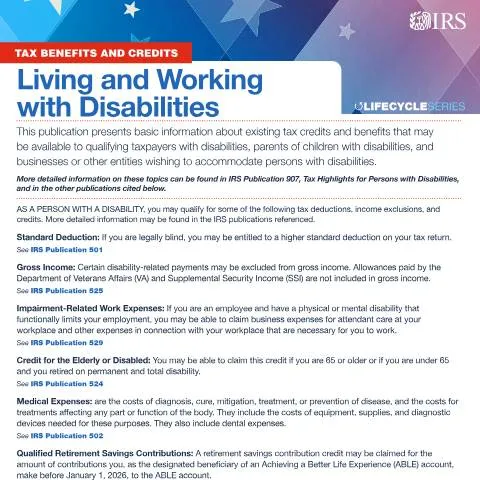
IRS Publication 3966 serves as a pivotal resource outlining tax credits and deductions specifically available for individuals with disabilities and their caregivers. This publication is not merely a list; it’s an essential tool designed to help taxpayers identify benefits that may significantly impact their financial situation.
Who Should Pay Attention to Publication 3966?
This publication is tailored for:
- Individuals with disabilities seeking to maximize their tax returns.
- Parents of children with disabilities, who may qualify for various tax benefits.
- Business owners aiming to accommodate employees with disabilities and access tax credits.
Understanding the Tax Benefits Outlined in Publication 3966
The information within Publication 3966 is categorized into several key areas, each targeting specific circumstances. Here’s a closer look at the types of benefits that may be accessed:
Tax Deductions and Credits for Individuals with Disabilities
Individuals with disabilities may qualify for various deductions and credits, including:
- Standard Deduction: This can be increased if the taxpayer is legally blind, allowing for a greater reduction in taxable income. Refer to IRS Publication 501 for specifics.
- Medical Expenses: Costs incurred for diagnosis, treatment, or prevention of disease, including necessary medical equipment and supplies, can be deductible. See IRS Publication 502 for further details.
- Impairment-Related Work Expenses: If working conditions impose additional expenses due to a physical or mental disability, these may be eligible for deduction. More information is available in IRS Publication 529.
Tax Benefits for Parents of Children with Disabilities
Parents can also access specific credits related to the financial support of their dependents with disabilities:
- Dependency Exemption: A child with a permanent disability may be claimed as a dependent regardless of age. Guidelines can be found in IRS Publication 501.
- Child or Dependent Care Credit: This credit applies to those who incur costs for caregiving services for a dependent unable to care for themselves. Refer to IRS Publication 503 for more information.
Filing Procedures and Submission Channels for Publication 3966
Completing and submitting the tax forms that incorporate the benefits outlined in Publication 3966 can be done through various channels. Understanding the differences between these channels is vital for an efficient tax filing experience.
Online Filing vs. Paper Submission
Taxpayers may choose between online filing or paper submission, each having its own advantages:
| Method | Advantages | Disadvantages |
|---|---|---|
| Online Filing |
|
|
| Paper Submission |
|
|
Preparing Documentation for Filing
When claiming deductions or credits, it’s essential to have the right documentation. Publication 3966 outlines key documentation requirements. Here’s what you need to prepare based on specific situations:
Essential Documentation for Individuals with Disabilities
Gather the following documentation to support your claims:
- Medical Records: These should detail your disability and any related medical expenses.
- Proof of Income: Include any relevant income statements, especially for those applying for credits like the Earned Income Tax Credit (EITC).
Documentation for Parents of Children with Disabilities
For parents, the required documentation may include:
- Proof of Disability: Documentation from a healthcare provider confirming the child’s condition.
- Caring for Dependents: Receipts or invoices for care services provided to the dependent.
Potential Pitfalls: Common Areas of Confusion
Despite the clear guidelines, there can be confusion surrounding the completion of forms linked to Publication 3966. Being aware of these pitfalls can save time and prevent errors.
Common Mistakes When Filing
- Incorrect Dependent Claims: Ensure that you meet the qualifications for claiming your child as a dependent; failing to do so can lead to delays or denials.
- Misreporting Income: Double-check all income sources, as misreporting can affect eligibility for credits.
Follow-Up Procedures with the IRS
After submitting your tax return, it's essential to monitor the status of your claim. Here’s how:
- Use the IRS online tool to check the status of your refund.
- If you encounter issues, contact the IRS directly; have your identification and details about your submission ready.
Understanding Your Rights and Obligations
As a taxpayer, it’s vital to recognize your rights and obligations when submitting forms related to Publication 3966. Knowledge of these aspects can empower you in your dealings with the IRS.
Your Rights as a Taxpayer
Each taxpayer is entitled to:
- Confidentiality of your tax information.
- Clear explanations of any IRS decisions affecting your tax situation.
Obligations to the IRS
In turn, you are obligated to:
- Provide accurate information on your tax returns.
- Respond to IRS inquiries promptly to avoid further complications.
Maximizing Your Benefits: Strategies for Economic Relief
Successfully navigating the benefits outlined in Publication 3966 can lead to significant financial relief. Here are strategies to optimize your tax benefits:
Utilizing All Available Credits
Don’t leave any money on the table. Explore all credits applicable to your situation. For instance:
- Take advantage of the EITC if you meet the qualifications.
- Consider the Child and Dependent Care Credit if you incur costs related to care for dependents.
Consulting with a Tax Professional
For more complex situations, it may be beneficial to seek guidance from a tax professional. They can provide tailored advice and ensure that you are maximizing your available credits and deductions.
Final Considerations: Moving Forward with Confidence
Tax filings can be daunting, especially for individuals with disabilities and their families. However, understanding IRS Publication 3966 can provide a pathway to significant financial benefits. By preparing adequately, following the guidelines, and being aware of your rights, you can navigate the tax landscape with ease and confidence. With the right information, you can ensure that you make the most out of the tax benefits available to you.
Understanding IRS Publication 3966: The Basics
IRS Publication 3966 serves as a vital resource for taxpayers, particularly individuals navigating the complexities of tax issues associated with identity theft. This publication provides comprehensive guidance on how to report identity theft to the Internal Revenue Service and the necessary steps to protect one's personal information. Taxpayers must first be aware that identity theft can lead to fraudulent tax returns being filed using their Social Security Number (SSN), which can result in delayed refunds and a host of administrative challenges.
Within the pages of IRS Publication 3966, the IRS outlines essential definitions, potential indicators of identity theft, and recommended actions for affected taxpayers. The publication emphasizes the importance of promptly reporting any suspicious activity or discrepancies related to their tax filings. By understanding the contents of this publication, taxpayers can take proactive measures to mitigate risks associated with identity theft.
Navigating the Steps If You're a Victim of Identity Theft
If you suspect that you have fallen victim to identity theft, IRS Publication 3966 delineates a clear pathway for recovery. First and foremost, you should gather all pertinent documentation regarding the fraudulent activity. This may include copies of tax returns, correspondence from the IRS, and any other relevant records that substantiate your claim.
The next critical step involves reporting the identity theft to the Federal Trade Commission (FTC) via IdentityTheft.gov. This site provides a personalized recovery plan that includes completing an Identity Theft Report, which can be crucial for resolving issues with the IRS and other entities. After filing your report with the FTC, you should also contact the IRS directly using their dedicated phone number for identity theft: 1-800-908-4490. You will need to provide your Identity Theft Report, which can facilitate claims and expedite the resolution process.
Additionally, IRS Publication 3966 advises you to place a fraud alert on your credit report through one of the three major credit bureaus—Equifax, Experian, or TransUnion. A fraud alert notifies creditors to take extra steps to verify your identity before extending credit, thus safeguarding against further misuse of your personal information.
Finally, it's critical to keep detailed records of all communications with the IRS and other agencies involved in resolving your identity theft case. This documentation may ultimately become essential for your protection and the resolution of any outstanding tax issues.
The Role of the Identity Protection PIN Program
One of the most effective tools introduced by the IRS to combat identity theft is the Identity Protection PIN (IP PIN) program. According to IRS Publication 3966, once a taxpayer has reported identity theft, they may be eligible to receive an IP PIN, which serves as an additional security feature when filing their tax return. The IP PIN is a six-digit number unique to the taxpayer and is updated annually, making it difficult for identity thieves to file fraudulent returns using stolen SSNs.
Taxpayers can apply for an IP PIN through the IRS's online Get an IP PIN tool. This program is especially beneficial for individuals who have previously been victims of identity theft or those who reside in certain areas with high rates of identity theft. Once enrolled, the taxpayer must include their IP PIN on their tax return to ensure that the IRS recognizes the submission as legitimate. Failure to include the correct IP PIN can result in delays in processing the tax return and possible audits.
Moreover, the IRS encourages eligible taxpayers to not only apply for an IP PIN but also to maintain their current contact information with the agency. This is crucial since the IP PIN is sent via mail, and any changes to address could hinder the receipt of this security feature. Taxpayers are reminded that even with an IP PIN, they should remain vigilant about their personal data and consider taking additional measures to safeguard their information, such as using two-factor authentication for online accounts.