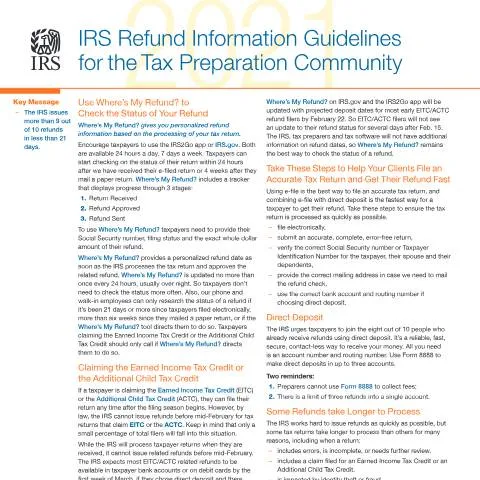
Understanding IRS Publication 2043: A Crucial Link in Effective Tax Management
Tax season can often feel like navigating a dense forest, where every turn seems to lead to yet another form or document to fill out. One such document that plays a critical role in this labyrinth is the IRS Publication 2043. This publication, while often overlooked, serves as a guide for taxpayers, helping them understand various tax-related issues concerning refunds, tax returns, and obligations. Navigating this publication successfully can make a significant difference in your overall tax experience.
The Role of Publication 2043 in the Tax Filing Process
Publication 2043 provides essential information about the intricacies involved in tax refunds, particularly for those who opt for electronic filing. While you may be tempted to view it as just another bureaucratic formality, the implications of properly understanding this document can be substantial. It delineates the steps to take to ensure that your tax return is processed efficiently and accurately, which is crucial for a timely refund.
What Information Does Publication 2043 Cover?
Publication 2043 addresses several critical areas concerning tax returns:
- Filing Status: How to determine the appropriate filing status and its implications on tax refunds.
- Refund Processing Times: Guidelines on how long you should expect to wait for your refund.
- Direct Deposit Options: Instructions for setting up direct deposit for faster access to your refund.
- Electronic Filing Benefits: The advantages of e-filing and how it can streamline the refund process.
The Importance of Accurate Filing
One of the critical takeaways from Publication 2043 is the emphasis on filing an accurate and complete return. The IRS states that errors or incomplete submissions can lead to delays. In fact, tax returns that require additional review are particularly susceptible to processing delays, which can affect your expected refund timeline. Therefore, the mantra is clear: double-check your entries, ensure that all required documents are attached, and verify your Social Security Number (SSN) or Taxpayer Identification Number (TIN).
Who Should Consider IRS Publication 2043?
While it may seem that only seasoned taxpayers or tax preparers would benefit from Publication 2043, the reality is that it is relevant for a wide range of individuals:
- First-time Filers: New taxpayers can gain valuable insights into the filing process.
- Self-employed Individuals: Business owners navigating unique tax situations will find this publication useful.
- Families with Dependents: Those claiming tax credits related to children will benefit from the detailed guidelines.
Special Considerations for Specific Tax Profiles
Publication 2043 also addresses specific scenarios that may require additional attention:
- Taxpayers Claiming the Earned Income Tax Credit (EITC): If you are eligible for EITC, be aware that the IRS cannot issue refunds before mid-February for related tax returns.
- Those Filing Amendments: Individuals who amend their tax returns must understand that this can complicate the refund process.
- Foreign Income Earners: Taxpayers with foreign income may have additional complexities to navigate.
Completing Your Tax Return: Key Takeaways from Publication 2043
Understanding the nuances of IRS Publication 2043 is essential for completing your tax return accurately. Here are some vital points to consider:
- Use of e-filing: The publication underscores that e-filing is the most efficient method for submitting your tax return.
- Input Accuracy: Ensure that all numerical entries are correct, particularly the refund amount and SSN.
- Choosing Direct Deposit: Opting for direct deposit is encouraged as it provides quicker access to your refunds.
A Practical Step-by-Step Guide
Here's a condensed step-by-step process to follow when using Publication 2043 as part of your filing:
- Gather all necessary documentation, including W-2s, 1099s, and any other income statements.
- Review the IRS guidelines provided in Publication 2043 for claiming deductions or credits.
- Complete your tax return electronically, ensuring all information matches your supporting documents.
- Select the option for direct deposit to expedite refund processing.
- Submit your return and track your refund status using the IRS's "Where’s My Refund?" tool.
Addressing Issues: Errors, Delays, and Missing Information
Issues can arise despite best efforts, so understanding how to address them is crucial. Publication 2043 provides guidance on several common problems:
What to Do in Case of Errors
If you discover an error after submission, it is essential to act quickly. The publication outlines the process for amending your tax return, which involves filing Form 1040-X. This form allows you to correct mistakes and is critical for ensuring your tax obligations are met accurately.
Dealing with Delayed Refunds
Should your refund take longer than anticipated, Publication 2043 advises using the "Where’s My Refund?" tool available on the IRS website. Through this tool, you can monitor the status of your refund and gain personalized updates. It’s updated every 24 hours, allowing you to track progress without unnecessary anxiety.
Missing Information: The Importance of Complete Documentation
In cases where documentation is incomplete or certain pieces are missing, the IRS may send you a notice requesting the additional information. Responding promptly is critical, as delays in your response can further extend the time it takes to receive your refund.
The Distinction Between Publication 2043 and Other IRS Documents
Publication 2043 often gets confused with other IRS documents, but understanding its unique role can help streamline your tax preparation process. Unlike IRS Form 1040, which is a tax return form, Publication 2043 serves as a guide for understanding the tax refund process.
Comparison with Other IRS Publications
| Publication/Form | Purpose | Key Distinctions |
|---|---|---|
| IRS Form 1040 | Individual Income Tax Return | Primary form for filing taxes; does not offer guidance on refunds. |
| Publication 2043 | Tax Refund Guidelines | Focuses on refund status, delays, and electronic filing benefits. |
| Publication 1345 | Handbook for Authorized IRS e-file Providers | Specifically for e-file providers; not intended for general taxpayers. |
Utilizing IRS Resources and Tools for a Smoother Experience
In addition to Publication 2043, the IRS offers a myriad of resources designed to help taxpayers navigate the filing process. Familiarizing yourself with these resources can provide additional support:
- IRS.gov: The official IRS website is the first stop for forms, publications, and updates.
- IRS2Go App: This mobile application allows you to track your refund and access other essential services.
- Local IRS Offices: Visiting a local IRS office can provide one-on-one assistance and guidance.
Final Thoughts: Empowering Yourself Through Knowledge
IRS Publication 2043 may seem like just another piece of paperwork in the grand scheme of tax filing, but its role is far more significant than that. By understanding its contents and implications, you empower yourself to manage your taxes more effectively. The nuances of tax refunds, combined with detailed instructions on filing procedures, can greatly enhance your overall experience during tax season.
Being well-informed not only boosts your confidence but also enhances your ability to navigate potential pitfalls effectively. Therefore, make it a priority to familiarize yourself with IRS Publication 2043 and leverage it as the vital resource it is. Your financial well-being and peace of mind depend on it.
Understanding IRS Publication 2043: A Comprehensive Guide
IRS Publication 2043 provides vital information regarding the taxation of income earned outside of the United States by U.S. citizens and resident aliens. This guide serves as a tool for understanding various tax obligations that arise from foreign income, detailing reporting requirements, potential credits, and exclusions that may apply. It’s crucial to grasp these concepts thoroughly, especially given the complexities of international taxation.
This publication is particularly relevant for individuals who work or live abroad, as well as those who receive foreign income, such as wages, dividends, or interest. Publication 2043 outlines the necessary steps to properly report this income, ensuring compliance with U.S. tax laws while taking advantage of any available benefits, such as the Foreign Earned Income Exclusion (FEIE) and the Foreign Tax Credit (FTC).
Key Concepts in IRS Publication 2043: Foreign Tax Credits and Income Exclusions
One of the primary features covered in IRS Publication 2043 is the Foreign Earned Income Exclusion (FEIE), which allows qualifying taxpayers to exclude a certain amount of foreign earned income from their taxable income, thus potentially reducing their overall tax liability. For the 2023 tax year, the exclusion limit is adjusted annually for inflation. To qualify, individuals must meet specific requirements related to residence and physical presence in a foreign country.
In addition to the FEIE, taxpayers may also explore the Foreign Tax Credit (FTC) if they have paid or accrued foreign taxes. The FTC essentially mitigates the effects of double taxation, allowing U.S. taxpayers to claim a dollar-for-dollar credit against their U.S. tax liability for taxes paid to foreign governments. The process of determining which foreign taxes qualify can be intricate, requiring a detailed understanding of both U.S. tax law and the tax treaties that the U.S. has with various countries.
Taxpayers must carefully navigate the distinctions between the FEIE and FTC to optimize their tax position. For instance, the decision to exclude foreign income under the FEIE could affect eligibility for the FTC. It is essential to consult IRS guidance and possibly seek professional tax advice to evaluate the best course of action based on individual circumstances.
Filing Requirements and Deadlines for Expatriates
Taxpayers living abroad are often subject to different filing requirements and deadlines. Generally, U.S. citizens and resident aliens must file their tax returns on the same schedule as domestic taxpayers, with a deadline of April 15. However, there are provisions for automatic extensions that allow expatriates to file their returns later, typically until June 15, without incurring late-filing penalties. It is essential to note that any taxes owed remain due by April 15 to avoid interest and penalties.
Moreover, expatriates may also need to file additional forms along with their Form 1040, such as Form 2555 to claim the FEIE or Form 1116 to claim the FTC. Understanding which forms are necessary based on individual circumstances is crucial for compliance. In addition, expatriates might need to be aware of reporting requirements for foreign bank accounts (FBAR) if the aggregate value exceeds $10,000 at any time during the calendar year. Failure to comply with these requirements can result in severe penalties.
In conclusion, IRS Publication 2043 is an essential resource for U.S. citizens and resident aliens earning foreign income. It provides a roadmap for navigating the often complex world of international taxation, ensuring that taxpayers understand their rights and obligations. Taking the time to comprehend the publication's content and consult appropriate resources can lead to significant savings and a smoother tax filing experience.