Understanding IRS Publication 5649PR: A Guide for Puerto Rican Residents
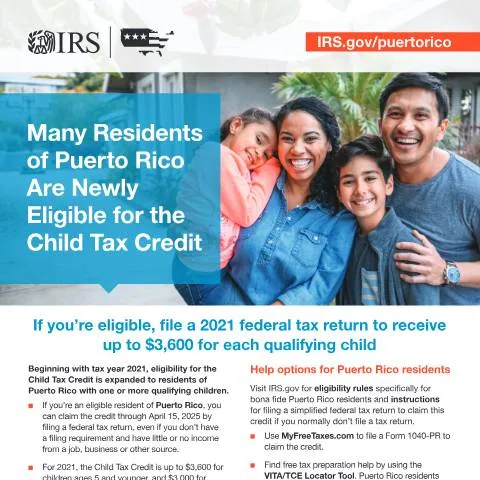
In recent years, IRS Publication 5649PR has emerged as a vital resource for residents of Puerto Rico, especially in light of new eligibility criteria for certain tax credits. This publication not only outlines the procedures for filing but also clarifies who can take advantage of the Child Tax Credit, marking a significant shift in tax policy.
The Significance of Publication 5649PR in Tax Filing
Publication 5649PR is essential for any eligible resident of Puerto Rico aiming to claim the Child Tax Credit. By specifically addressing the nuances of tax filing for this demographic, it ensures that individuals can navigate the complexities with greater ease. As legislation evolves, understanding these updates becomes crucial for financial planning and compliance.
The Child Tax Credit Explained
The Child Tax Credit (CTC), which was previously limited in scope for Puerto Rican residents, has been expanded significantly. Starting from the 2021 tax year, residents can claim:
- $3,600 for qualifying children aged 5 and under
- $3,000 for qualifying children aged 6 to 17
This change provides substantial financial relief for families, allowing them to receive funds that can directly benefit their household.
Who Should File Using Publication 5649PR?
While the publication is primarily aimed at residents of Puerto Rico with qualifying children, there are particular subsets of individuals who may benefit:
- Grandparents and Guardians: Those who are raising grandchildren or other relatives may also qualify, broadening the scope of eligibility.
- Low-Income Earners: Even individuals without a formal filing requirement due to low income can benefit from this credit.
Navigating the Filing Process: Steps and Channels
When it comes to filing, residents have multiple channels available. It's important to understand these options to ensure that the submission process is as smooth as possible.
Online Filing: A Convenient Option
Filing online has become a preferred method for many, offering a faster and often more user-friendly interface. The IRS provides resources to assist individuals in completing the Form 1040-PR electronically. Here are some advantages of online filing:
- Immediate confirmation: Receive instant acknowledgment of your submission.
- Error checking: Built-in tools can help catch mistakes before they are submitted.
Paper Filing: Traditional Yet Effective
For those who prefer the traditional route, filing via paper is still an option. Here’s a quick overview of what to consider:
- Time-consuming: It may take longer to process compared to online submissions.
- Documentation: Ensure that all necessary documents are included to avoid delays.
In-Person Assistance: For Complex Cases
Residents who find the process overwhelming or complex may opt for in-person assistance. Various community organizations offer free tax preparation services, especially through programs like VITA/TCE, where trained volunteers assist individuals in filing their returns.
Essential Documentation: Preparing for Filing
Before filing, preparing the right documentation is crucial. Based on your specific situation, different documents may be required. Here’s a list of commonly needed items:
| Situation | Required Documents |
|---|---|
| Standard CTC Claim | Tax ID numbers for all qualifying children, income statements (e.g., W-2, 1099) |
| Claiming Dependents | Proof of relationship (birth certificates, adoption papers) |
| Low-Income Claimant | Any income statements, proof of residency |
What Happens After Submission?
After filing, staying proactive is essential. Understanding the timeline and what steps to take if further information is required can alleviate concerns.
Processing Times and Tracking Your Return
The IRS typically processes electronically filed returns faster than paper submissions. Generally, online filings can be expected to be processed within 21 days, while paper submissions can take significantly longer. The IRS offers tools that allow filers to track the status of their returns, offering peace of mind during the waiting period.
Responding to IRS Inquiries
Should the IRS require additional information after submission, they will initiate contact via mail. It’s crucial to respond promptly to any requests to avoid delays in processing your claim. Keep a record of all correspondence and responses for your files.
Addressing Common Complications: Errors and Missing Information
Even with the best preparations, errors can occur. Whether it’s a missing document or an incorrectly filled form, knowing how to address these issues is key.
Fixing Errors: Steps to Take
If you realize you have made an error on your form after submission, you can file an amended return using Form 1040-X. It’s advisable to:
- Gather all necessary documents related to the error
- Clearly outline the mistake and provide corrected information
- Submit the amended return promptly
In Case of Denial
If your claim for the Child Tax Credit is denied, the IRS will provide a letter explaining the reason. It may be possible to appeal the decision or provide additional information to support your claim. Be sure to keep all communication organized and maintain a clear timeline of events.
Understanding the Context: Historical Changes and Legislative Framework
IRS Publication 5649PR is rooted in a larger narrative of fiscal policy and tax reform affecting Puerto Rico. The changes surrounding the Child Tax Credit and its expanded eligibility signify significant shifts in how the federal government approaches taxation for residents of the island.
Legislative Background
Over the years, various legislative measures have shaped tax policies affecting Puerto Rico, from local tax codes to federal interventions. Understanding these changes provides insight into the current benefits and how they can be maximized. The evolution of the CTC is a prime example of how advocacy and legislative changes can ripple through to provide relief to families.
Future Considerations
As tax policy continues to evolve, residents should stay informed about potential future changes to the Child Tax Credit and other related benefits. Subscribing to updates from the IRS and following relevant news can ensure you’re always prepared.
Final Thoughts on Utilizing IRS Publication 5649PR Effectively
Mastering IRS Publication 5649PR is not just about understanding a form; it’s about leveraging the available resources to optimize your tax benefits. By engaging deeply with this publication, residents of Puerto Rico can not only ensure compliance but also take proactive steps to enhance their financial well-being.
Remember, the avenues for filing, the necessary documentation, and the provisions for assistance are all designed to facilitate a smoother process. By taking the time to understand and engage with IRS guidelines, you can maximize your eligibility and ensure that you are not leaving any potential benefits on the table.
Understanding IRS Publication 5649PR: Key Benefits and Eligibility Criteria
IRS Publication 5649PR, a crucial document for Puerto Rican taxpayers, outlines significant tax benefits available to those residing in the territory. This publication primarily focuses on the Earned Income Tax Credit (EITC), Child Tax Credit, and other credits that can enhance the financial well-being of eligible residents. However, deciphering the eligibility criteria and understanding the nuances of these benefits requires careful analysis.
To qualify for the EITC, the taxpayer must meet specific income thresholds and have a qualifying child or meet certain age-related criteria. For instance, if filing as a single individual, the maximum adjusted gross income must not exceed a specified limit. It is vital to check the IRS website for the most recent thresholds, as they adjust annually for inflation.
Moreover, the Child Tax Credit provides parents with a substantial financial boost. For each qualifying child under the age of 17, taxpayers can receive a credit amount that is partially refundable. To ascertain qualification, one must verify the residency requirements, as children must have lived with the taxpayer for more than half the year. For Puerto Rican residents, the criteria include considerations on how income is deemed and how it relates to federal regulations.
Taxpayers are urged to thoroughly examine the details in Publication 5649PR to maximize their benefits accurately. The publication also emphasizes the importance of maintaining documentation to support claims, particularly for taxpayers who may be selected for audit by the IRS.
Navigating Common Challenges with IRS Publication 5649PR
While IRS Publication 5649PR offers critical insights, taxpayers often face challenges when attempting to apply the guidance correctly. Understanding the specific language and regulations can be daunting. One common challenge includes the misinterpretation of residency requirements for credits. For those who have recently moved within Puerto Rico or relocated from the mainland, understanding how these changes affect tax benefits is paramount.
Additionally, taxpayers must be aware of the implications of self-employment income. For residents who earn income through freelance work or businesses, accurately reporting this income while claiming credits can be tricky. The publication outlines how self-employment income impacts eligibility; however, taxpayers must also consider local business regulations that may affect their federal tax filings.
Another prevalent issue is the timing of filing and understanding deadlines. Although the typical federal tax deadline is April 15, residents of Puerto Rico should confirm any specific deadlines applicable to their situation, particularly if they are claiming credits that require additional documentation. Misunderstanding deadlines can lead to missed opportunities for credit claims, resulting in lost savings.
Furthermore, the complexity of tax laws surrounding investments and capital gains requires taxpayers to seek clarity on how these elements interplay with their eligibility for credits mentioned in Publication 5649PR. Engaging with a tax professional familiar with both local and federal tax regulations can provide invaluable assistance in navigating these challenges effectively.
Future Changes and Considerations for IRS Publication 5649PR
Tax legislation is subject to change, and IRS Publication 5649PR will evolve accordingly. It is crucial for Puerto Rican taxpayers to stay informed about potential updates that may impact their eligibility for various credits. The IRS frequently revises publications to reflect changes in tax law, adjustments in income thresholds, and modifications in credit structures. Taxpayers should regularly visit the official IRS website and consider subscribing to updates to stay abreast of any developments.
Moreover, with the increasing trends in remote work and the gig economy, the IRS may adapt guidelines in Publication 5649PR to address these emerging income structures. As more individuals in Puerto Rico and beyond engage in freelance and remote work situations, understanding how this affects their tax obligations and eligibility for benefits will be crucial. Monitoring IRS announcements and seeking advice from tax professionals will help taxpayers navigate these evolving scenarios effectively.
In conclusion, IRS Publication 5649PR serves as an essential resource for understanding tax credits available to Puerto Rican residents. By staying informed about eligibility criteria, common challenges, and potential future changes, taxpayers can make well-informed decisions that maximize their benefits. Engaging with reliable resources and experts will enhance compliance and optimize financial outcomes.