Understanding IRS Publication 4038: A Comprehensive Guide
Tax season can be daunting, especially when navigating through various IRS forms and publications. One critical document that individuals and businesses need to be familiar with is IRS Publication 4038. This publication is not merely a guide; it serves as an essential tool for understanding the IRS's requirements for tax filings. It provides information on filing locations, deadlines, and specific procedures that taxpayers must follow.
The Target Audience: Who Should Pay Attention to Publication 4038?
IRS Publication 4038 primarily concerns both individual and business taxpayers. Understanding this publication is crucial for different profiles, including:
- Individual taxpayers: Those filing their annual tax returns who may need guidance on where to send their forms.
- Small business owners: Entrepreneurs filing their business tax returns to ensure compliance with federal requirements.
- Tax professionals: Accountants and tax preparers who assist clients in filing various tax forms and navigating IRS regulations.
It's important to note that there are specific sub-cases and exceptions that can apply to different taxpayers:
- Non-resident aliens: May have different filing requirements and locations.
- All states vs. specific states: Taxpayers from certain states may have additional considerations based on local regulations.
Key Components of IRS Publication 4038
Publication 4038 contains several crucial elements that every taxpayer should understand. These include:
- Filing locations: Information about where to send various tax returns, which can vary by state and type of return.
- Deadlines: The importance of adhering to filing deadlines to avoid penalties.
- Specific instructions: Detailed guidance based on the taxpayer's situation, such as filing for extensions or amendments.
Filing Locations: Where to Submit Your Returns
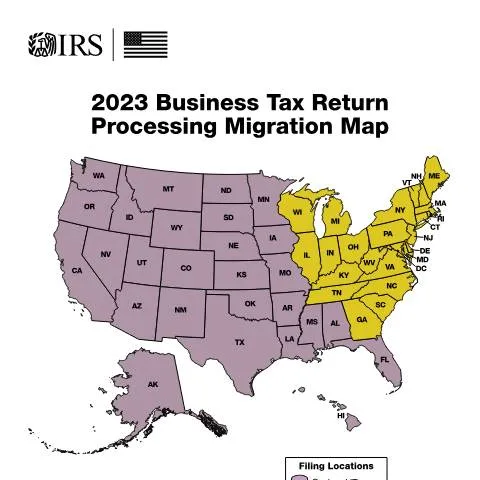
One of the key aspects of Publication 4038 is its detailed mapping of filing locations. It designates specific IRS campuses for different states. For instance:
| State | Filing Location |
|---|---|
| Texas | Austin, TX |
| Missouri | Kansas City, MO |
| Utah | Ogden, UT |
Understanding these filing locations is essential, as sending your tax forms to the wrong address can lead to delays in processing and potential penalties.
Consequences of Non-Compliance and Importance of Adhering to Guidelines
Failing to comply with the guidelines set forth in Publication 4038 can lead to significant consequences:
- Penalties: Late filing penalties can accumulate quickly, costing taxpayers significantly.
- Interest on unpaid taxes: If you owe taxes and do not file on time, interest will accrue on the unpaid amount.
- Delays in refunds: Submitting forms incorrectly or late can delay your tax refund.
Moreover, being aware of the requirements outlined in this publication opens up essential rights for the taxpayer, including the right to appeal IRS decisions and the right to accurate and clear communication about tax obligations.
Comparative Analysis: Distinguishing Publication 4038 from Similar Forms
Taxpayers often confuse Publication 4038 with other IRS forms and publications. Here's how it stands out:
| Document | Purpose | Key Differences |
|---|---|---|
| Publication 4038 | Guidance on filing locations and procedures | Specific to IRS campuses and filing instructions |
| Form 1040 | Individual Income Tax Return | Used to report income, deductions, and calculate tax |
| Publication 17 | Your Federal Income Tax | Comprehensive guide to federal income tax for individuals |
Understanding the distinctions between these documents can improve compliance and efficiency in the filing process.
Historical Context and Regulatory Framework Surrounding Publication 4038
IRS Publication 4038 is rooted in the federal administrative procedures governed by the Administrative Procedure Act. The publication has evolved to address the changing landscape of tax legislation and the needs of taxpayers. Key historical milestones include:
- Inception of IRS: Established to collect federal income taxes and enforce tax laws.
- Taxpayer Bill of Rights: Implemented to protect taxpayers and ensure fair treatment.
- Modernization efforts: Ongoing updates to filing procedures to streamline tax processes.
Practical Steps for Utilizing Publication 4038 Effectively
To make the most of IRS Publication 4038, consider these actionable steps:
- Review the publication thoroughly before the tax season.
- Determine your specific tax profile and identify relevant sections.
- Plan your filing schedule around the deadlines provided.
- Keep records of all submissions for future reference.
Each of these steps is critical to ensuring a smooth tax filing experience and maximizing your compliance with IRS requirements.
Understanding IRS Publication 4038: A Detailed Overview
IRS Publication 4038, titled "Reporting Tips to Employees," serves as a vital resource for both employers and employees in the service industry. This publication outlines the responsibilities concerning the reporting of tips received by employees, ensuring compliance with the federal tax regulations established by the IRS. It also provides guidelines on how to properly report these tips on individual tax returns, emphasizing the importance of accurate reporting to avoid potential tax liabilities.
Within this publication, the IRS categorizes tips as any payment received by an employee for providing services, which can include cash, checks, or other forms of payment. Employees are required to report tips that total $20 or more in a month to their employer, who must then incorporate these tips into the employee’s wages for tax withholding purposes. It is essential to highlight that all tips must be reported, regardless of the method of payment or whether they are received directly or through a tip-sharing arrangement.
Tips Reporting Requirements: What Employees Need to Know
For employees working in industries where tipping is common, such as restaurants or hospitality, understanding the reporting requirements outlined in Publication 4038 is crucial. Employees are advised to maintain a daily log of tips received, which can help ensure accuracy when reporting these amounts. The log should include details such as the date, the amount received, the source of the tip, and any additional notes relevant to the transaction. This practice not only aids in compliance but also serves as a protective measure during audits.
Employees should report their tips on Form 4070, “Employee’s Report of Tips to Employer,” which should be submitted to their employer by the 10th of the month following the month in which tips were received. Employers are then responsible for reporting these amounts on their payroll, which affects the Social Security and Medicare taxes withheld from the employee's wages. Failure to report tips accurately can lead to significant penalties and increase the likelihood of an audit by the IRS.
The Role of Employers in Tip Reporting Compliance
Employers also play a critical role in the tip reporting process as outlined in IRS Publication 4038. They are tasked with ensuring that their employees understand the tip reporting requirements and that they comply with them. Employers must educate their staff about the need to report tips and the potential consequences of underreporting. This can be accomplished through training sessions, informational pamphlets, or direct communication, emphasizing the importance of full compliance with IRS regulations.
Moreover, employers must maintain accurate records of tips reported by their employees. This includes tracking the total amount of tips received and reported on a monthly basis, which will be essential during tax filing. Employers are also required to report tips on their employment tax returns, including Form 941, “Employer’s Quarterly Federal Tax Return.” If an employer fails to comply with these reporting requirements, they may face penalties from the IRS, including fines and interest on unpaid taxes.
In addition, employers should be proactive in establishing a tip reporting system that allows employees to easily report their tips, whether through electronic means or paper forms. Implementing a robust system not only fosters transparency but also encourages employees to report tips accurately, reducing the risk of discrepancies that could lead to IRS scrutiny.