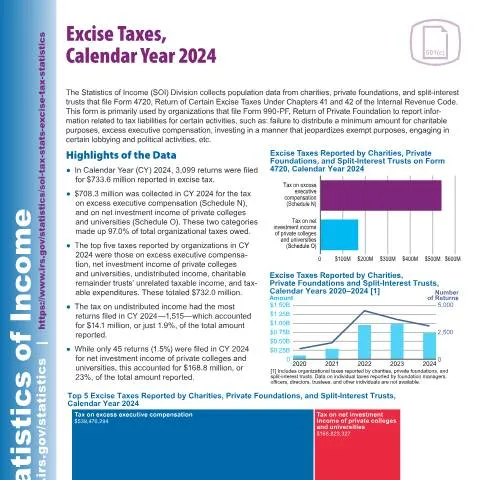
Understanding IRS Publication 6038: A Critical Document for Charitable Organizations
For organizations operating in the realm of philanthropy, IRS Publication 6038 serves as a crucial point of reference, detailing the specific tax obligations that charities, private foundations, and split-interest trusts must adhere to regarding excise taxes. This publication is not merely informational; it outlines actionable steps that can significantly impact an organization’s financial responsibilities and compliance status. As such, grasping the nuances of this document is essential for any entity that falls under its jurisdiction.
Who Needs to Engage with Publication 6038? A Closer Look at Affected Entities
While the title may suggest a broad application, Publication 6038 specifically targets a defined group of organizations. The primary audience includes:
- Charitable organizations classified under section 501(c)(3) of the Internal Revenue Code.
- Private foundations required to file Form 990-PF.
- Split-interest trusts that have tax liabilities under the specific chapters outlined.
Furthermore, it’s vital to recognize that not all charities will be required to file the same forms or meet identical obligations. Understanding your specific classification and its implications is vital to compliance.
Sub-categories and Exceptions to Consider
Within the broader categories of entities identified above, certain sub-categories exist that may impact filing requirements:
- Small Charitable Organizations: Some smaller charities may qualify for exemptions from filing based on their total annual revenue.
- Specialized Trusts: Trusts that do not engage in taxable activities may have different reporting standards.
- Organizations with Non-Exempt Activities: If an organization engages in lobbying or political activities, additional reporting may be necessary.
Identifying which category an organization fits into requires a detailed review of activities and income levels. The IRS provides resources to assist organizations in determining their obligations.
Navigating the Completion of Form 4720: Key Steps
Form 4720 is the official document associated with Publication 6038 that organizations must file. Completing this form incorrectly can lead to significant penalties or, worse, loss of tax-exempt status. Here’s a structured approach to ensure accurate completion:
| Step | Description |
|---|---|
| 1 | Gather financial information including income and expenditures. |
| 2 | Determine if your organization has any excise tax liabilities. |
| 3 | Fill out Form 4720 according to the instructions provided by the IRS. |
| 4 | Review all entries for accuracy, ensuring compliance with IRS guidelines. |
| 5 | Submit the form electronically or via mail, depending on your organization’s preference. |
Each step requires careful attention to detail, and organizations may benefit from consulting a tax professional familiar with IRS regulations to assist in the filing process.
Consequences of Non-Compliance: What’s at Stake?
Failing to meet the obligations set forth in Publication 6038 can have serious implications for organizations. Organizations may face:
- Financial Penalties: The IRS imposes significant fines for late or incorrectly filed forms, which can escalate quickly.
- Revocation of Tax-Exempt Status: Continuous non-compliance may lead to the loss of 501(c)(3) status, significantly impacting fundraising efforts.
- Increased Scrutiny: Organizations that have previously failed to comply may face closer inspections in future filings.
It’s critical for organizational leaders to prioritize adherence to these tax obligations as a protective measure against these potential pitfalls.
Filing Channels: Options for Submission
Organizations have various channels through which they can submit Form 4720, and understanding these options is crucial for timely compliance:
- Electronic Filing: Many organizations opt for e-filing due to its speed and confirmation of receipt, which creates a digital record of submission.
- Paper Filing: For those who prefer the traditional route, forms can be printed and sent via postal mail. However, this method may delay processing times.
- In-Person Submission: Certain organizations might choose to submit documents directly to an IRS office. This method can provide instant feedback, though appointments are often necessary.
Regardless of the chosen method, ensuring that the form is submitted before the deadline is paramount to avoid penalties.
Comparative Analysis: Publication 6038 vs. Other Tax Forms
It’s not uncommon for organizations to confuse Publication 6038 with other related tax forms and publications. Here’s a breakdown of how it differs:
| Document | Purpose | Who Files |
|---|---|---|
| Publication 6038 | Details tax obligations for excise taxes related to charitable activities. | Charitable organizations, private foundations. |
| Form 990-PF | Annual return for private foundations detailing income and charitable distributions. | Private foundations. |
| Form 4720 | Return of Certain Excise Taxes Under Chapters 41 and 42 of the Internal Revenue Code. | Organizations with excise tax liabilities. |
The distinctions between these documents emphasize the importance of understanding each form’s specific purpose and the filing requirements unique to each.
Preparing Supporting Documentation: A Must for Compliance
Organizations are required to maintain specific documentation supporting the information presented in Form 4720. Here’s a list of commonly required documents:
- Financial Statements: Detailed income statements and balance sheets for the year.
- Records of Charitable Distributions: Documentation evidencing distributed funds to eligible recipients.
- Transaction Records: Detailed logs of any transactions that may be subject to excise taxes.
Maintaining organized and readily accessible records not only facilitates compliance but also prepares organizations for potential audits or inquiries from the IRS.
Next Steps After Submission: Engaging with the IRS
Once the form is submitted, organizations should remain vigilant regarding their compliance status. Key actions include:
- Monitor for any correspondence from the IRS regarding the filing.
- Respond promptly to any requests for additional information or clarification.
- Review the organization’s financial status annually to ensure compliance remains in good standing.
This proactive approach will aid organizations in navigating the complexities of tax compliance successfully and maintaining their tax-exempt status.
Understanding the Requirements for Form 6038
IRS Publication 6038 provides essential guidance for U.S. taxpayers who maintain a foreign corporation or are involved in transactions with foreign entities. The responsibility to file Form 6038, also known as the "Information Return of U.S. Persons With Respect to Certain Foreign Corporations," falls heavily on U.S. shareholders and can carry significant implications for compliance and taxation. Notably, any U.S. person who owns at least 10% of a foreign corporation must be aware of their obligation to file, even if the foreign corporation is based in a country with favorable tax treaties or has a low effective tax rate.
The conditions triggering the necessity to file Form 6038 include various facets, such as ownership percentages, the type of transactions involved, and the nature of the foreign corporation itself. It's vital for taxpayers to understand that “U.S. person” encompasses not just individuals, but also corporations, partnerships, and certain trusts. To further complicate matters, if the foreign corporation is disregarded as an entity or operates under a different jurisdiction, additional factors must be analyzed to determine the proper filing requirements.
Moreover, it's crucial to differentiate between direct and indirect ownership. Direct ownership applies to shares that a U.S. person holds directly, while indirect ownership relates to shares owned through other entities. The attribution rules laid out in the Internal Revenue Code (IRC) amplify this complexity, as they stipulate how shares held by related parties can trigger filing obligations. Taxpayers must meticulously evaluate their chain of ownership and any relevant exceptions to avoid inadvertent non-compliance.
Common Mistakes to Avoid When Filing Form 6038
Filing Form 6038 can be daunting, and several common pitfalls can lead to errors or omissions that may result in penalties or undesirable tax implications. One frequent mistake is failing to meet the filing deadline. Form 6038 is due on the same date as the U.S. shareholder's income tax return, including extensions. Missing this date can lead to significant penalties; for instance, the IRS can impose a fine of $10,000 for failure to file, which increases the longer the form is overdue. Understanding the interplay between Form 6038 and the shareholder's tax return is paramount for timely and accurate filing.
Another common error involves inaccurate reporting of ownership percentages. U.S. shareholders must carefully analyze their ownership stakes in foreign corporations, as misreporting can lead to under-reporting income or failing to disclose related transactions. It's essential to calculate not just the percentage of direct ownership but also consider indirect ownership through other entities, including trusts or partnerships, to ensure full compliance with the reporting requirements.
Additionally, taxpayers should be cautious of incorrectly identifying the foreign corporation's controlled foreign corporation (CFC) status. Misclassification can lead to issues with both federal and state tax authorities. A CFC is generally defined as a foreign corporation where U.S. shareholders own more than 50% of the total combined voting power. Understanding how this classification affects the overall tax obligations of the U.S. shareholders is critical, especially in light of the complex rules governing CFCs and their impact on income reporting.
International Implications and Double Taxation Considerations
Another crucial aspect of IRS Publication 6038 is its implications for international taxation and double taxation considerations. U.S. persons who own foreign corporations may face complex tax scenarios, particularly involving foreign tax credits and treaties. The IRS offers foreign tax credit provisions to mitigate double taxation, allowing U.S. taxpayers to claim credits for taxes paid to foreign governments. However, these credits can only be claimed if the taxpayer files Form 6038 accurately and timely.
Taxpayers should also be aware of how their foreign corporation’s income is categorized under U.S. tax law. Income types such as Subpart F income—income earned by a controlled foreign corporation—may trigger additional reporting requirements. This includes tracking foreign base company income, foreign insurance income, and other specific categories outlined in the IRC. Filing Form 6038 correctly ensures that U.S. shareholders can take advantage of available foreign tax credits without running into compliance issues that could lead to penalties or additional tax liabilities in the U.S.
It's also pertinent to note that various countries have their own tax treaties with the United States, which could further complicate tax obligations. By understanding the nuances of these treaties and how they interact with IRS regulations, U.S. taxpayers can better navigate potential tax liabilities and reporting requirements. Consulting with a tax professional who specializes in international tax law is advisable to ensure that all aspects of the foreign corporation investment are thoroughly addressed in compliance with IRS guidelines.