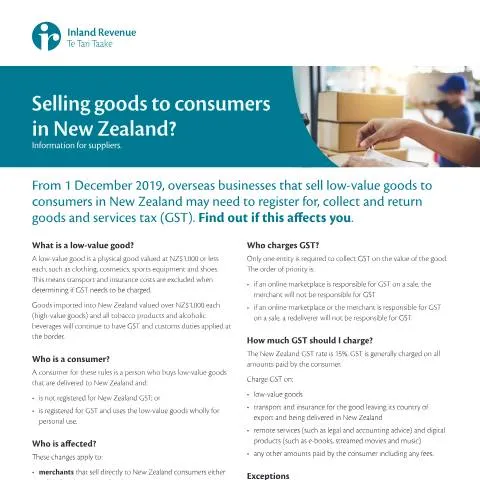
Navigating the AD264 Form: A Key Component for GST Compliance
The AD264 form, officially titled Selling goods to New Zealand consumers - Supplier information, plays a crucial role in ensuring compliance with New Zealand's Goods and Services Tax (GST) regulations. For businesses engaged in selling low-value goods to consumers in New Zealand, understanding this form is essential. This guide delves into the intricacies of AD264, detailing who needs to fill it out, how to correctly complete it, and what steps to take post-submission.
Who Needs to Fill Out the AD264 Form?
The AD264 form is specifically aimed at various suppliers selling low-value goods to New Zealand consumers, including:
- Merchants: Those selling directly to consumers, either online, by phone, or through mail order.
- Online Marketplaces: Platforms that facilitate sales between merchants and consumers.
- Redeliverers: Businesses that provide mailbox redelivery and personal shopping services from overseas.
It is important to note that the form is particularly relevant for those whose total supplies may exceed NZ$60,000 in a 12-month period. This threshold dictates the necessity of GST registration and compliance responsibilities in New Zealand.
Understanding Low-Value Goods: A Critical Definition
To effectively use the AD264 form, it's crucial to grasp what constitutes a low-value good. Specifically, low-value goods are defined as physical items valued at NZ$1,000 or less each, excluding transport and insurance costs. Common examples include:
- Clothing
- Cosmetics
- Sports Equipment
- Shoes
Any goods exceeding this threshold are categorized as high-value goods, which are subject to different GST regulations. For overseas suppliers, knowing the distinction between low-value and high-value goods is essential for correctly assessing GST obligations.
Decoding the AD264 Form: Sections and Completion Tips
When filling out the AD264 form, it's structured to capture critical information that ensures compliance with GST regulations. Below is a breakdown of key sections and tips for completing each:
Supplier Information
This section requires detailed information about the supplier, including:
- Business Name: Ensure this matches the registered name you operate under.
- Contact Details: Provide accurate phone numbers and email addresses for any follow-up communication.
GST Registration Details
Suppliers must indicate whether they are registered for GST in New Zealand. If registered, include your GST number. If not registered, you will need to assess whether your sales are likely to exceed the NZ$60,000 threshold to determine if you should register.
Sales Information
In this section, detail the nature of goods being sold, expected sales volume, and methods of sale (e.g., online sales, phone orders). Be thorough, as this impacts GST obligations and potential registration requirements.
Post-Submission: What Happens Next?
After submitting the AD264 form, there are several important follow-up steps:
- Review Confirmation: Expect a confirmation of receipt from the Inland Revenue Department (IRD). Keep this for your records.
- Compliance Monitoring: The IRD may conduct audits to ensure compliance with the information provided. Be prepared with your business records.
- Adjustments: If your sales volume changes, you may need to revisit your GST registration status.
Common Pitfalls: Mistakes to Avoid When Completing the AD264
Filling out the AD264 form can be straightforward, but there are common mistakes that can lead to delays or compliance issues:
- Inaccurate Sales Estimates: Providing incorrect projections can result in your business falling outside of compliance thresholds.
- Missing Contact Information: Ensure all contact details are complete and accurate for effective communication with the IRD.
- Neglecting to Update Information: If your business status changes, such as crossing the NZ$60,000 threshold, update your GST registration and inform the IRD.
Strategic Considerations: The Importance of Timely Compliance
Timeliness is vital when it comes to GST compliance. The fiscal year in New Zealand runs from 1 July to 30 June, and businesses must align their GST obligations accordingly. Here are key timelines to keep in mind:
| Action | Deadline |
|---|---|
| GST Registration Application | Within 21 days of exceeding NZ$60,000 in sales |
| Quarterly GST Returns | 1 month after the end of each quarter |
| Annual GST Compliance Check | Within 3 months after the fiscal year end |
Potential Consequences of Non-Compliance
Failure to comply with GST regulations can lead to serious ramifications for suppliers. Non-compliance can trigger:
- Financial Penalties: The IRD may impose penalties for late registration or failure to file returns.
- Audits: Businesses may face increased scrutiny and audits from the IRD, which can be time-consuming and costly.
- Reputational Damage: Non-compliance can harm relationships with consumers and other business partners.
It is imperative for suppliers to stay informed about their obligations and act promptly to avoid penalties.
Recourse in Case of Errors or Refusals
If errors are detected in your AD264 form or if there is a refusal to accept your submission, here’s a structured approach to address these issues:
- Identify the Issue: Carefully review any communications from the IRD to understand the nature of the issue.
- Correct and Resubmit: Make necessary corrections and resubmit the form as soon as possible.
- Seek Advice: Consider consulting with a tax professional for assistance, especially if the issue is complex.
By taking proactive steps and ensuring accurate submissions, suppliers can navigate GST compliance smoothly.
Understanding New Zealand's Consumer Protection Regulations
When selling goods to New Zealand consumers, it is crucial to understand the consumer protection regulations in place. The Consumer Guarantees Act 1993 (CGA) offers significant protections for consumers and sets out the rights they have when purchasing goods and services. Under this act, all goods sold must meet certain guarantees, such as being of acceptable quality, fit for purpose, and matching any description provided by the supplier.
As a supplier, you must ensure that the products you sell meet these requirements. If consumers receive goods that are faulty, not as described, or do not meet reasonable expectations, they are entitled to remedies, including repair, replacement, or a refund. This is essential for maintaining consumer trust and can affect your business's reputation. Suppliers should also be aware of the Fair Trading Act 1986, which prohibits misleading conduct and false representations in advertising and marketing. Familiarizing yourself with these acts and adhering to their principles is vital to operating successfully in New Zealand's market.
GST Registration and Compliance for Foreign Suppliers
If you are a foreign supplier selling goods to New Zealand consumers, understanding your obligations regarding the Goods and Services Tax (GST) is essential. As of October 2022, overseas businesses making sales of low-value goods (under NZD 1,000) to New Zealand consumers are required to register for GST if they exceed the NZD 60,000 threshold in sales.
This means that once your sales to New Zealand consumers surpass this amount, you must register with the Inland Revenue Department (IRD) and charge GST on your sales. You must also provide GST-compliant invoices and maintain proper records of your transactions.
Additionally, you will need to file regular GST returns with the IRD, detailing the GST charged on your sales and any GST you may be able to claim back for business expenses. It’s important to note that failing to comply with GST obligations can result in penalties and interest charges, making it imperative to stay informed and compliant. You may want to consult with a local tax professional who can help ensure that your business meets all regulatory requirements and maximises its compliance with New Zealand tax laws.
Shipping and Customs Considerations for Selling Goods in New Zealand
Another critical aspect of selling goods to New Zealand consumers is understanding the shipping and customs regulations. All goods entering New Zealand are subject to customs duties and taxes. Ensure that you are familiar with the Import and Export Regulations, as well as the specific customs tariffs applicable to your products.
When shipping goods, you will need to provide accurate documentation, including commercial invoices, packing lists, and any necessary permits or certificates. Depending on the type of goods, there may be import restrictions or requirements that you must comply with. For instance, certain products might need to meet specific safety or quality standards and may require clearance from regulatory bodies.
Furthermore, consider the logistics of shipping. Partnering with a reputable shipping provider can help streamline the process, ensuring that deliveries are timely and compliant with local laws. Remember that consumers expect fast and reliable delivery, so factor shipping times into your overall business strategy. Offering clear information about shipping costs and delivery times on your website can improve customer satisfaction and contribute to a positive shopping experience.