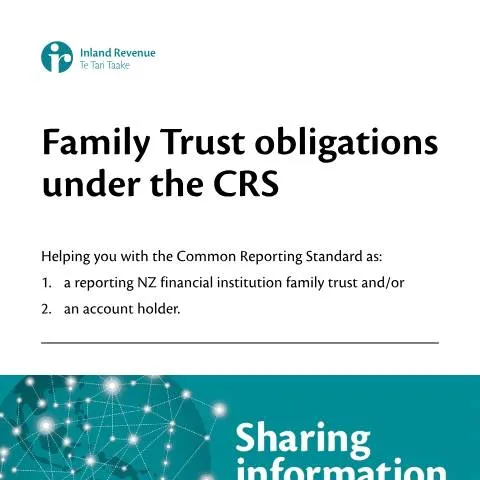
Navigating the Complexities of Family Trust Obligations under the CRS
Navigating the intricacies of tax obligations can often feel daunting, especially when it pertains to family trusts and the Common Reporting Standard (CRS). For families who have established trusts, understanding the obligations can make a significant difference in compliance and tax reporting. The IR1053 document outlines the obligations that family trusts must adhere to under the CRS, primarily aimed at combating global tax evasion. In this article, we will delve deep into the roles and responsibilities of family trusts in relation to the CRS, the reporting obligations, and the process of fulfilling these commitments.
Who Needs to Submit the IR1053 Form?
The IR1053 form is crucial for both Reporting New Zealand Financial Institutions (NZFIs) and account holders, specifically relating to family trusts. Understanding who is required to submit this form is pivotal:
- Reporting NZ Financial Institution: This category includes family trusts that derive their income primarily from investing in financial assets and meet other criteria to be classified as such.
- Account Holders: Family trusts can also be considered account holders based on specific criteria that dictate their obligations under the CRS.
Recognizing whether your family trust fits either category is the first step in ensuring compliance.
Understanding Reporting Obligations: A Two-Tier Approach
The obligations of family trusts can essentially be categorized into two main areas: being a Reporting NZFI and being an account holder. Each of these categories has its own set of requirements that must be adhered to, which we will explore in detail.
1. Reporting NZ Financial Institutions (NZFIs)
If your family trust falls under the category of Reporting NZFI, it has specific obligations that include:
- Identification: The family trust must identify accounts held by foreign tax residents.
- Reporting: The trust is required to report these accounts to Inland Revenue.
To determine if a family trust is a Reporting NZFI, consider the following:
- Does the family trust derive more than 50% of its income from financial assets?
- Is the trust managed by an external financial institution?
2. Account Holder Obligations
If the family trust qualifies as an account holder, its obligations include:
- Providing necessary documentation to the financial institution regarding the trust's structure and beneficiaries.
- Ensuring compliance with due diligence procedures required by the CRS.
Detailed Steps for Completing the IR1053: Key Considerations
Completing the IR1053 form involves several critical steps. Each section of the form must be filled out accurately to avoid penalties and ensure compliance with IRD regulations.
Collecting Information
Information gathering is the cornerstone of accurately completing the IR1053 form. Key elements to collect include:
- Details of trust beneficiaries.
- Income sources and types of financial assets held by the trust.
- Identification of foreign tax residents associated with the trust.
Filling Out the Form
When it comes to completing the form, attention to detail is paramount. Pay special attention to:
- Beneficiary Class: Incorrectly identifying the class of beneficiaries can lead to significant reporting errors.
- Income Sources: Ensure that all sources of income are accurately reported to avoid discrepancies.
- Due Diligence Procedures: Familiarize yourself with the due diligence requirements as outlined by the IRD and ensure compliance.
Understanding Consequences: The Risks of Non-compliance
Failure to adhere to the reporting requirements can lead to severe consequences for family trusts. Not only can financial penalties be imposed, but trusts may also face reputational risks and increased scrutiny from tax authorities.
- Financial Penalties: Trusts failing to report correctly may incur fines.
- Audit Risks: Non-compliance can trigger audits from both Inland Revenue and foreign tax authorities.
- Legal Repercussions: Serious cases of tax evasion can lead to legal action.
What to Do in Case of Issues: Addressing Errors and Missing Information
If you find yourself facing issues such as missing information or errors on your IR1053 form, prompt action is necessary. Here’s how to handle these situations:
Dealing with Errors
In the event of an error on your form:
- Review the specific section where the error occurred and verify the correct information.
- Submit a corrected IR1053 form promptly, noting the amendments made.
Handling Missing Information
For instances where information is missing:
- Contact the relevant beneficiaries or financial institutions to gather the required data.
- Document all efforts made to collect information in case of future audits.
Profiling the Stakeholders: Who is Affected by the IR1053?
Various stakeholders may find themselves affected by the obligations set forth in the IR1053 form. Understanding their profiles can aid in compliance efforts.
Trustees and Trust Managers
Trustees are primarily responsible for ensuring that the family trust complies with CRS obligations. They must:
- Keep meticulous records of all trust activities.
- Understand the tax implications for the beneficiaries.
Beneficiaries of Family Trusts
Beneficiaries must be aware of their information disclosure obligations under the CRS, especially if they are foreign tax residents. They should:
- Provide accurate information to trustees for compliance.
- Be informed about the potential tax implications of their status.
Financial Institutions
Financial institutions managing family trusts carry their own responsibilities. They must:
- Ensure that they maintain compliance with CRS reporting requirements.
- Assist trustees in gathering necessary information for submissions.
Tracking Your Submission: How to Monitor Progress Post-filing
After filing the IR1053 form, it's essential to monitor its progress. Here are steps to ensure that your submission is being processed correctly:
Follow-Up Procedures
To facilitate effective follow-up:
- Keep records of the submission date and any correspondence with IRD.
- Contact the IRD through their official channels if you have not received confirmation within a reasonable timeframe.
Understanding Processing Times
Processing times can vary; however, staying proactive about your submission will help mitigate any potential issues that may arise due to delay.
Conclusion: Preparing for the Future of Family Trust Compliance
As the landscape of international tax compliance continues to evolve, family trusts must remain vigilant in ensuring adherence to the obligations outlined in the IR1053 form. By understanding the complexities involved, from identifying whether your family trust is a Reporting NZFI to accurately completing the required form, you can navigate future tax seasons with confidence.
Understanding the Common Reporting Standard (CRS)
The Common Reporting Standard (CRS) is a global standard for the automatic exchange of financial account information between tax authorities. Established by the Organisation for Economic Co-operation and Development (OECD), the CRS was designed to combat tax evasion and improve tax compliance worldwide. For New Zealand, complying with the CRS means that local financial institutions must report certain financial information about foreign account holders to the Inland Revenue Department (IRD). This includes family trusts that may have foreign beneficiaries or accounts.
Under the CRS framework, family trusts in New Zealand are classified as financial institutions. Therefore, trustees need to be aware of their obligations regarding reporting. These obligations include due diligence procedures to identify account holders and their residency status. As a trustee, you must ensure that you are collecting the necessary information and performing the required checks to comply with the CRS.
Failure to comply with CRS regulations can result in significant penalties, including fines and other enforcement actions. Therefore, it is vital for those managing family trusts to stay informed about their responsibilities under the CRS and ensure they are meeting all compliance requirements.
Key Due Diligence Obligations for Trustees
Trustees of family trusts have several key due diligence obligations under the CRS framework. Understanding and fulfilling these duties is essential to maintain compliance and avoid potential penalties.
Identification of Reportable Accounts: Trustees must identify which accounts fall under the CRS reporting obligations. This includes determining if any beneficiaries or account holders are tax residents of countries that participate in the CRS.
Collection of Required Information: Once a potential reportable account is identified, trustees need to collect specific information from account holders. This often includes the account holder's name, address, country of tax residence, and tax identification number (TIN). The data must be collected upon account opening or at the time of any material change in the account.
Review and Reporting Procedures: After collecting the required information, trustees must undertake a review process to confirm the accuracy and completeness of the data. If an account is deemed reportable, the trustee must report the specified information to the IRD. This generally occurs annually, aligning with the IRD's reporting timelines.
Maintaining Records: Trustees are advised to maintain comprehensive records of their due diligence efforts and any communications with account holders regarding CRS requirements. Keeping these records is crucial for demonstrating compliance in the event of an audit.
By fulfilling these due diligence obligations, trustees can not only comply with legal requirements but also promote transparency and integrity within the management of family trusts.
Implications for Beneficiaries of Family Trusts
It’s not just the trustees who are impacted by the obligations under the CRS; the beneficiaries of family trusts also need to be aware of how these regulations affect them. Here are several implications that beneficiaries should consider:
Increased Scrutiny: Beneficiaries of family trusts may be subject to increased scrutiny from tax authorities in their country of tax residency. This could mean that they need to provide additional documentation to prove their tax status or clarify the nature of their trust income.
Potential Tax Liabilities: Depending on the structure of the family trust and the residency of the beneficiaries, there may be tax implications associated with distributions from the trust. Beneficiaries should consult with tax professionals in their jurisdictions to understand how income received from a New Zealand trust is treated for tax purposes.
Disclosure Requirements: In some jurisdictions, beneficiaries may be required to disclose their interests in foreign trusts on their tax returns. This additional layer of complexity necessitates that beneficiaries are well-informed about their tax obligations regarding the family trust.
Impact on Estate Planning: Understanding CRS obligations may lead beneficiaries to reconsider their estate planning strategies. As international tax compliance becomes increasingly important, beneficiaries may need to explore how their interests in family trusts fit into their broader financial and estate plans.
By staying informed about their obligations under the CRS, beneficiaries can better navigate their financial landscapes and make informed decisions regarding their trusts and tax compliance.
The Future of Family Trusts and CRS Compliance
As international tax regulations continue to evolve, the landscape for family trusts under the CRS framework will likely change as well. Here are potential future developments trustees and beneficiaries should keep an eye on:
Expansion of Reporting Requirements: Countries may continue to expand their participation in the CRS initiative, resulting in increased reporting obligations for trustees. This could mean more detailed information is required about beneficiaries and their financial interests, creating additional burdens for trustees.
Technological Solutions for Compliance: With advancements in technology, there may be emerging solutions that facilitate CRS compliance for family trusts. Digital platforms could enable more efficient data collection, reporting, and record-keeping, making compliance less cumbersome for trustees.
Ongoing Education and Resources: The New Zealand government and various advisory bodies are likely to continue providing resources and training on CRS compliance. Trustees should take advantage of these offerings to stay updated on best practices and regulatory changes.
Global Cooperation on Tax Matters: As the international community increasingly collaborates on tax compliance, trustees must be proactive in adapting to new regulations and understanding their implications. This global approach may result in harmonized standards that impact how family trusts operate across borders.
In conclusion, the obligations of family trusts under the CRS require proactive engagement from both trustees and beneficiaries. As the tax landscape evolves, staying informed and compliant will be essential to navigate the complexities of international financial regulations effectively.