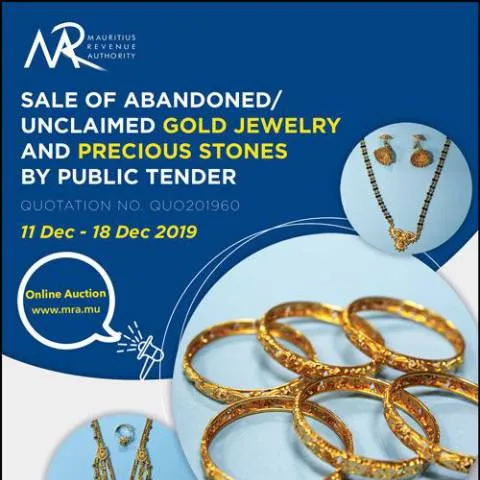
Navigating the Official Form for Abandoned Jewelry Sales
Imagine coming across a forgotten family heirloom, a piece of gold jewelry or a precious stone that has been unclaimed. In Mauritius, there exists a structured approach to finding new homes for such treasures through public tender. The Sale of Abandoned/Unclaimed Gold Jewelry and Precious Stones by Public Tender form, referenced as eAuctionAdvert, serves as the gateway for citizens who wish to either bid on these items or for authorities to manage the tender process. Understanding the nuances of this document is essential for both bidders and administrators alike.
The Significance of the eAuctionAdvert Document
At its core, the eAuctionAdvert is not just a form; it is a crucial instrument in the legal framework governing public tenders in Mauritius. As stipulated by legislative guidelines, this form facilitates the sale of unclaimed assets, thereby ensuring that no valuable items go to waste. This approach not only enables the government to recoup potential losses from abandoned property but also allows citizens to acquire unique pieces that they might not encounter elsewhere.
Who Submits the Form?
While the form is primarily utilized by the Mauritius Revenue Authority (MRA) to announce tenders, individuals interested in bidding must also familiarize themselves with its contents. A wide array of participants can engage in this process, including:
- Private individuals looking to enrich their jewelry collections.
- Jewelry dealers and resellers who wish to acquire items for resale.
- Investors aiming to purchase precious stones as a financial asset.
Understanding who submits the form is integral for both the authorities and potential bidders. While the MRA initiates the tender, bidders must respond appropriately to ensure compliance with the established procedures.
Diving Deep into the Form: Section by Section
Completing the eAuctionAdvert form requires meticulous attention to detail, as each section holds specific requirements that can impact the overall submission process. Below, we delve into the key sections of the form:
Identification Details
The first section typically requires the bidder's identification details, including:
- Full name
- National Identification Number (NID)
- Contact information
It is crucial to ensure that the NID is accurate, as discrepancies can lead to disqualification from the bidding process.
Item Descriptions
In this section, the form outlines the items up for tender, including descriptions, estimated values, and any pertinent details regarding their condition. Failure to provide comprehensive descriptions can lead to misunderstandings during the bidding process.
Bid Amount
Bidders must clearly indicate their proposed bid for each item. This section often includes:
- Minimum bid requirements
- Incremental bid amounts
Potential bidders should familiarize themselves with market rates to make informed bids, thus avoiding underbidding or overbidding.
Declaration of Compliance
A significant aspect of the form is the declaration, where bidders affirm their understanding of the terms and conditions governing the tender process. This section includes:
- Compliance with local laws
- Understanding of auction rules
Inaccuracies or omissions in this declaration can have serious repercussions, potentially nullifying the bid.
Submission Channels: Online vs. Physical
Bidders have various avenues to submit the form, each with its unique features. Understanding these options can greatly influence the tendering experience:
| Submission Method | Advantages | Disadvantages |
|---|---|---|
| Online Submission |
|
|
| Paper Submission |
|
|
The Practicalities of Bidding: Rights and Responsibilities
Engaging in public tender comes with a set of rights and responsibilities that bidders must grasp fully. Understanding these elements can significantly impact the bidding experience:
Rights of Bidders
- Access to all relevant information regarding tendered items.
- The right to submit bids without discrimination.
- Transparency in the bidding process, including access to results.
Responsibilities of Bidders
- Ensuring all information provided is truthful and accurate.
- Adhering to submission deadlines.
- Following the established bidding guidelines meticulously.
Neglecting these responsibilities can lead to disqualification, underscoring the importance of understanding both rights and obligations.
How the Administration Processes Bids
After submissions are collected, the MRA undertakes a thorough review of all bids. This process is pivotal in ensuring fairness and transparency in the auction. Here’s how it unfolds:
Review Criteria
The administration evaluates bids based on a set of criteria that include:
- Completeness of submissions.
- Compliance with legal requirements.
- Competitive bidding amounts.
Non-compliance can lead to automatic disqualification, emphasizing the importance of meeting all criteria outlined in the form.
Notification of Results
Once the review process is complete, bidders will receive formal notifications. This can take several forms:
- Email notifications for online submissions.
- Postal notifications for paper submissions.
Staying vigilant for these communications is crucial, as they inform bidders of their success or failure in the tender.
Tracking Your Submission: How to Follow Up
Understanding how to track your submission can significantly ease the anxiety that comes with participating in public tenders. Here are some practical steps:
Using Online Portals
Bidders can leverage online portals provided by the MRA to track their submissions. Key features include:
- Real-time updates on bid statuses.
- Access to auction timelines and results.
Contacting the MRA
For those who prefer a more direct approach, contacting the MRA via phone or in person can provide clarity. Prepare to provide:
- Your identification details.
- A copy of the submitted form if available.
This direct communication can offer a more personalized update regarding your bid status.
Special Cases and Exceptions in Bidding
While the public tender process is designed to be inclusive, certain scenarios warrant special consideration. Understanding these exceptions can prevent confusion:
Non-Residents and Foreign Bidders
In some cases, foreign bidders may wish to participate. Key considerations include:
Fill in your form directly online
No printing: type your details into the boxes of the official form, tick, then download the PDF ready to send.
- 1Type into the form boxes
- 2Tick in one click
- 3Save and download the PDF
- Verification of identity and financial eligibility.
- Potential legal implications surrounding ownership and resale.
Minors and Guardianship Issues
For individuals under the legal age, submissions must be handled with the involvement of a guardian. Considerations include:
- Legal documentation confirming guardianship.
- Approval from relevant authorities.
Final Thoughts on the Tender Process
Engaging in the auction of abandoned and unclaimed gold jewelry and precious stones is a unique opportunity for both collectors and investors alike. By understanding the intricacies of the eAuctionAdvert form and the surrounding processes, potential bidders can navigate this public tender arena effectively. The key lies in thorough preparation and adherence to the guidelines set forth by the Mauritius Revenue Authority. Taking these steps can lead to successful acquisitions and a rewarding experience in the world of precious commodities.
Understanding the Legal Framework for Sale of Abandoned Property
The sale of abandoned or unclaimed gold jewelry and precious stones in Mauritius is governed by a specific legal framework designed to ensure transparency and fairness in the process. The primary legal basis for such sales arises from the Disposal of Unclaimed Property Act, which outlines the procedures and responsibilities of relevant authorities, including the Police and the Ministry of Finance. Under this legislation, items that have been unclaimed for a certain duration, typically amounting to several years, may be put up for public tender.
It is essential for potential bidders to understand that the selling authority must ensure that all due diligence is conducted to ascertain the ownership status of the items. This includes attempting to contact the last known owners or publishing public notices in the local media to inform potential claimants. The process reflects a balance between the rights of property owners and the need for public revenue generation through tendering. Each public tender for abandoned gold jewelry and precious stones will follow strict procedures, including a pre-tender notice period, a set timeline for bids, and a clear outline of the criteria for successful bids.
Furthermore, potential bidders should be aware that the Ministry of Finance has established guidelines that dictate the assessment of the items' value, which involves certified appraisers. This ensures that the items are sold at fair market value, promoting both buyer confidence and the integrity of the public tender process. It is advisable for interested parties to familiarize themselves with the specific auction terms and conditions listed on the government portal, as variations may occur depending on the nature and value of the items being tendered.
Participating in the Public Tender Process
Participating in the public tender process for the purchase of abandoned gold jewelry and precious stones requires careful preparation and adherence to specific guidelines. Interested bidders are encouraged to regularly check announcements on the official government portals such as govmu.org, where notices regarding upcoming tenders are published. Each notice will provide essential details such as the date of the tender opening, the location, and the requirements for submitting a bid.
To participate successfully, bidders must complete the necessary forms, typically designated as PSC Form 7, which applies to public tenders. This form usually requires personal identification details, proof of financial capability, and an acknowledgment of the tender terms and conditions. Bidders may also need to provide a deposit to demonstrate their seriousness in the bidding process, which is usually a percentage of the total estimated value of the items being sold.
Moreover, it is essential to note that the bidding process is often conducted in a transparent manner, with bids being opened in a public forum. This not only enhances accountability but also allows bidders to gauge the competition. Successful bidders will be notified formally, and they must be prepared to complete the transaction within the specified timeframe, ensuring that all payments and necessary paperwork are finalized promptly. Furthermore, bidders should be aware of any applicable taxes or fees associated with the purchase, as these can impact the total cost incurred.
Post-Tender Procedures and Ownership Transfer
Once a public tender for abandoned gold jewelry and precious stones has concluded, successful bidders must navigate several post-tender procedures to secure ownership. The first step involves the formal acceptance of the tender bid, which will be communicated through an official letter from the relevant authority. This acceptance is contingent upon the bidder meeting all pre-established conditions, including the timely remittance of payment and the completion of necessary documentation.
Notably, bidders should prepare to present additional identification and possibly undergo a verification process to ensure compliance with all legal requirements. The ownership transfer process typically requires the submission of a transfer application, which may involve specific forms issued by the Ministry of Finance or the corresponding agency overseeing the tender. Once all documentation is approved, the new owner will receive a certificate of ownership, which serves as legal proof of possession, crucial for any future transactions or dealings with the acquired items.
Additionally, it is vital for new owners to consider the long-term implications of their acquisitions. This includes assessing the items for insurance purposes and understanding the potential for future resale or appraisal. Engaging with certified gemologists or jewelers can provide valuable insights into the market value and care of the acquired gold jewelry and precious stones, ensuring that owners make informed decisions moving forward.