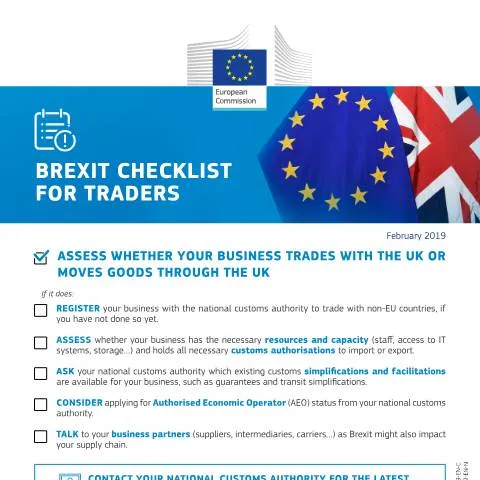
Understanding the Brexit Checklist for Businesses in Malta
The transition period following the UK's exit from the European Union has brought significant changes for businesses operating in Malta. As an entrepreneur, you may find yourself navigating a complex landscape of compliance and adaptation. The Brexit for Business - The Transition Period checklist (reference code: brexit-checklist-for-business6117e443-a155-4508-98cd-4eabc0b) is an essential tool designed to guide you through this transition.
Navigating the Transition: Key Triggers for Submission
Understanding when and why to initiate the use of the Brexit Checklist is crucial. The primary triggers typically include:
- Changes in Trade Regulations: If your business engages in trade with the UK, changes in tariffs or regulations may require immediate action.
- Employment Considerations: If you employ staff from the UK or have business operations there, you must assess the new immigration rules that apply.
- Data Protection Compliance: Any changes in data transfer regulations must be accounted for, especially with GDPR implications.
Being proactive in your approach allows for adequate planning, ensuring compliance and minimizing disruptions to your business operations.
Decoding the Checklist: Section-by-Section Analysis
The checklist comprises various sections, each addressing critical aspects of business operations post-Brexit. It's essential to approach this document methodically, as each section has its nuances.
1. Trade Arrangements
This section outlines what businesses need to consider regarding the supply of goods and services. Common pitfalls include:
- Import/Export Licenses: Verify the need for new licenses and adjust your supply chain accordingly.
- Customs Declarations: Ensure that you understand the new customs procedures impacting your operations.
2. Employment and Residency Status
For businesses with UK nationals or operations in the UK, this section emphasizes the importance of understanding the residency status of your employees. Key considerations include:
- Right to Work: Confirm whether your UK employees require additional documentation to work in Malta.
- Employee Rights: Familiarize yourself with changes to employee rights and any required notifications to relevant authorities.
Filing and Submission: How and Where to Lodge Your Checklist
Once you have completed the checklist, the next step is to submit it properly. Using the central e-ID system is mandatory for most services in Malta, including tax-related submissions. Here’s how to proceed:
- Access the Form: Utilize your e-ID to log into the servizz.gov.mt portal.
- Fill Out the Checklist: Ensure that all sections are completed accurately, paying special attention to details that relate to your business operations.
- Submit the Document: Once reviewed, submit the checklist electronically via the portal.
After submission, you will receive a confirmation, which you should retain as proof of your compliance efforts.
What Happens After Submission? Understanding the Follow-Up Process
Submitting the checklist does not mark the end of your obligations. Instead, it initiates a follow-up process. Anticipate the following:
- Confirmation from Income Tax Authority: Expect to receive a confirmation of your submission about compliance evaluation.
- Further Documentation Requests: Be prepared for additional requests for information or documentation to clarify your business operations.
- Compliance Check: The authorities may conduct a compliance check to ensure adherence to the new regulations.
Maintaining a proactive stance in responding to any follow-up requests is essential for sustaining your business's operational integrity.
Handling Refusals and Missing Information: Your Rights and Obligations
In instances where your checklist submission is rejected or information is deemed insufficient, it’s imperative to understand your rights and potential recourse. Here’s how to navigate such situations effectively:
- Right to Appeal: If your submission is rejected, you have the right to appeal the decision. Document all communications with the relevant authorities.
- Providing Missing Information: If requested documentation is missing, promptly gather the necessary information and resubmit as instructed.
- Seek Assistance: It may be beneficial to engage with professional advisors or legal counsel to navigate complex cases.
By addressing issues quickly, you can mitigate potential penalties and further complications in your business operations.
Special Circumstances: Navigating Unique Business Needs
Not all businesses are alike; some may have unique challenges or situations that require special attention. It’s crucial to consider:
- Foreign Entities: If your business is a foreign entity operating in Malta, assess how Brexit impacts your local obligations.
- Underage Employees: For businesses employing minors, ensure compliance with both local labor laws and any new regulations stemming from Brexit.
- Urgent Needs: If your business faces time-sensitive issues related to Brexit, prioritize addressing these aspects in your checklist submission.
Timeframes: Critical Dates and Next Steps
Understanding the timeline for compliance with the Brexit changes is paramount. Typically, businesses should be aware of:
- Initial Submission Period: Be aware of the deadlines set by the Income Tax Authority for submitting the checklist.
- Ongoing Compliance Reviews: Authorities may schedule periodic reviews, requiring you to remain compliant not just at the time of submission but continuously.
- Document Retention: Keep copies of all submitted documents and any communications for a minimum period as specified by the authorities.
Concluding Insights: The Broader Framework of Compliance
In a post-Brexit landscape, navigating the compliance requirements is not just about submitting a single checklist. It involves understanding the broader implications for your business's operations. Staying informed about changes in regulations, maintaining open lines of communication with relevant authorities, and consulting with experts can help you adapt to these changes effectively.
For comprehensive information tailored to your specific situation, reach out to the Income Tax Authority or consult with a legal expert specializing in Maltese business law. Understanding the nuances of your obligations will safeguard your business interests and ensure continued compliance in this evolving regulatory environment.
Understanding the Implications of Brexit on Maltese Business Regulations
The transition period following Brexit has ushered in significant changes to the regulatory landscape for businesses operating in Malta. As the UK officially exited the European Union, Maltese businesses must navigate a new framework that affects trade, compliance, and operational protocols. Key areas impacted include import and export regulations, product standards, and labor mobility.
Businesses should familiarize themselves with the updated rules concerning tariffs and customs duties applicable to goods imported from the UK. The Customs Department of Malta has issued guidelines delineating the necessary procedures, which may include new customs declarations and additional documentation for goods entering the EU from the UK. Companies should prepare to adjust their logistics and supply chains accordingly to mitigate any disruptions.
Furthermore, businesses must review compliance with EU product standards. This includes certifications that may now require re-evaluation for products sourced from the UK. Engaging with local authorities, such as the Malta Competition and Consumer Affairs Authority (MCCAA), can provide clarity on any new compliance requirements impacting products and services offered in the Maltese market.
Labor mobility is another crucial aspect that businesses must consider. The end of free movement for UK nationals may affect recruitment strategies, especially for sectors reliant on skilled labor. Employers should monitor updates from the Employment Agency in Malta and ensure compliance with any new visa requirements for UK employees, assessing the need for sponsorship or other permits as dictated by the new regulatory framework.
Financial Assistance and Support for Businesses Affected by Brexit
In light of the challenges posed by Brexit, the Maltese government has implemented various financial assistance programs aimed at supporting businesses affected by this transition. The Malta Enterprise is at the forefront of these initiatives, offering grants, loans, and advisory services to help businesses adapt to the evolving economic landscape.
One notable program is the Business Continuity Scheme, which provides funding to assist companies in covering operational costs as they adjust to the post-Brexit environment. This scheme can be particularly beneficial for SMEs that may struggle with cash flow disruptions resulting from changes in trade practices.
Additionally, the government has established training programs focused on resilience and adaptability to equip business owners and employees with the necessary skills to thrive in a post-Brexit world. Various workshops and seminars are organized, often in collaboration with local business associations, to address specific areas of concern, including compliance with new regulations and market diversification strategies.
Businesses are encouraged to engage with local chambers of commerce and industry representatives to stay informed about available assistance and to share best practices in navigating the challenges posed by Brexit. Collaborative efforts among businesses can lead to innovative solutions and a stronger collective voice in advocating for favorable policies.
Long-Term Strategic Planning for Businesses in a Post-Brexit Malta
As Maltese businesses adjust to the realities of a post-Brexit market, long-term strategic planning becomes imperative. Companies must not only react to immediate challenges but also position themselves for future growth amidst ongoing regulatory and economic changes. This strategic planning should encompass various aspects, including market analysis, supply chain management, and diversification of operations.
Market analysis involves a thorough understanding of shifts in consumer behavior and demand patterns as a result of Brexit. Businesses should invest in research to identify potential new markets within the EU and beyond, capitalizing on opportunities that arise from changing trade relationships. Engaging with market analysts and business intelligence firms can provide valuable insights that inform strategic decisions.
Supply chain management will also require a reassessment of sourcing strategies. Businesses may need to explore alternative suppliers within the EU to avoid potential tariffs and delays associated with imports from the UK. Cultivating relationships with local producers and manufacturers can enhance supply chain resilience and offer competitive advantages.
Diversification of operations is another critical element. Companies might consider expanding their product lines or services to mitigate risks associated with reliance on a single market or supplier. This diversification can also open up new revenue streams and bolster overall business sustainability.
In conclusion, while Brexit presents several challenges for businesses in Malta, it also offers opportunities for growth and innovation. By strategically planning for the future, Maltese companies can not only survive but thrive in this new economic landscape.