Navigating the Expression of Interest for the Disabled Drivers Medical Board of Appeal
Within the intricate landscape of medical assessments for disabled drivers in Ireland, one critical document stands out: the Expression of Interest - Appointment to the Disabled Drivers Medical Board of Appeal. This document not only signals the opportunity for qualified medical practitioners to contribute to the welfare of disabled drivers but also encapsulates the legal and operational framework supporting Ireland's commitment to inclusivity. Understanding this process is essential for prospective applicants who seek to engage with the Disabled Drivers Medical Board of Appeal (the Board) and for those interested in the broader context of the Disabled Drivers and Disabled Passengers Scheme (DDS).
Historical Context and Regulation of the Board
The inception of the Disabled Drivers Medical Board of Appeal can be traced back to the enactment of Section 92 of the Finance Act 1989. Established in the same year, the board functions as an independent body tasked with adjudicating appeals from applicants denied a Primary Medical Certificate by the Health Service Executive (HSE). The legal foundation for the Board is further refined by subsequent statutory instruments, including S.I. 340 of 1989 and S.I. 353 of 1994, which elaborate on membership qualifications and functions.
Regulatory changes over the years, such as S.I. 469 of 2004 and amendments made in S.I. 566 of 2005, have introduced provisions for reserve members and the appointment of an Acting Chair. These adjustments reflect an ongoing effort to enhance the operational efficacy of the Board. The Minister for Health appoints members based on qualifications and experience, reaffirming Ireland's commitment to ensuring that individuals with disabilities access necessary services and support.
The Role of the Minister for Health and Finance
The dual role of the Minister for Health and the Minister for Finance is pivotal in the appointment process of Board members. The former nominates members while the latter makes the official appointments. This collaboration ensures that the Board remains well-staffed and operationally robust, capable of addressing the needs of disabled drivers across Ireland.
Understanding the Appeal Process
The Board's primary function revolves around the appeals process for the Disabled Drivers and Disabled Passengers Scheme. When an applicant is denied a Primary Medical Certificate, they have the right to appeal within 28 days of notification. The process is designed to be fair and transparent, providing an opportunity for applicants to present their case before a panel of three medical professionals.
- Initial Decision: An applicant receives a notification of their denial from the HSE.
- Filing an Appeal: The applicant must lodge their appeal with the Board, including necessary documentation, within the specified timeframe.
- Appeal Hearing: During the hearing, a detailed history is taken, and the criteria for the DDS are explained. The applicant may be examined, and an assessment is made based on their medical condition.
- Outcome: The Board will issue a decision post-review, which can either uphold the initial decision or grant the requested certificate.
Demystifying the Board's Operations
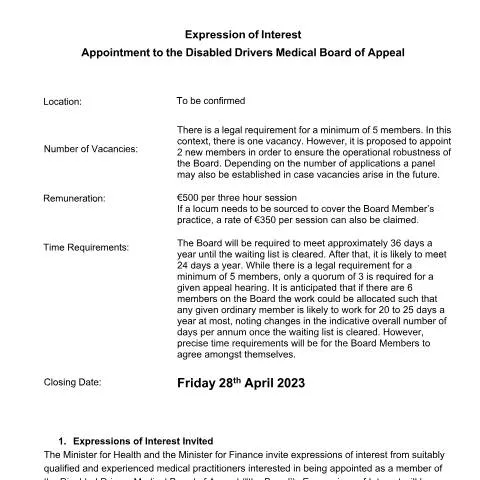
Understanding the Board's operations can alleviate anxiety for potential appellants. The sessions are structured to ensure thorough examinations while maintaining a respectful environment. The Board meets approximately 36 days a year, a figure expected to decrease to 24 days once the waiting list for appeals is addressed. This structured approach helps streamline the decision-making process and reduces the backlog of appeals.
| Phase of the Process | Details |
|---|---|
| Initial Appeal | Filing within 28 days of HSE decision |
| Hearing | Conducted by a panel of three medical practitioners |
| Decision | Issued following the hearing; can be appealed |
Key Documentation and Requirements
To facilitate a smooth application process for the Board, applicants must prepare specific documentation. The requirements hinge upon the applicant's individual circumstances, particularly the nature of their disability and the reasons for the initial denial of their Primary Medical Certificate. Some essential documents to consider include:
- Medical Records: Detailed accounts from previous medical assessments.
- Personal Identification: Verification of identity to ensure the appeal pertains to the correct individual.
- Supporting Statements: Recommendations or assessments from healthcare providers that outline the applicant's condition.
Specific Situations: Who Can Appeal?
While the appeal process is generally straightforward, certain scenarios can complicate matters. For instance, non-residents, minors, or individuals with complex medical histories may require additional considerations.
- Non-Residents: Foreign nationals residing in Ireland must provide proof of residency and documentation from their home country’s medical authorities.
- Minors: Legal guardians must represent minors in appeals, necessitating additional paperwork to confirm guardianship.
- Complex Cases: Individuals with multiple disabilities may need comprehensive evaluations from specialists in various fields.
Compensation and Time Commitment
Board members are compensated for their time and expertise, with remuneration set at €500 per three-hour session. This financial structure recognizes the vital role that medical professionals play in the appeals process and ensures that qualified individuals are incentivized to participate. Additionally, if members require locum cover during their service, they can claim a rate of €350 per session.
The expected time commitment can vary based on the number of members appointed. Each member can anticipate working approximately 20 to 25 days annually, particularly if the Board consists of six members. However, these figures are subject to agreement among members, allowing for some flexibility based on individual circumstances.
Future Developments and Expectations
As the Board continues to operate within its established framework, ongoing reviews of its procedures and regulations are likely. This commitment to improvement ensures that the appeals process remains accessible and efficient for those who rely on the Disabled Drivers and Disabled Passengers Scheme. The future may also see an expansion of the Board's membership to further enhance operational capacity, aiming to reduce waiting times for appeals.
Following Up on Your Application
After submitting an Expression of Interest, applicants may wonder how to track the status of their application or appeal. Here are some key steps to maintain communication and ensure your application is progressing:
- Confirmation of Receipt: Ensure you receive a confirmation once your application has been filed.
- Contact Information: Keep handy the contact details of the Board for any inquiries or to check on the status of your application.
- Be Proactive: Don’t hesitate to reach out if you feel there is an unnecessary delay, but ensure that your inquiries remain respectful and concise.
Engaging with the Department of Health
Communication with the Department of Health is crucial throughout this process. They can provide insights into recent developments within the Board and any changes that may impact your application or the appeals process more broadly. Keeping informed will give you a clearer understanding of your rights and any additional resources available to you.
Conclusion: A Vital Role in the Community
The Expression of Interest for appointment to the Disabled Drivers Medical Board of Appeal is not merely a procedural formality but a gateway for medical practitioners to impact the lives of disabled drivers in Ireland. This document and the Board it represents play a crucial role in ensuring equitable access to necessary medical certifications and accompanying benefits. By understanding the history, operational procedures, and documentation requirements associated with this process, prospective applicants can navigate the system effectively, fostering a more inclusive environment for all individuals with disabilities.
Understanding the Role of the Disabled Drivers Medical Board of Appeal
The Disabled Drivers Medical Board of Appeal (DDMBA) plays a crucial role in assessing the eligibility of drivers with disabilities for the Disabled Drivers and Disabled Passengers Scheme. This scheme provides tax relief on vehicle purchases and adaptations, as well as fuel allowances for disabled individuals. It is essential to comprehend the board's functions, responsibilities, and the decision-making process to navigate the appeals effectively.
The DDMBA is composed of appointed medical professionals who evaluate medical applications and provide independent recommendations based on the health status and mobility needs of the applicants. The board's remit covers a range of conditions, including physical disabilities, sensory impairments, and chronic illnesses that can affect an individual's ability to drive. A thorough understanding of the board's composition and the criteria for assessment is vital for both applicants and potential appointees.
Eligibility Criteria and Application Process for Appointment
To be considered for appointment to the DDMBA, candidates must meet specific eligibility criteria. Generally, these may include relevant qualifications in medicine, a history of working with disabled individuals, and an understanding of the challenges faced by disabled drivers. Additionally, candidates should possess an aptitude for independent decision-making and a commitment to fairness and transparency in their assessments.
The application process for appointment involves several stages. Interested candidates must submit a detailed application form, which typically includes their qualifications, experience, and reasons for wishing to join the board. Following submission, a selection panel evaluates the applications and may conduct interviews to ascertain the suitability of the candidates. The final appointments are made by the Minister for Finance, who seeks to ensure a diverse and representative board.
Impact of Disabled Drivers Medical Board of Appeal Decisions
The decisions made by the DDMBA can significantly affect the lives of disabled individuals seeking to drive. A positive outcome can enable access to essential transport, promoting independence and improving overall quality of life. Conversely, a negative decision can lead to frustration and a feeling of exclusion from society. Therefore, understanding the implications of the board's decisions is vital for stakeholders, including potential appointees, applicants, and advocacy groups.
Furthermore, the appeals system established by the DDMBA underscores the importance of transparency and accountability within the process. Individuals who feel their applications have not been assessed fairly can appeal against decisions made by the board. This secondary review process allows for a reassessment of the case, ensuring that all relevant medical information is considered, and upholding the principle of fairness in the evaluation of disabled drivers.