Understanding the Planning Application for Flood Defence Works in Cork
In recent years, the City of Cork has faced significant challenges posed by flooding. The Cork City Council has initiated a crucial planning application for flood defence works, specifically targeting vulnerable areas like the River Lee's south channel. This document, entitled Cork City Council - Flood Defence Works — Planning Application to ABP Appendix A3 Drawings, encompasses extensive details necessary for the planning and execution of these vital infrastructure improvements. Understanding this document, its purpose, and the associated processes is essential for community members, stakeholders, and local authorities alike.
The Role of the Flood Defence Works Planning Application
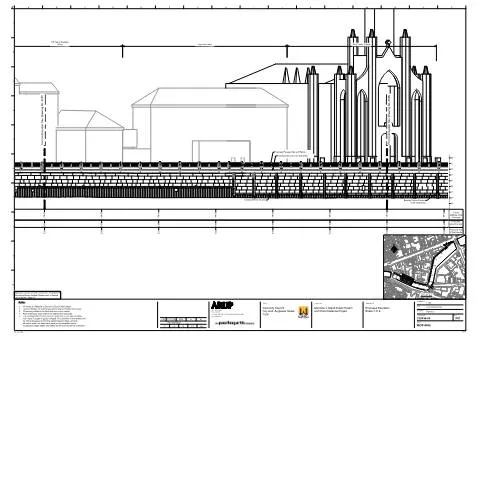
The planning application serves as an official request for permission to proceed with proposed flood defence projects. Current regulatory frameworks necessitate that such applications be submitted to the Department of Housing, Local Government and Heritage and the An Bord Pleanála (ABP). This ensures that the proposals align with national and local policies concerning urban planning and environmental protection. Specific to this application are the detailed drawings—Appendix A3—which provide critical insight into the flood defence designs, including proposed parapet walls, ground levels, and the maintenance of existing structures.
Importance of Community Involvement
Community involvement is a vital component of the planning process. Local residents and businesses are encouraged to engage with the process, as their feedback can help shape the final decision. The application process often includes public consultations where stakeholders can view plans, ask questions, and express concerns. Engaging with this phase is not just a right; it’s essential for ensuring that the final outcome adequately addresses local needs and expectations.
Key Parties Involved in the Application
The primary entities involved in the planning application are:
- Cork City Council: Initiator of the application, responsible for the preparation and submission of documents.
- An Bord Pleanála: Independent body that assesses planning applications at a national level and ensures compliance with established guidelines.
- Department of Housing, Local Government and Heritage: Provides oversight and evaluates the implications of flood defence works on both local and national scales.
Navigating the Application Submission Process
The submission process for a planning application can be multifaceted. Here’s a detailed breakdown:
1. Preparation of Documentation
Before submitting the application, several key documents must be prepared:
- Site Layout Drawings: Clear, comprehensive drawings illustrate existing and proposed structures.
- Design Reports: Thorough descriptions of the proposed flood defence methods and materials.
- Environmental Assessments: Evaluation of potential impacts on local ecosystems, which is crucial for compliance with the Environmental Impact Assessment (EIA) regulations.
2. Submission Channels
Applications can be submitted via various channels:
- Online Submission: Through the MyPlan online portal of the Department of Housing, providing a streamlined method for submission.
- Papers Submission: Submitting physical copies directly to Cork City Council's offices, ensuring all documentation is complete and correctly formatted.
- In-Person Submission: Applicants may opt to deliver their documents in person, allowing for immediate verification of receipt.
Understanding the Aftermath of Submission
Once the application is submitted, several steps unfold:
1. Acknowledgment and Initial Review
Upon submission, Cork City Council acknowledges receipt of the application. This acknowledgment includes details of the submission date and a reference number, which is essential for future inquiries.
2. Public Consultation Phase
A public consultation period follows, allowing community members to review the application. Notices are posted at the site and in local media. Feedback gathered during this phase can influence the council's recommendation.
3. Assessment by An Bord Pleanála
The application is forwarded to An Bord Pleanála for further assessment. This independent body evaluates the application against national planning policies and guidelines. They may hold oral hearings to gather more information and hear from stakeholders.
Consequences of Non-compliance and Deadlines
Timely submission of the application and adherence to guidelines is crucial. Failure to comply with the requirements can lead to the rejection of the application. Furthermore, deadlines for public feedback and review phases are strictly monitored, meaning late submissions can significantly delay the process.
Breaking Down the Appendix A3 Drawings
Appendix A3 of the planning application includes detailed technical drawings that illustrate the proposed flood defence works. These drawings are critical in understanding the project’s scope. Here are some key components:
- Proposed Parapet Wall: This structure is designed to elevate flood defence capabilities and protect adjacent properties.
- Ground Levels: Proposed ground elevations show planned modifications to the terrain, crucial for effective water management.
- Existing Structures: Depictions of existing timber fender piles that are to be maintained or replaced based on their condition.
Common Pitfalls in the Application Process
While navigating through the process, applicants often encounter challenges:
- Incomplete Documentation: Applications lacking necessary documents risk rejection.
- Public Opposition: Failure to address public concerns can lead to significant pushback.
- Inaccurate Drawings: Drawings that do not accurately reflect the proposed work may prolong the assessment period.
Leveraging Community Support and Public Engagement
Engaging with the community effectively can foster support for the project. Here are some strategies:
- Host Information Sessions: Providing clear, accessible information about the project can demystify the process and engage local residents.
- Utilising Social Media: Creating awareness through online platforms allows for broader engagement.
- Feedback Mechanisms: Establishing easily accessible channels for community feedback helps address concerns early in the process.
Final Considerations
The application for flood defence works represents a monumental step towards safeguarding Cork against flooding. Understanding each component—from the technical drawings to the engagement of local communities—is paramount. Stakeholders must navigate the complexities of planning regulations and community dynamics adeptly to ensure that this project proceeds smoothly and meets its intended goals.
As the city faces ongoing environmental challenges, the outcomes of these flood defence works will likely have lasting impacts on community resilience and urban planning in Cork. Awareness and involvement in the planning process not only facilitate transparency but also empower the community to effect positive change.
Understanding the Flood Defence Planning Process in Cork
Flood defence works are crucial in mitigating the risks posed by flooding in Cork City, particularly given its geographical layout and historical significance. The planning application submitted to An Bord Pleanála (ABP) for flood defence works involves a comprehensive process that ensures compliance with national and local regulations. One of the key documents in this phase is Appendix A3, which contains detailed drawings essential for understanding the scope and implications of the proposed works.
Before delving into the specifics of the drawings, it’s vital to grasp the framework within which these applications are evaluated. The planning process begins with the submission of the application to Cork City Council, which initially assesses the viability of the proposals. Environmental assessments, community impact studies, and technical evaluations are integral to this stage. The application must demonstrate adherence to the Planning and Development Acts, which outline the requirements for clarity and transparency in development proposals.
Once the preliminary review is completed, Cork City Council may issue a decision, which can then be appealed to An Bord Pleanála if necessary. Here, the examination becomes more comprehensive, as the ABP has the authority to hold public hearings and solicit further information from the applicant. This two-tiered system ensures that all stakeholders, including local communities and environmental groups, have the opportunity to voice their opinions and concerns.
Appendix A3’s drawings play a pivotal role in this process. They provide visual representations of the proposed flood defence works, including the types of barriers, modifications to the landscape, and integration with existing infrastructure. These drawings also illustrate potential impacts on local biodiversity and heritage sites, which are essential considerations under the National Planning Framework. Stakeholders reviewing these materials can better assess how the flood defences are designed to withstand extreme weather events and contribute to the overall resilience of Cork City.
Community Engagement and Stakeholder Consultation
An integral aspect of the planning process for flood defence works in Cork is community engagement and stakeholder consultation. The government recognises that local communities are the first responders to flooding incidents and are often most affected by decisions surrounding flood management. Thus, their input is invaluable in shaping effective and socially acceptable solutions.
Cork City Council employs various strategies to engage the public in the planning process. These include information sessions, workshops, and opportunities for public submissions during the consultation period. The objective is to foster an inclusive dialogue where community members can express their views, experiences, and concerns regarding the proposed flood defence measures.
During these engagements, residents often raise questions related to the effectiveness of the proposed flood works, particularly in light of recent extreme weather patterns. They may also inquire about the long-term maintenance and sustainability of the structures, which directly impacts their neighbourhoods. Addressing these concerns is essential for building trust and ensuring community buy-in for flood defence projects.
The importance of stakeholder consultation extends beyond just gathering opinions; it plays a significant role in refining the proposed designs. Feedback from local stakeholders can lead to adjustments in the planning application that better fit the unique needs of specific areas within Cork. For instance, community insights can influence the height and design of flood barriers to ensure they are both effective and aesthetically pleasing, thus integrating seamlessly into the urban landscape.
Ultimately, meaningful community engagement not only enhances the planning application but also empowers residents, giving them a stake in the future resilience of their city against flooding. The Cork City Council aims to create an environment where citizens feel heard and involved in decision-making, which is essential for fostering a cooperative approach to urban resilience.
The Role of Environmental Assessments in Flood Defence Projects
In the context of flood defence works, environmental assessments are a critical component of the planning application process. These assessments evaluate the potential environmental impacts of the proposed project and are required to ensure that the development aligns with both national legislation and EU directives regarding environmental protection.
The strategic environmental assessment (SEA) evaluates the broad impacts of the flood defence works on regional ecosystems, water quality, and local biodiversity. This assessment is often conducted in conjunction with an appropriate assessment (AA), which specifically examines the implications for any designated Natura 2000 sites—areas of significant environmental importance within the EU that are protected under the Habitats and Birds Directives.
As part of the planning application submitted to ABP, Cork City Council must present the findings of these environmental assessments alongside the Appendix A3 drawings. These findings provide crucial context, revealing how the proposed flood defence works may interact with the natural surroundings. For example, if the flood barriers are planned to be installed along riverbanks or coastal areas, the assessments will address potential changes to sediment transport, water flow patterns, and the habitats of local wildlife.
Moreover, the environmental assessments include recommendations for mitigating negative impacts. Strategies may involve designing barriers that enhance rather than inhibit the movement of local fauna or incorporating landscaping elements that promote biodiversity. By considering these factors early in the planning process, Cork City Council aims to ensure that the flood defence works protect not only human lives and property but also the environment and ecological integrity of the area.
In addition to environmental considerations, public health implications are often evaluated within the assessments. Flood defence works can inadvertently lead to changes in local drainage patterns, which may affect water quality and public health. Therefore, the assessments must also address potential risks and outline measures to mitigate them, ensuring that the project contributes to the overall health and well-being of the community.
This comprehensive approach to environmental assessment aligns with the broader goals of sustainable development in Ireland, ensuring that flood defence strategies are robust, environmentally sound, and considerate of the socio-economic factors affecting local communities.