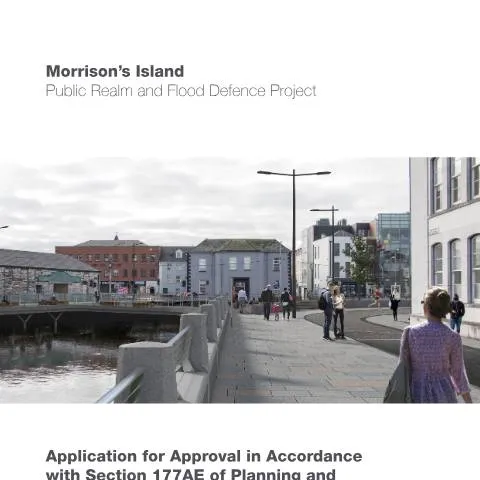
Navigating the Cork City Council Planning Application ABP 291
When it comes to urban development, particularly in areas susceptible to flooding, precise planning and execution become paramount. The Cork City Council - Flood Defence Works application under ABP 291 is not merely a formality but a critical process aimed at safeguarding the community while enhancing the urban environment. This document is essential for individuals, businesses, and various stakeholders looking to proactively address the effects of climate change on Cork's riverfront.
Key Players and Stakeholders Involved
This application is not limited to a single entity; it involves a variety of participants:
- Cork City Council (CCC): The principal authority responsible for overseeing and implementing the flood defence works.
- Local Residents: Those who will experience the changes firsthand, their input is pivotal during consultations.
- Environmental Agencies: Organizations assessing the environmental impact of the proposed work ensuring compliance with regulations.
- Businesses along the River Lee: These stakeholders stand to benefit or suffer from the changes made to the public realm.
- Planning Authorities: These include regulatory bodies that review and approve the application based on comprehensive assessments.
Dissecting the Application: Essential Sections and Requirements
The ABP 291 application is comprised of various sections detailing the proposed works, the design intent, environmental assessments, and community engagement. Here’s a structured breakdown:
Introduction and Background
This section sets the stage, providing a historical context of Morrison’s Island and the necessity for flood defence measures. Understanding the local heritage is crucial for appreciating the proposed changes.
Objectives of the Flood Defence Works
The goals outlined aim to improve not only the flood resilience of the area but also enhance public access and amenities:
- Creation of a pedestrian-friendly environment along the River Lee.
- Encouragement of community engagement through the design of public spaces.
- Preservation and enhancement of historical features.
Description of Proposed Works
A detailed account of the flood defence works is included here, outlining what infrastructure will be built or improved, including:
- Riverside promenades
- Improved quay wall structures
- Enhanced traffic management systems
Design Process and Compliance
This segment elaborates on how the proposed works align with the Planning and Development Act 2000 and its amendments, particularly Section 177AE. The design process is meticulous, ensuring that all plans comply with local and national regulations.
The Timeline: What to Expect
Understanding the timeline for the application process is crucial for all involved parties:
| Phase | Start Date | End Date | Details |
|---|---|---|---|
| Submission of Application | January 2023 | January 2023 | Initial paperwork and plans submitted to CCC. |
| Public Consultation | February 2023 | March 2023 | Engagement with local residents and stakeholders for feedback. |
| Review Period | April 2023 | June 2023 | Authorities assess environmental impacts and community feedback. |
| Decision Issued | July 2023 | July 2023 | CCC issues their decision on the application. |
| Implementation Phase | August 2023 | 2025 | Construction works commence following approval. |
Handling Potential Setbacks: Responses to Rejections and Errors
Not all applications go smoothly. Should the Cork City Council deny the application, stakeholders must be ready to respond:
- Review the Feedback: Understand the reasons for the rejection and gather necessary documentation to address concerns.
- Appeal Process: There is an opportunity to appeal the decision through An Bord Pleanála (ABP) should significant issues arise.
- Reapplication: Modify the proposal based on feedback and submit a revised application, incorporating changes that address previous objections.
Key Considerations for Stakeholders and Interested Parties
Each stakeholder group has unique concerns and conditions:
Local Residents
Residents must remain engaged throughout the application process to ensure that their voices are heard. Their qualitative feedback can lead to adjustments that better serve the community's needs.
Business Owners
For businesses, understanding potential disruptions during construction and how the enhanced public space could attract more foot traffic is vital. They may also need to adjust their operating hours or services based on changes during implementation.
Wider Context: The ABP 291 Application Within Urban Planning
The flood defence works outlined in the application play a pivotal role in the broader spectrum of urban development and environmental protection strategies in Cork:
- Integration with Existing Infrastructure: Ensuring that the flood defence works complement existing urban designs.
- Sustainability Goals: Aligning with Ireland's national policies on climate resilience and sustainable urban development.
- Community Revitalization Efforts: The project contributes to improving the quality of life while enhancing the aesthetic appeal of the area.
Final Steps Post-Approval: From Planning to Reality
Once approved, the focus shifts to the execution of the project and ensuring compliance with the plan:
- Monitoring and Reporting: Regular updates to stakeholders on progress and adherence to environmental guidelines.
- Community Involvement: Programs to keep local residents involved in the process, offering feedback and suggestions.
- Completion and Review: Post-project assessments ensure that the goals of the flood defence works are met and highlight any areas for future improvement.
In navigating the Cork City Council planning application process under ABP 291, stakeholders can contribute meaningfully to the enhancement of their urban environment while ensuring its safety against flooding risks. Engaging actively during each phase of the application can significantly influence the outcome and dynamics of this ambitious project.
Understanding the Planning Process for Flood Defence Works in Cork
The planning process for flood defence works in Cork, particularly in the context of applications to An Bord Pleanála (ABP), requires a comprehensive understanding of both local and national regulations. The Cork City Council initiates these programmes with an emphasis on sustainable development and environmental protection. Any application related to flood defence must illustrate compliance with the national legislation, particularly the Planning and Development Act 2000 and subsequent amendments.
In preparing a planning application, project proponents must submit an Environmental Impact Assessment (EIA) if the project is deemed to have significant environmental effects. This process is crucial not only for assessing the impact of proposed works on local habitats but also for ensuring community concerns are addressed. Stakeholders are encouraged to engage in public consultations, which are an integral step in the planning process. This is a chance for local residents and businesses to voice their opinions and contribute to the decision-making process.
When a planning application is made to ABP, it typically encompasses various documents, such as site maps, design statements, and assessments of existing flood risks. The application must also detail how the proposed works will mitigate flooding and enhance the resilience of the community against future environmental challenges.
Community Involvement and Stakeholder Engagement
Community involvement plays a vital role in the development and execution of flood defence projects in Cork. The Cork City Council actively encourages public participation through open forums, information days, and workshops. These initiatives are designed to inform citizens about proposed works and gather feedback that can be vital for refining project designs.
Moreover, consultation with local stakeholders, including businesses, environmental groups, and residents' associations, can lead to more robust and widely accepted solutions. The Cork Flood Relief Scheme, for instance, has been developed with significant input from the local community to align the flood defence measures with community needs and environmental sustainability.
It is also important to highlight the role of the National Parks and Wildlife Service (NPWS), which ensures that any flood defence measures undertaken do not adversely affect protected habitats and species. Stakeholders should be aware that conservation considerations must be factored into the planning process, which can lead to modification of proposed designs or implementations of additional mitigation measures.
Funding and Financial Considerations for Flood Defence Projects
Securing funding for flood defence works is a critical aspect of project implementation. In Ireland, funding for such projects typically comes from a mix of national government sources and local authority budgets. The Department of Housing, Local Government and Heritage plays a significant role in allocating resources for flood risk management initiatives. The financial viability of the proposed works is assessed during the planning process, considering not just the immediate costs but also long-term maintenance and operational expenses.
Additionally, applicants must consider potential funding opportunities through European Union (EU) programs aimed at climate adaptation and resilience-building. Projects that align with EU priorities, such as sustainability and environmental protection, may be eligible for financial support, which can ease the financial burden on local councils and communities.
As part of the planning application, candidates should provide a detailed budget, outlining both estimated costs and funding sources. This transparency is essential for gaining support from both local authorities and the wider community, as it illustrates a commitment to responsible financial management in addressing flood risks.