The Importance of Flood Defence Planning in Cork City
In the face of increasing climate challenges, flood defence planning has emerged as a pivotal concern for urban areas like Cork City. The Cork City Council - Flood Defence Works planning application serves as a central document in this endeavour, aimed at enhancing the city’s resilience against flooding. This formal application, specifically concerning the Flood Defence Works, is essential for ensuring that proposed projects meet local and national regulations while safeguarding communities from potential flood risks.
Components of the Flood Defence Works Application
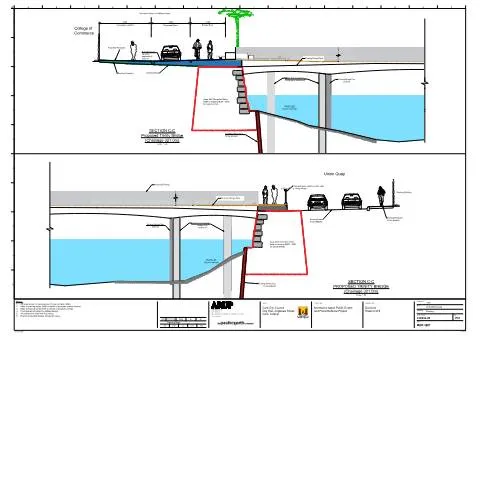
The application includes detailed architectural and engineering drawings that outline the proposed flood defence infrastructure. Key components often covered in the application documents may include:
- Proposed flood walls and barriers
- Drainage systems designed to mitigate overflow
- Landscaping and environmental impact assessments
- Access routes for maintenance and emergency services
- Public spaces that integrate aesthetic and functional uses
Each element is meticulously designed to comply with the standards set forth by the Department of Housing, Local Government and Heritage. Understanding these components is critical for applicants looking to navigate the planning process effectively.
Who Needs to Submit This Application?
This application is primarily the responsibility of developers and local authorities engaged in flood defence projects. However, it does extend to different stakeholders, including:
- Private Developers: Those looking to initiate construction projects that might affect flood management strategies.
- Local Authorities: Civic bodies planning large-scale infrastructure works to protect communities.
- Environmental Consultants: Professionals tasked with assessing the potential ecological impacts of proposed flood defences.
It’s important to note that any significant alterations to existing landscapes or water bodies will require such applications for proper oversight and compliance.
Preparing Documentation: Steps and Guidelines
Completing the Cork City Council flood defence application necessitates thorough preparation. Here are steps to follow:
1. Gather Relevant Documentation
Compile all necessary documents, which may include:
- Architectural drawings
- Engineering reports
- Environmental impact assessments
- Evidence of consultation with local residents or stakeholders
2. Consult with Experts
Engaging with engineers, architects, and environmental experts will ensure compliance with all technical specifications and local regulations.
3. Submit Initial Forms
Before submitting the detailed application, consider filing an initial inquiry with the planning department, which may streamline the process.
Understanding the Timeline for the Application
Awareness of the timeline is crucial for all stakeholders involved. Here’s how the process typically unfolds:
| Phase | Duration |
|---|---|
| Initial Submission | Day 1 |
| Assessment Period | 8 Weeks |
| Public Consultation | 2 Weeks |
| Final Decision Notification | 2 Weeks Post Consultation |
Please note that complex proposals may experience longer timelines, particularly if additional information is requested by the planning authority.
Method of Submission: Online vs. Hard Copy
The Cork City Council offers several avenues for submitting your flood defence application, each with its distinct advantages:
1. Online Submissions
Utilising the online portal provides several conveniences:
- Immediate confirmation of submission
- Ability to track the application's progress
- Access to a wider pool of resources and guidance documents
2. Paper Submissions
While less common in the digital age, submitting a paper application is an option. Consider this route for:
- Special circumstances where digital access may be limited
- Situations requiring physical review of large documents
Regardless of the method chosen, ensure that all documentation is complete and accurately filled to avoid delays.
What to Do If Your Application Faces Challenges
Experiencing setbacks during the planning process can be overwhelming. Should your application face refusal or require additional information, consider the following:
1. Understanding the Reasons for Refusal
The planning authority will typically provide reasons for any refusal, which may range from insufficient documentation to non-compliance with environmental guidelines.
2. Preparing for Re-Submission
Once the issues are understood, revise your application accordingly. It may be beneficial to consult with planning professionals to address specific points raised during the assessment.
3. Appeal Process
If a formal refusal occurs, you have the right to appeal to An Bord Pleanála. This process requires the submission of an appeal form, along with any relevant supporting documents, usually within 4 weeks of the decision notice.
Nuances in Flood Defence Planning for Unique Situations
Not all flood defence applications are created equal, and various factors can influence the required documentation and process. Here are some notable examples:
1. For International Stakeholders
Foreign developers or organisations may face additional scrutiny, requiring them to demonstrate compliance with both local and EU regulations. Establishing a local partnership can facilitate smoother communication and compliance.
2. Projects Involving Heritage Sites
Proposed works adjacent to or involving heritage sites or conservation areas require heightened sensitivity, with specific assessment protocols in place to protect cultural assets.
3. Emergencies and Accelerated Applications
In cases where immediate flood defence works are necessary due to imminent threats, expedited processes may be implemented. These applications must still address safety and environmental concerns but will often bypass non-essential procedural steps.
Final Considerations: Ensuring Compliance and Community Engagement
Once the application has been submitted and accepted, ongoing compliance with the planning conditions is paramount. Regular consultations with the local community and stakeholders can facilitate smoother projects. Effective communication ensures that the needs and concerns of local residents are considered throughout the construction process.
Ultimately, the Cork City Council - Flood Defence Works planning application is not merely an administrative hurdle; it’s a critical part of safeguarding lives and property from the threat of flooding. Understanding the intricacies of this document and the associated processes will significantly enhance the likelihood of a successful application.
Understanding Cork City Council's Flood Defence Strategy
The Cork City Council has embarked on several initiatives aimed at enhancing flood resilience within the city, especially in light of increasing climatic unpredictability. The Flood Defence Works encompass a mix of infrastructural projects designed to mitigate the risks posed by rising water levels and severe weather events.
The primary objectives of these flood defence works are to protect critical infrastructure, safeguard residential areas, and enhance ecological restoration. The planning application submitted to An Bord Pleanála (ABP) includes detailed engineering designs and environmental assessments as stipulated under the Planning and Development Act 2000.
These projects involve complex engineering solutions, including the construction of flood walls, embankments, and the installation of drainage systems that can efficiently manage excess rainfall. Furthermore, the plans also consider the integration of green spaces that could serve as natural water absorption zones, promoting biodiversity while simultaneously bolstering flood resilience.
Public consultations are a critical component of Cork City Council's planning process. Stakeholders, including residents and local organizations, have opportunities to provide feedback on proposed designs and the anticipated environmental impact. This engagement ensures that community concerns are addressed, and the final plans reflect the needs and preferences of those most affected.
The Role of Environmental Assessments in Flood Defence Works
Environmental assessments (EAs) are pivotal in the planning and approval of flood defence projects in Ireland. Under the European Union (EU) directives and the Planning and Development Regulations, any significant development must undergo a comprehensive assessment to evaluate its potential environmental impact.
For the Cork flood defence scheme, the EA evaluates various factors, including the effects on local ecosystems, water quality, and community health. Ecologists and environmental scientists collaborate to assess how proposed works may affect habitats for local wildlife, especially in sensitive areas such as habitats for migratory birds and aquatic species.
The findings from the Environmental Assessment Report (EAR) accompanying the planning application are crucial for addressing concerns regarding potential disruptions caused by construction activities. These may include sediment displacement in rivers, noise pollution, and the impacts of altered water flow patterns. Mitigation measures proposed in the report include timing restrictions on construction to avoid sensitive periods for local wildlife and implementing silt curtains to control sediment dispersion.
Furthermore, the EA process emphasizes the importance of sustainable practices throughout the lifecycle of the project. This includes the use of environmentally friendly materials, promoting energy efficiency, and ensuring that there are adequate provisions for long-term maintenance of the flood defence structures.
Funding and Economic Considerations of Flood Defence Works
One of the challenges faced by local authorities in implementing flood defence measures is securing adequate funding. The Cork City Council's flood defence works are partially financed through government grants, European Structural and Investment Funds, and local authority budgets. These financial structures are crucial as they ensure that projects can be completed efficiently and effectively, safeguarding communities at risk of flooding.
Economic analysis is an essential component in the feasibility studies associated with flood defence projects. Cost-benefit analyses are conducted to ascertain the potential economic losses incurred from flooding against the costs associated with implementing preventative measures. This analysis not only helps justify the investment in flood defence infrastructure but also assists in strategic planning for future developments.
Moreover, ensuring that flood defences are economically viable includes assessing their impact on property values and insurance costs. Well-planned flood defence works can enhance property values by reducing flood risk, making areas more desirable for living and investment. This, in turn, can contribute positively to the local economy by fostering growth in housing, retail, and other sectors.
In addition, ongoing maintenance of flood defence structures requires thoughtful budget planning. This encompasses routine inspections, repairs, and any necessary upgrades to adapt to changing environmental conditions. Funding for such maintenance is often secured through long-term budget planning, emphasizing the importance of sustainability in local economic strategies.