Understanding the Cork City Council Flood Defence Works Planning Application
The Cork City Council's planning application for flood defence works is a significant document within the broader context of environmental planning and community safety. This process aims to bolster the city’s resilience against potential flooding, an increasingly pressing issue due to climate change. Understanding how to navigate this application, known as Part 3 (Cork City Council - Flood Defence Works — planning application to ABP appendix F photomontages), requires a closer examination of who is involved, the responsibilities at each stage, and the subsequent implications of the application.
Who Needs to Engage with This Application?
The stakeholders involved in the Cork City Council's flood defence planning application are diverse, including local residents, businesses, environmental groups, and government officials. Each party has a distinct role and varying levels of engagement with the application process.
Residents and Property Owners
Local residents and property owners near the proposed flood defence works are major stakeholders. They may be directly impacted by the works, especially if their properties are at risk of flooding or if they live in close proximity to affected areas.
- Concerns: Residents often worry about the potential disruption caused by construction activities and the long-term effectiveness of flood protection measures.
- Participation: Residents may submit observations or objections to the planning application during the public consultation period, which is critical for ensuring their voices are heard.
Local Businesses
Businesses that operate in areas vulnerable to flooding must also consider the implications of the flood defence works. Their interests may include:
- Economic Impacts: How flood defence measures could enhance or hinder local commerce.
- Access and Logistics: Potential disruptions during construction and how these might affect business operations.
Environmental Groups
Environmental non-governmental organisations (NGOs) often play an important role in evaluating the ecological impacts of such planning applications. They may:
- Assess Environmental Impact: Review and comment on how the proposed works affect local wildlife and ecosystems.
- Advocate for Sustainable Practices: Push for environmentally friendly methods in flood defence planning.
Government Agencies
Several government bodies, including the Department of Housing, Local Government and Heritage, are involved in overseeing the implementation of such applications. Their key roles include:
- Regulatory Oversight: Ensuring compliance with laws and regulations regarding land use and environmental protection.
- Funding and Support: Facilitating financial and logistical support for the flood defence initiatives.
The Process of Engaging with the Application
Engaging with the Cork City Council flood defence planning application involves several steps, each governed by specific guidelines and timelines.
Initial Submission and Documentation
The application is first submitted to the relevant authorities, accompanied by necessary documents. These typically include:
- Detailed Plans: Engineering designs and specifications for the proposed flood defences.
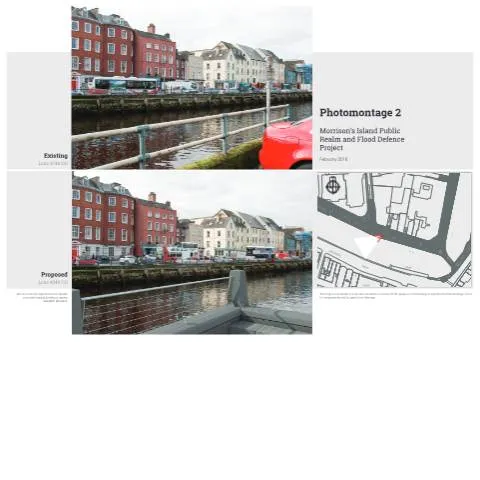
- Photomontages: Visual representations that help stakeholders understand the proposed works in context. Appendix F of the application contains these essential visual aids.
Public Consultation Phase
Once the application is submitted, a public consultation phase is initiated. This phase allows stakeholders to:
- Review Plans: Access documents via the local council's website or designated locations.
- Raise Concerns: Submit comments or objections within a set timeframe — typically outlined in public notices.
Decision-Making Process
After public consultation, the planning authority will review submissions before making a decision. The timeline for this process can vary, but typically takes several months.
- Evaluation: The council will assess the feedback provided by the community and conduct an evaluation of the proposed plans against local and national planning policies.
- Outcome Notification: Once a decision is reached, stakeholders will be informed, and the outcome will be made publicly available.
Understanding Timelines and Important Dates
Adhering to timelines is crucial when participating in the Cork City Council flood defence works planning application process. Knowing the key dates helps stakeholders to plan their involvement effectively.
Application Submission Date
The official submission date marks the beginning of the public consultation phase. Stakeholders should monitor local announcements for this date, which is typically advertised in local newspapers and online.
Public Consultation Period
The public consultation period usually lasts for a specified number of weeks (often around 4-6 weeks). During this time, stakeholders must ensure submissions of their comments or objections are sent before the deadline.
Decision Notification Timeline
After the conclusion of the public consultation, the planning authority will issue a decision within a statutory timeframe, often within 8-12 weeks. Stakeholders must remain vigilant for this notification to understand the outcome and their next steps.
Submitting Your Comments: Methods and Channels
For those wishing to submit their opinions regarding the planning application, understanding the various channels available is essential.
Online Submissions
The most efficient method for many stakeholders is to submit comments online. The Cork City Council website provides an online platform where individuals can:
- Upload Documents: Includes any supporting documents relevant to their submission.
- Access Guidelines: Find specific instructions on submitting comments effectively.
Written Submissions
Alternatively, stakeholders may choose to submit their comments in writing. This can be done via postal mail to the planning authority’s office. Important aspects to consider include:
- Clear Explanation: Comments should clearly outline concerns or support for the proposal, referencing specific plans where applicable.
- Deadlines: Written submissions must be postmarked before the consultation deadline.
In-Person Consultations
Local councils may also hold public meetings or information sessions during the consultation period. Engaging in person allows stakeholders to express concerns directly to council representatives and gather more information.
Comparing with Other Planning Documents
Understanding how the Cork City Council flood defence works planning application differs from other planning forms is crucial in navigating local bureaucracy.
Flood Defence Planning vs. General Planning Applications
Flood defence applications are distinct from standard planning applications in several key ways:
| Aspect | Flood Defence Application | General Planning Application |
|---|---|---|
| Focus | Environmental protection and community safety | Land use and development |
| Stakeholders | Includes environmental groups and disaster management agencies | Primarily local residents and developers |
| Documentation Required | Specialised engineering reports and photomontages | Standard architectural plans and design statements |
| Consultation Process | Intensive due to the potential impact on public safety | Standard public consultation |
Flood Defence Applications and Environmental Impact Assessments
While both flood defence and environmental impact assessment (EIA) applications share similarities, they serve different purposes.
- EIA Applications: Focus primarily on assessing the environmental consequences of proposed developments, while flood defence applications are centred around community protection.
- Documentation Differences: Flood defence applications require specific technical reports that EIA applications may not necessitate.
Unique Considerations for Stakeholders in Specific Situations
Certain groups may have unique considerations when engaging with the flood defence planning application process.
Non-Residents and Foreign Stakeholders
Individuals who do not reside in Ireland or those who own property but live abroad may still have interests in the planning application. Factors to consider include:
- Proxy Representation: Non-residents may wish to assign a local representative to voice their concerns during the consultation.
- Documentation of Interest: Being prepared to document ownership or interest in local properties is key.
Complex Situations and Exceptions
Certain scenarios may complicate engagement with the planning application. For instance, if the property is subject to multiple ownership, joint submissions can clarify shared concerns. Additionally, in emergencies or pressing situations, expedited submissions may be necessary, with adequate justification provided.
Minor Stakeholders
For minor stakeholders, such as tenants or temporary residents, engagement may appear less direct. However, these individuals can still participate by:
- Forming Coalitions: Joining together with other tenants to submit collective feedback.
- Leveraging Community Networks: Engaging with local advocacy groups to amplify their voices.
Your Rights and Obligations in the Process
Navigating the Cork City Council flood defence works planning application entails understanding both rights and obligations.
Stakeholder Rights
Stakeholders participating in the process have specific rights, including:
- Right to Information: Access to all relevant documents and plans associated with the application.
- Right to Consult: Ability to express views, concerns, and support during the consultation period.
Stakeholder Obligations
While stakeholders have rights, they also bear responsibilities. Key obligations include:
- Timeliness: Ensuring all submissions are made within the stipulated timeframes.
- Accuracy: Providing truthful and accurate information in submissions to avoid misinformation.
Final Thoughts on Engaging with the Flood Defence Works Application
Participating in the Cork City Council flood defence application process represents a vital opportunity for community involvement and environmental stewardship. By understanding the roles of various stakeholders, the timeline of events, submission methods, and rights and obligations, individuals can effectively navigate this critical undertaking. Engaging actively not only helps protect one’s property and community but also contributes to a broader movement towards sustainable urban planning and disaster resilience in Cork.
Understanding the Role of Cork City Council in Flood Defence Planning
Cork City Council plays a pivotal role in managing flood risks and implementing flood defence works within the city. In light of increasingly severe weather events attributed to climate change, the Council's commitment to enhancing the resilience of urban areas against flooding is critical. The Council's responsibilities include conducting comprehensive assessments of flood risk and devising strategic plans to mitigate such risks. The planning application process for flood defence works is governed by both national legislation and local policies, ensuring that projects are conducted in an environmentally sustainable and community-focused manner.
When a planning application is submitted, Cork City Council evaluates it against various factors, including impact on local communities, environmental considerations, and adherence to zoning laws. This evaluation process aims to balance the urgent need for flood defences with the preservation of the city’s natural and built heritage.
Furthermore, Cork City Council engages with local stakeholders, including residents, businesses, and environmental groups, to gather feedback on proposed flood defence works. This engagement is crucial for fostering transparency and ensuring that the concerns of the community are taken into account in the Council's planning decisions.
The Importance of Photomontages in Planning Applications
Photomontages serve as a vital tool in the planning application process for flood defence works, such as those proposed by Cork City Council. They provide stakeholders with a visual representation of how the proposed development will integrate into the existing landscape. Typically compiled as part of an Environmental Impact Assessment (EIA), photomontages aid in illustrating potential visual impacts and changes to the environment caused by the proposed flood defences.
These visual aids help local residents and decision-makers better understand the implications of the flood defence projects. For instance, photomontages can show how levees or flood walls would appear from various viewpoints within the community. This is essential for assessing public sentiment towards the project and ensuring informed participation in the planning process.
Additionally, high-quality photomontages can highlight any adverse visual impacts and allow planners to explore design alternatives that minimize disruption to the character of the area. By doing so, Cork City Council not only adheres to planning regulations but also promotes aesthetic considerations, emphasizing harmony between development and the environment.
Next Steps After Submission of the Planning Application
Once the planning application for flood defence works is submitted to An Bord Pleanála (ABP), a series of procedural steps follows. The first is the acknowledgment of receipt, which provides a timeline for how the application will be processed. It is essential for applicants to remain informed about this timeline, as various deadlines for submissions of observations or objections may arise during the review period.
The public consultation phase is a critical aspect of the planning process. Stakeholders, including local residents, community groups, and environmental organizations, can submit their views on the proposed project. Cork City Council typically provides clear guidelines on how to submit these observations, ensuring that the process is accessible and straightforward for everyone involved.
Furthermore, An Bord Pleanála may request additional information from the applicant to clarify aspects of the planning application. This can include further technical assessments or amendments to the proposed plans. Responding to these requests promptly is crucial for keeping the application on track.
After the deliberation process, An Bord Pleanála will issue a decision. This decision can take several forms, including approval, denial, or conditional approval based on specific terms. In the event of a refusal, applicants have the right to appeal or modify their application based on the feedback received, enabling a pathway for constructive engagement between the planning authorities and the applicant.