Understanding the Flood Defence Works Application Process in Cork
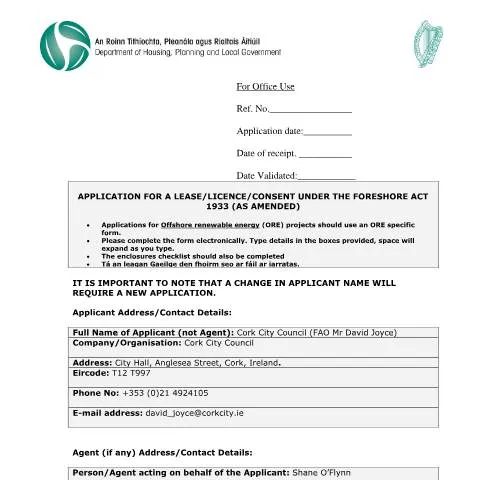
In navigating the complexities of flood defence projects, Cork City Council's application form for Flood Defence Works stands as a crucial document. This official form, associated with the Department of Housing, Local Government and Heritage, is pivotal for those seeking to ensure effective flood mitigation measures in the area. It is essential for applicants, particularly local councils and stakeholders involved in public works, to understand the nuances of this form and its implications on community safety and urban development.
The Historical Context of Flood Defence Initiatives
The need for flood defence works in Cork can be traced back to various historical incidents where flooding has impacted the city. The Lower Lee Drainage Scheme, initiated by the Office of Public Works (OPW), was a significant response to these challenges. This scheme aims to provide robust flood protection to critical areas in Cork, particularly along the quays that are prone to tidal flooding.
By understanding the historical precedents, applicants can appreciate the urgency and importance of submitting the Flood Defence Works application form. It is not just about seeking permission; it is about contributing to the resilience of Cork against the increasing threats posed by climate change and urban development.
Who Should Submit the Flood Defence Works Application?
The primary applicant for this form is typically the local authority, such as Cork City Council, though it can also be other organisations or agents acting on behalf of public interest projects. Understanding the roles is crucial:
- Local Authorities: These bodies are responsible for managing public spaces and ensuring community safety.
- Project Managers: Often individuals or companies engaged by local authorities to oversee project execution.
- Consultants and Advisors: Professionals providing expertise in legal, environmental, or engineering aspects of flood defence works.
The representation of interests ensures that every voice is heard in the planning phases of flood mitigation projects.
Preparation and Submission: Essentials for Completing the Application
Completing the Flood Defence Works application form requires meticulous attention to detail. Applicants must prepare a series of documents that substantiate their proposal. The sections in the form already hint at the type of information required:
- Proposal Details: A comprehensive description of the intended works, including the purpose and scope of the project.
- Nature and Scale: Clearly outline whether the structures are temporary or permanent and detail how they will enhance public access.
- Timing of Works: Provide estimated start dates and durations, as well as any other pertinent scheduling information.
- Usage of Development: Indicate whether the project is intended for public use, commercial use, or otherwise.
Additionally, it is crucial for applicants to follow the instructions for electronic completion of the form, ensuring that all sections are filled out accurately and thoroughly to avoid delays in processing.
Submission Channels: Navigating the Deposit Options
Once the application form is completed, applicants must decide on their submission method. There are several channels available:
- Online Submission: Using e-Government services available through MyGovID, applicants can submit forms directly online, ensuring faster processing times.
- Postal Submission: Applications may be mailed to the Cork City Council address provided in the form. This method requires careful attention to postal timelines.
- In-Person Submission: For those wishing to discuss their application or seeking guidance, in-person submissions can be made at designated offices.
Each method has its pros and cons, and applicants should consider their preferences and the specifics of their situation when choosing a submission channel.
Document Enclosures: Gathering Required Justifications
Accompanying the completed application form, several documents must be submitted to support the proposal. These can vary based on the specifics of the project but typically include:
| Document Type | Description |
|---|---|
| Project Plans | Detailed architectural or engineering drawings of the proposed works. |
| Environmental Assessments | Reports assessing the potential environmental impact of the proposed flood defences. |
| Public Consultation Records | Documentation of community engagement and feedback regarding the proposed works. |
| Legal Documentation | Proof of land ownership or agreements related to the proposed activities on the foreshore. |
Ensuring that all necessary documents are prepared and submitted can significantly influence the success of the application.
The Post-Submission Journey: What Happens Next?
After submitting the application, applicants often have questions about the subsequent steps. Understanding the review process is vital:
- Acknowledgment of Receipt: Once the application is received, the Cork City Council will issue an acknowledgment, providing a reference number for tracking.
- Validation Process: The application will undergo a validation process to ensure completeness and adherence to regulations.
- Consultation with Stakeholders: There may be consultations involving other government bodies, community stakeholders, and public interest groups.
- Decision Notification: Finally, applicants will receive a notification regarding the approval or rejection of their application, along with any conditions if granted.
Throughout this phase, it is essential for applicants to remain proactive, following up as necessary to ensure their application is progressing through the system.
Special Circumstances: Addressing Unique Applicant Profiles
Different applicants may face unique circumstances that could affect their applications:
- International Applicants: Foreign entities wishing to apply for flood defence works must ensure compliance with both Irish law and international obligations.
- Minors or Dependents: In cases where the applicant is underage or legally unable to submit independently, a legal guardian or representative must be designated.
- Emergency Situations: Applications arising from urgent flood threats may be treated with priority; however, proper documentation must still be submitted.
Each case will be assessed individually, and understanding these distinctions is crucial to navigating the application process successfully.
Monitoring and Follow-Up: Staying Informed on Application Progress
Once submitted, it is essential for applicants to remain engaged with the process. Here are methods to stay informed:
- Contacting the Council: Regularly reach out to Cork City Council through the provided contact details to inquire about your application status.
- Utilizing Online Portals: Most councils offer online platforms where applicants can track their application status and find updates.
- Responding Promptly to Requests: If additional information is requested during the review process, respond promptly to avoid delays.
Maintaining clear communication with the council can facilitate a smoother process and help address any issues promptly.
Conclusion: The Path Forward in Flood Defence Work Applications
Ultimately, the Flood Defence Works application form is more than just a bureaucratic requirement; it represents a commitment to safeguarding communities against flooding. By understanding each element of the process—from preparation to submission and follow-up—applicants can contribute meaningfully to the resilience of Cork City.
Understanding the Cork City Council Flood Defence Programme
The Cork City Council has initiated a comprehensive Flood Defence Programme aimed at safeguarding both residential and commercial properties from the increasing threat of flooding. This initiative is a response to the challenges posed by climate change, urban development, and historical flood events in the city. Therefore, it's crucial for residents and businesses in vulnerable areas to understand the scope of the programme, how it works, and their roles in it.
The Flood Defence Programme involves a series of engineering projects, including the construction of flood walls, embankments, and drainage systems designed to manage surface water efficiently. The programme is tailored to reflect the unique geographical and hydrological characteristics of Cork, particularly considering the River Lee and its tributaries.
To ensure that the project meets the community's needs, Cork City Council regularly engages with local stakeholders, including residents, business owners, and environmental groups. This collaboration not only helps to raise awareness about potential flood risks but also provides valuable input for the design and implementation phases of the flood defence works.
Residents can stay informed about upcoming consultations and project updates through the Cork City Council's website or by subscribing to their email notifications. Engaging with the council can also provide opportunities for residents to voice their concerns and contribute to discussions about the flood defence works.
Application Process for Flood Defence Works
Applying for participation in the Flood Defence Works undertaken by the Cork City Council entails a structured process that aligns with the council's commitment to transparency and community involvement. The application form for the flood defence works can typically be found on the Cork City Council's website, often categorized under the "Planning" or "Flood Defence" sections.
When filling out the application form, stakeholders must provide comprehensive details regarding their property, including its location, type, and any previous flooding incidents experienced. This information is crucial as it allows the council to assess the specific flood risks associated with the property and determine the appropriate measures required to mitigate such risks.
It is vital that applicants understand that submitting an application does not automatically guarantee participation in the flood defence projects. The council evaluates applications based on various criteria, including the property's vulnerability to flooding and the overall impact of proposed works on the community. Therefore, a well-prepared application that clearly outlines the property's needs and concerns will enhance the likelihood of approval.
Additionally, it is advisable for applicants to ensure they have their Personal Public Service Number (PPSN) ready, as this will be required to process the application, especially for any financial aid or compensation that may be applicable. Furthermore, applicants should be aware of deadlines associated with the application process, which are typically outlined in notices published by the Cork City Council.
Impact of Flood Defence Works on Local Communities
The implementation of flood defence works in Cork has far-reaching implications for local communities. Beyond the immediate goal of protecting properties from flooding, these initiatives can significantly influence community dynamics, local economies, and environmental sustainability.
For residents, enhanced flood protection leads to increased confidence in their home's safety, which can positively impact property values. A well-protected area is more attractive to potential buyers and can lead to a resurgence in local investment and development. Businesses, particularly those in flood-prone areas, can also benefit from increased foot traffic and economic activity as community members feel more secure in their neighbourhoods.
However, it is essential to acknowledge that construction and engineering works may temporarily disrupt local communities. Residents might experience inconveniences such as traffic changes, noise, and disruptions in local services. The Cork City Council typically seeks to minimize these impacts by scheduling works during off-peak hours and maintaining open lines of communication with the community throughout the process.
Environmental considerations are also paramount in implementing flood defence works. The council aims to incorporate sustainable practices, such as creating green spaces and preserving natural waterways, into their flood management strategies. This dual approach not only protects against flooding but also promotes biodiversity and enhances local ecosystems.
In conclusion, while the Cork City Council's Flood Defence Programme is imperative for ensuring long-term protection against flooding, it is equally vital for the council to address the community's concerns and actively engage locals throughout the process. Through effective communication and collaboration, the council can achieve a balance between infrastructural development and community well-being.