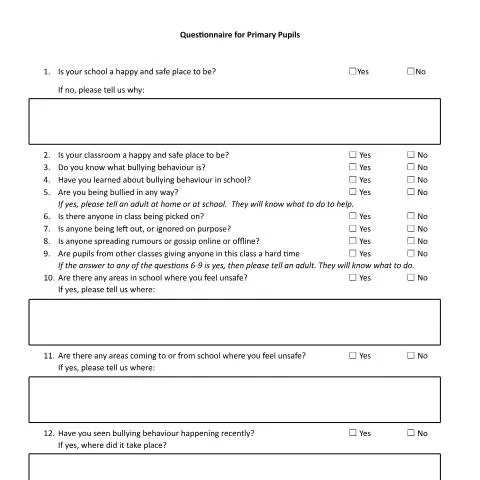
Understanding the Primary Pupil Questionnaire
In the evolving landscape of education in Ireland, the Department of Education has introduced a pivotal tool aimed at fostering a safe and supportive school environment for primary pupils: the Primary Pupil Questionnaire. Designed to garner insights directly from young learners, this document is instrumental in assessing the overall well-being of students and identifying potential areas of concern, particularly related to bullying and safety within school premises.
Who is Responsible for Submitting the Questionnaire?
The responsibility of submitting the Primary Pupil Questionnaire typically falls on school staff, including teachers and administrative personnel. This document is distributed to students, who complete it as part of broader initiatives to encourage their engagement and ensure their voices are heard. It is essential for schools to ensure that every pupil participates, as the aggregated responses yield essential data that inform school policies and interventions.
Encouraging Participation
- Schools should clearly communicate the purpose of the questionnaire to pupils, emphasizing its significance in shaping a positive school environment.
- Instructors might consider organizing discussions or activities that help students articulate their feelings about school, paving the way for an earnest completion of the questionnaire.
Steps to Completing the Questionnaire
Completing the Primary Pupil Questionnaire is straightforward, yet it necessitates a thoughtful approach to ensure that pupils express themselves accurately. The questionnaire consists of a series of questions that gauge various factors affecting pupils' experiences in school.
Instructions for Teachers
As a facilitator, it is crucial to provide clear instructions to the pupils:
- Read Each Question Carefully: Encourage students to take their time and understand what is being asked.
- Answer Honestly: Stress the importance of honesty in their responses to accurately reflect their experiences.
- Provide Context: If certain questions may seem confusing, take the time to explain them in a manner that resonates with their understanding.
Navigating Submission Channels
The submitted questionnaires can be collected through various channels, depending on the school's policies and the preferences of its staff. Understanding these channels can streamline the process and ensure that feedback reaches the appropriate authorities efficiently.
Available Submission Methods
| Submission Method | Description | Advantages |
|---|---|---|
| Online Submission | Pupils complete the questionnaire via a digital platform set up by the school. |
|
| Paper Submission | Pupils fill out a physical copy of the questionnaire that is then collected by staff. |
|
| In-Person Collection | Teachers collect responses during class time, providing immediate support and context. |
|
Special Circumstances in Questionnaire Submission
While the intention is for all students to participate, certain circumstances may require tailored approaches to ensure inclusivity. This section delves into the various factors that may affect the questionnaire process.
Considerations for Diverse Needs
- Students with Disabilities: Adaptations may need to be made for students with physical or learning disabilities to ensure they can complete the questionnaire comfortably.
- Non-Native English Speakers: Providing translations or additional support can facilitate better understanding and accurate responses.
- Students in Crisis: For pupils experiencing significant emotional distress, it may be prudent to offer one-on-one support while completing the questionnaire.
What Happens After Submission?
Once the questionnaires are submitted, the next steps involve processing and analyzing the collected data. This stage is crucial for translating pupil feedback into actionable outcomes that enhance school environments.
Data Processing and Analysis
- The school staff will compile the responses and analyze them to identify trends, common concerns, and areas needing attention.
- Data is often anonymized to protect pupil privacy while still allowing for meaningful insights.
- Prepared reports may be shared with staff, parents, and educational authorities to foster transparency and communal responsibility.
Framework for Addressing Issues Raised
The responses derived from the Primary Pupil Questionnaire serve as a foundational element for schools to identify and address significant issues, particularly regarding bullying and student safety.
Implementing Action Plans
In the wake of data analysis, schools are expected to formulate and implement action plans based on the feedback received:
- Prioritize Issues: Determine which issues need immediate attention based on the frequency and severity of reported concerns.
- Engage Stakeholders: Collaborate with teachers, parents, and students to devise practical solutions and interventions.
- Monitor Progress: Establish metrics to assess the effectiveness of implemented strategies and adjust as necessary.
Handling Concerns About Questionnaire Results
Concerns may arise regarding the outcomes of the questionnaire, especially if responses indicate troubling trends or issues that require urgent attention. Understanding how to navigate these concerns can lead to constructive solutions.
Addressing Discrepancies or Issues
- If the results reveal a high prevalence of bullying, schools must be prepared to respond decisively with clear policies and support systems.
- Teachers and administrative staff should be equipped with training to handle sensitive situations and provide necessary support to affected pupils.
- Communication with parents is vital; schools should ensure that guardians are informed of the results and the measures being taken to foster a safe school climate.
The Role of Feedback in School Improvement
The Primary Pupil Questionnaire is not just a standalone document; it fits into a broader framework of school improvement and student engagement initiatives. The feedback garnered plays a critical role in shaping educational policies and practices.
Connecting with School Improvement Plans
- Results from the questionnaire can directly inform School Improvement Plans (SIPs), ensuring that student voice is central to decision-making.
- Engaging pupils in discussions about their educational experiences can help cultivate a sense of ownership and responsibility within the school community.
Final Thoughts: The Importance of Ongoing Engagement
Ultimately, the Primary Pupil Questionnaire stands as a testament to the commitment of the Department of Education to ensure that every student in Ireland has a safe, happy, and inclusive learning environment. By actively engaging with pupils and taking their concerns seriously, schools can foster a culture of openness and trust.
As schools continue to navigate the challenges and triumphs of educating young minds, the insights gathered from this questionnaire provide a significant opportunity for growth, reflection, and proactive change. This proactive approach not only addresses immediate concerns but also lays the groundwork for a positive educational experience for all pupils.
Understanding the Importance of Parental Engagement
Engaging with school staff is a crucial aspect of ensuring a supportive educational environment for primary pupils. The involvement of parents and guardians can significantly influence a child's academic success and personal development. Research has consistently shown that when parents actively participate in their children's education, it fosters a positive attitude towards learning and enhances motivation.
In Ireland, schools have recognized this connection and have developed various tools, such as the primary pupil questionnaire, to facilitate dialogue between parents and school stakeholders. This questionnaire serves not only as a mechanism for collecting feedback but also acts as a bridge to strengthen the relationship between families and educational institutions.
To effectively engage with school staff, parents should consider the following strategies:
Be Proactive: Don’t wait for school meetings or events. Engage with teachers and staff throughout the academic year. Initiate conversations about your child's progress and potential concerns.
Attend Workshops and Information Sessions: Many schools host workshops aimed at providing insights into curriculum changes, teaching methodologies, and ways parents can support their children at home. Attend these sessions to stay informed and involved.
Utilize School Communication Platforms: Familiarize yourself with the communication tools your child's school uses. Whether it’s emails, newsletters, or dedicated platforms for parent-teacher communication, being active on these channels can keep you updated and involved.
Feedback on the Questionnaire: When filling out the primary pupil questionnaire, provide thoughtful responses. Your feedback is invaluable to the school as it helps staff identify areas of strength and opportunities for improvement.
Join Parent Associations: Engage with your child's school community by joining parent-teacher associations (PTAs). These groups often provide a platform to voice concerns, share ideas, and collaborate with school staff to enhance the educational experience for all pupils.
By approaching engagement from multiple angles, parents can reinforce their commitment to their child’s education, creating a supportive network that benefits both the family and the school.
Utilizing Technology to Enhance Communication
In the digital age, technology has transformed how parents engage with school staff. Schools across Ireland increasingly adopt digital platforms to streamline communication and foster an inclusive school environment. Understanding and leveraging these technologies can significantly enhance parental engagement.
Parent Portals: Many schools have implemented parent portals, where parents can track their child’s academic progress, attendance, and school announcements. Familiarizing yourself with these portals is essential, as they provide a wealth of information at your fingertips.
Mobile Applications: Some schools have developed mobile applications that allow parents to receive real-time notifications regarding events, grades, and important announcements. Downloading and regularly checking these apps can keep you informed and engaged with your child’s school life.
Fill in your form directly online
No printing: type your details into the boxes of the official form, tick, then download the PDF ready to send.
- 1Type into the form boxes
- 2Tick in one click
- 3Save and download the PDF
Virtual Meetings: Especially relevant in recent times, virtual meetings via platforms like Zoom or Microsoft Teams have become commonplace for parent-teacher interactions. Embrace these opportunities to connect with educators, even if you can't attend in person.
Social Media: Schools often use social media as a communication tool to share achievements, events, and important notices. Following your child’s school on platforms like Facebook or Twitter can provide additional insights into school life and community events.
Digital Feedback: Schools are increasingly looking for feedback through digital surveys or questionnaires. Participating in these surveys, including the primary pupil questionnaire, allows parents to voice their opinions and influence school policies and practices.
By embracing these technologies, parents can ensure that they remain engaged and informed, thereby enhancing their ability to support their child’s educational journey.
Navigating Challenges and Barriers to Engagement
While engagement with school staff is beneficial, some parents may face challenges that hinder their involvement. Understanding these barriers is essential for both parents and school staff to develop effective solutions.
Time Constraints: Many parents juggle work and family responsibilities, making it difficult to find time for school-related activities. Schools can support parents by scheduling meetings at various times or providing virtual options to accommodate different schedules.
Language Barriers: For parents who speak English as a second language, understanding school communications can be challenging. Schools should offer translation services or materials in multiple languages to ensure all parents have access to important information.
Lack of Awareness: Some parents may not be aware of the importance of their engagement in their child’s education or the resources available to them. Schools can enhance awareness through orientation sessions and regular communications that highlight the benefits of parental involvement.
Feeling Unwelcome or Excluded: Parents from diverse backgrounds may feel marginalized or uncomfortable in a school environment. Creating an inclusive and welcoming atmosphere is vital. Schools should actively encourage participation from all families and celebrate the diversity within their community.
Technology Access: Not all parents may have access to the requisite technology or internet connectivity to engage fully with digital platforms. Schools must consider this and provide alternative options for parents to stay informed and involved.
Addressing these challenges requires collaboration between parents and educators. Schools can work to create an inclusive environment that welcomes and values parent contributions, thereby fostering a more engaged school community.