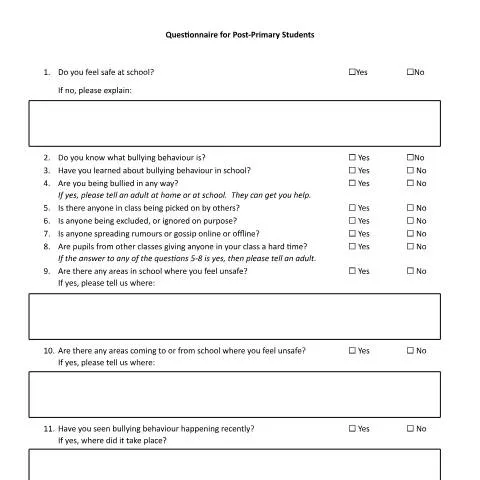
Understanding the Post-Primary Student Questionnaire: An Essential Tool for Student Engagement
The Post-Primary Student Questionnaire serves a critical role in shaping the educational landscape in Ireland. Designed by the Department of Education, this document facilitates communication between students and school staff, enabling an open dialogue about safety, well-being, and bullying behavior in school environments. Understanding how to effectively navigate this questionnaire is vital for both students and educators.
Navigating Obligations and Rights: What Students Should Know
Completing the questionnaire is not merely a task; it is a right for students to express their feelings and experiences within the school community. Students are encouraged to voice their concerns and thoughts, contributing to a safer and more inclusive environment. Filling out this form can lead to:
- Increased Awareness: Understanding the prevalence of bullying can help schools implement effective anti-bullying strategies.
- Enhanced Support: Students who report feelings of unease or bullying can receive support from school staff, including counseling services.
- Stronger Community: Engaging with the questionnaire fosters a sense of belonging and community among students.
However, failing to complete the questionnaire can result in missed opportunities for assistance and improvements within the school environment. It is not just a formality; it is a pathway to enhanced well-being.
Decoding the Questionnaire: Each Section Explained
Understanding the nuances of the questionnaire is essential for accurate and meaningful responses. Below is a breakdown of the key components:
- Safety at School: The first few questions focus on the student's perception of safety within the school premises. Students are prompted to reflect on whether they feel safe and to provide explanations if not.
- Understanding Bullying: Questions about the recognition of bullying behavior and personal experiences with bullying aim to gauge awareness and personal encounters, encouraging students to communicate their perspectives openly.
- Reporting Mechanisms: The questionnaire empowers students to identify peers who may be struggling, reinforcing the importance of community vigilance and responsibility.
- Suggestions for Improvement: Inviting students to propose solutions to bullying behavior signifies the value placed on their insights and ideas, fostering a collaborative atmosphere in addressing issues.
Submission Channels: How and Where to Submit
The submission process for the Post-Primary Student Questionnaire varies depending on the school’s infrastructure and policies. It is essential for students and guardians to understand the available channels:
| Submission Method | Description | Advantages |
|---|---|---|
| Online Submission | Many schools now offer an online platform for submitting the questionnaire. | Quick and Convenient: Allows for immediate processing and reduces the chance of paperwork being lost. |
| Paper Submission | Students may fill out a physical copy of the questionnaire and submit it to their teachers. | Tangible Record: Students have a physical copy that can be referred back to if needed. |
| In-Person Submission | Submitting directly to a designated staff member at the school. | Personal Interaction: Offers a chance for students to discuss their answers if they feel comfortable. |
Choosing the right method based on comfort and accessibility is crucial for encouraging honest and candid responses.
Timeline: Key Dates and Follow-Up Steps
Timeliness in submitting the Post-Primary Student Questionnaire can significantly impact the effectiveness of the school’s response. Students should adhere to the following timeline:
- Start Date: The school typically announces the launch of the questionnaire at the beginning of the academic year or term.
- Submission Deadline: Students are often given a specific period, usually 2-4 weeks, to complete and submit their questionnaires.
- Feedback Period: Following submission, schools will compile the results and share findings with students, often within a month after the deadline.
- Implementation of Changes: Schools should take action based on feedback received, which may include new policies or programs to enhance student safety.
Understanding the Legislative Framework: Historical Context
The Post-Primary Student Questionnaire is shaped by various legislative frameworks aimed at protecting students and ensuring their voices are heard. Key acts influencing this questionnaire include:
- The Education Act 1998: This act emphasizes the need for schools to create a safe and supportive environment for students, mandating schools to address issues related to bullying.
- Child Protection Policies: Under various child protection guidelines, schools are required to implement policies that ensure the safety and well-being of all students.
This historical context underpins the importance of the questionnaire as a tool for identifying and addressing issues of concern within schools, thus enhancing the overall educational experience.
Common Challenges and Best Practices for Completion
While filling out the Post-Primary Student Questionnaire may seem straightforward, students may encounter challenges. Here are best practices to ensure effective completion:
- Be Honest: The effectiveness of the questionnaire lies in genuine responses. Encourage students to express their true feelings.
- Seek Support: If unsure about how to answer certain questions, students should feel empowered to seek guidance from trusted adults.
- Provide Clear Explanations: When prompted to explain negative experiences, students should provide clear, concise information to facilitate appropriate responses from the school.
By addressing these challenges proactively, students will contribute valuable insights that can lead to meaningful changes in their educational environment.
Post-Submission Process: What Happens Next?
Once the Post-Primary Student Questionnaire has been submitted, students may wonder about the subsequent steps taken by the school. Understanding this process is vital for setting expectations:
- Data Analysis: School staff will analyze the responses to identify trends and areas requiring immediate attention.
- Action Plans: Based on the analysis, schools will develop action plans to address any identified issues, which may include new initiatives or interventions.
- Communication: Schools typically communicate findings and plans to students and parents, fostering transparency and collective responsibility.
- Follow-Up Surveys: In some cases, schools may conduct follow-up surveys to assess the effectiveness of implemented changes.
Awareness of the follow-up process reassures students that their voices are valued and will lead to tangible improvements in their school environment.
Understanding the Role of the School Staff in Student Engagement
In the context of post-primary education in Ireland, the relationship between students and school staff plays a pivotal role in the educational experience. Recognizing the diverse roles that teachers, guidance counselors, and administrative staff perform can greatly enhance a student's engagement. Teachers primarily focus on delivering the curriculum, but they also serve as mentors and supporters, fostering a positive learning environment. Additionally, guidance counselors provide critical support in academic planning and personal development, while administrative staff ensure the smooth operation of school functions.
Fill in your form directly online
No printing: type your details into the boxes of the official form, tick, then download the PDF ready to send.
- 1Type into the form boxes
- 2Tick in one click
- 3Save and download the PDF
Understanding these roles can help students frame their interactions effectively. For instance, engaging with a teacher about course content might differ significantly from discussing career options with a guidance counselor. The post-primary student questionnaire should reflect these nuances, inquiring about students' perceptions of their relationships with different staff members and how these interactions influence their motivation and engagement. Questions could explore the support systems available and the effectiveness of communication channels between students and staff.
Developing Effective Communication Strategies
Communication is a cornerstone of effective engagement in educational settings. When students feel comfortable expressing their opinions and concerns, it fosters a more inclusive and supportive atmosphere. Schools can enhance student engagement by developing effective communication strategies that encourage dialogue. This includes regular feedback opportunities where students can voice their thoughts on teaching methods, school policies, and extracurricular activities.
Moreover, utilizing technology can facilitate better communication. Platforms such as school portals and mobile applications can serve as accessible tools for students to engage with their peers and staff. The post-primary student questionnaire could include sections that gauge students’ preferences for communication formats and their overall satisfaction with existing channels. This data can help schools tailor their communication strategies, ensuring they meet the needs of all students, including those who may require additional support.
Addressing Mental Health and Wellbeing in Schools
Another vital aspect that should not be overlooked in the context of student engagement is the mental health and wellbeing of post-primary students. The pressures associated with academic performance, social dynamics, and personal issues can significantly impact a student's ability to engage positively with school. As such, understanding how effectively school staff address mental health concerns is crucial.
The post-primary student questionnaire should explore students' awareness of mental health resources available within the school, including counseling services and support groups. It should also assess how approachable school staff are regarding mental health discussions. Questions could focus on whether students feel safe discussing their mental health with staff and if they believe staff are adequately trained to handle these sensitive topics. By recognizing students’ experiences and concerns regarding mental health, schools can better allocate resources and training to support both staff and students, ultimately fostering a more engaging and nurturing environment.