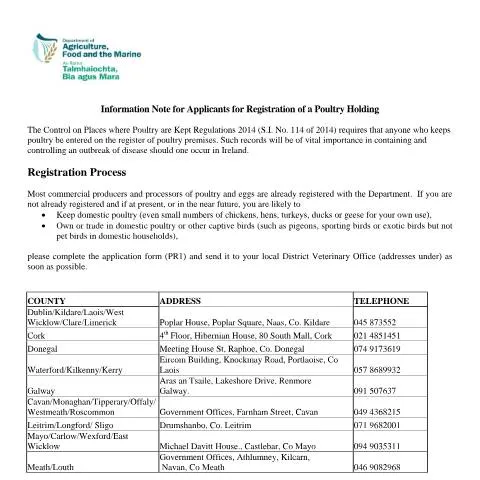
Understanding the Importance of Registering a Poultry Holding
Maintaining a healthy poultry population requires stringent measures, especially in a country like Ireland, where disease outbreaks can have significant economic and public health implications. The Poultry - Information Note for Applicants for Registration of a Poultry Holding acts as a gateway for those aspiring to keep poultry, whether for commercial purposes or personal use. Under the framework of the Control on Places where Poultry are Kept Regulations 2014 (S.I. No. 114 of 2014), registration is not merely a bureaucratic hurdle; it is a vital step in safeguarding public health and biosecurity.
The registration process enables authorities to monitor and control poultry holdings effectively, thereby preventing disease outbreaks that could devastate the industry. Understanding the nuances of this registration process is crucial for anyone looking to keep poultry in Ireland.
Timeline of the Registration Process
Navigating the registration process involves understanding key timelines related to the application. The timing of your application can affect both your poultry management plans and compliance with legal requirements.
When to Register
Ideally, you should register your poultry holding as soon as you decide to keep poultry. Whether you are planning to raise domestic birds for personal use or for commercial sale, the registration should be initiated promptly to avoid any potential legal pitfalls.
Post-Submission Actions
Once you submit your application (Form PR1) to your local District Veterinary Office (DVO), the next steps include:
- Assessment: Your application will be reviewed to ensure compliance with biosecurity standards.
- Approval or Refusal Notification: The DVO will notify you via letter regarding the outcome of your application.
- Issuance of Poultry Holding Number: If approved, you will receive a unique Poultry Holding Number, crucial for record-keeping and disease control.
These steps generally occur within weeks of submission, but it is prudent to follow up if you do not receive communication within a reasonable time frame.
Deciphering the Registration Form
Completing the Form PR1 may seem straightforward, but understanding its components is essential for successful submission.
Key Sections of Form PR1
The form contains various sections, each requiring specific information. Pay close attention to the following:
- Personal Information: Provide your name, address, and PPSN (Personal Public Service Number). Errors in this section may delay processing.
- Details of Poultry Holding: Clearly describe the location and type of poultry you intend to keep. This is where many applicants stumble; vague descriptions can result in rejection.
- Declaration: Ensure that the declaration on the back of the form is signed. Omitting this step is a common mistake that can invalidate your application.
Common Pitfalls in Form Completion
Be mindful of these frequent mistakes:
- Inaccurate Location Details: Always provide your Eircode for precise identification.
- Failure to Meet Definitions: Understanding terms like "holding" and "keeper" is critical; misinterpretation can lead to incorrect information being submitted.
Completing the form with meticulous care will streamline the process significantly.
Identifying Who Needs to Register
Not everyone who keeps poultry must register, yet it is vital to understand if your circumstances require registration.
Commercial Producers vs. Hobbyists
- Commercial Producers: If you plan to sell poultry products or raise birds on a commercial scale, registration is mandatory.
- Backyard Poultry Keepers: Even small-scale keepers with just a few chickens for personal use are required to register.
Exceptions to Registration Requirements
Certain conditions might exempt individuals from registering, such as:
- Pet Birds: Birds kept solely as pets within a domestic household do not require registration under these regulations.
- Temporary Closures: If you do not keep poultry for an extended period, you may not need to maintain your registration. However, consult your local DVO to clarify your specific case.
Understanding the Wider Regulatory Context
The registration of poultry holdings does not exist in isolation; it is part of a broader legislative framework aimed at ensuring animal health and public safety.
Relation to Other Regulations
The Poultry Holding Registration is interconnected with various agricultural and veterinary policies. Compliance with the following can enhance your understanding:
- Animal Health and Welfare Regulations: Understanding the legislation regarding the welfare of poultry can help you maintain the necessary standards.
- Biosecurity Measures: Compliance with biosecurity protocols is essential to prevent the spread of diseases among poultry and other animals.
Role of the District Veterinary Office (DVO)
The DVO serves as the primary authority for processing your application and ensuring compliance with health regulations. They are also your first point of contact for any queries related to your poultry holding registration.
Documentation for Registration
Preparing the necessary documentation is crucial in facilitating a smooth registration process.
What You Should Gather
- Completed Form PR1: This is your primary document.
- Identification: Ensure any identification provided matches your application.
- Site Plans: If applicable, documents detailing your poultry holding location.
Documentation Variations Based on Poultry Type
Depending on the type of poultry you plan to keep, additional documentation may be needed. For example:
- Commercial Operations: You may need to provide proof of business registration.
- Exotic Birds: Additional health certifications could be required.
Organising these documents in advance will save time and reduce the risk of errors.
Biosecurity Expectations for Poultry Holders
Biosecurity is a critical aspect of poultry management and affects your eligibility for a Poultry Holding Number.
Understanding Biosecurity Measures
The DVO will assess your poultry holding against established biosecurity criteria before issuing registration. Key requirements include:
- Defined Holding Area: Ensure your holding is clearly defined and fenced to prevent unauthorized access.
- Separated Facilities: All feeding, watering, and housing facilities must be independent to avoid cross-contamination with other poultry.
Implementation of Biosecurity Protocols
Regularly review and update your biosecurity measures. For example:
- Restrict access to your poultry holding to essential personnel only.
- Provide clear signage indicating biosecurity measures in place.
- Maintain accurate records of all entries and exits from the facility.
Following biosecurity protocols not only ensures compliance but protects both your poultry and public health.
After Registration: What to Expect
Once registered, several ongoing responsibilities fall to poultry keepers.
Maintaining Records
It is essential to keep detailed records of your poultry:
- Health and Treatment Logs: Document any veterinary treatments administered.
- Feeding Schedules: Track feed types and quantities to ensure compliance with nutritional standards.
Periodic Reviews and Inspections
The DVO may conduct periodic reviews of your poultry holding to ensure continued compliance with health and biosecurity regulations.
Responding to Changes in Circumstance
If your situation changes—be it the number of birds you keep or the type—you must notify your DVO promptly. This is critical to maintaining compliance with regulations and ensuring the health of your poultry.
Conclusion: The Path Forward
Registering a poultry holding is a multi-faceted process that requires attention to detail and compliance with various regulations. Whether you are a commercial producer or a hobbyist, understanding the significance of the registration process, the necessary documentation, and ongoing responsibilities is vital for ensuring a successful poultry operation in Ireland. By adhering to these guidelines and maintaining a proactive stance on biosecurity, you will contribute positively to the overall health of the poultry industry and public safety.
Understanding Poultry Holding Registration Requirements
To legally operate a poultry holding in Ireland, applicants must navigate the regulatory landscape set forth by the Department of Agriculture, Food and the Marine. Registration is critical for compliance with animal welfare, food safety, and environmental standards. Applicants need to gather several essential documents before submitting their registration.
First, it is crucial to identify the type of poultry being kept. The registration process may differ based on species, such as chickens, ducks, or turkeys. Each category has unique health and nutrition requirements that must be documented. Additionally, all poultry keepers must obtain a Unique Animal Identification Number (UAIN) and link it to the holding.
Next, applicants should prepare a biosecurity plan. This plan outlines the measures taken to prevent the introduction and spread of diseases amongst the poultry. Guidelines issued by the Department provide a clear framework for biosecurity practices that must be adhered to, which is an important part of the registration application.
Fill in your form directly online
No printing: type your details into the boxes of the official form, tick, then download the PDF ready to send.
- 1Type into the form boxes
- 2Tick in one click
- 3Save and download the PDF
Another requirement is to provide details regarding the housing and management of the birds. Specifics about the dimensions of the housing, ventilation systems, and feeding practices must be recorded. It is advisable to include supplementary documentation, such as photographs or diagrams of the housing facilities, to assist in the application review process.
Lastly, applicants must present a comprehensive management plan that addresses potential risks such as disease outbreaks or environmental impacts. Failing to demonstrate preparedness for these scenarios can potentially delay the registration process or lead to rejection.
Navigating the Poultry Holding Inspection Process
Once the registration application is submitted, an inspection by a Department official will take place. This inspection is fundamental to ensuring that the poultry holding complies with national standards. Being well-prepared for an inspection can significantly affect the outcome of your application.
Inspectors will evaluate your poultry facilities and farming practices in accordance with the relevant legislation, including the Animal Health and Welfare Act 2013. They will verify the accuracy of the information provided in your application and ensure the biosecurity measures outlined are effectively implemented.
To facilitate a smooth inspection process, applicants should maintain accurate records of all poultry-related activities, such as veterinary treatments, feed purchases, and movement of birds. It is beneficial to keep documentation readily available and well-organized, as this will not only assist the inspector but also demonstrate the applicant's commitment to responsible poultry management.
Moreover, being familiar with common deficiencies observed during inspections can help applicants prepare adequately. These may include:
- Inadequate Record-Keeping: Failing to maintain detailed logs of all livestock, including health checks and feeding schedules.
- Biosecurity Lapses: Not adhering to basic biosecurity protocols, such as restricting access to the holding or failing to sanitize equipment.
- Substandard Housing Conditions: Housing that does not meet minimum space, ventilation, or hygiene standards can lead to immediate concerns.
Understanding what inspectors look for and addressing these areas prior to the site visit can significantly enhance your chances of a successful registration.
Post-Registration Obligations and Continued Compliance
Once registration is granted, holders must be aware of ongoing obligations to maintain compliance with national and EU regulations. Regular audits and inspections can occur, necessitating adherence to the standards set forth at the time of registration.
Poultry holders are required to submit annual reports to the Department, detailing flock numbers, health statuses, and any incidents related to biosecurity breaches. These reports are essential not only for the regulatory framework but also for tracking poultry health trends and ensuring public safety.
Moreover, holders are encouraged to engage in Continuous Professional Development (CPD). Attending workshops, training sessions, and conferences organized by the Department or industry bodies can keep holders updated on best practices, emerging diseases, and changes in legislation.
Participation in CPD activities often opens up avenues for support and funding from the Department, enhancing the sustainability and efficiency of poultry operations.
Staying proactive about compliance and continuing education will also foster a positive relationship with regulatory authorities, potentially easing future inspections and administrative processes.
In summary, managing a poultry holding in Ireland involves navigating a complex registration and compliance landscape. By understanding the requirements, preparing thoroughly for inspections, and committing to ongoing education, poultry holders can successfully operate within the regulations while contributing to the sustainability of the industry.