Understanding the Parent/Carer Questionnaire: A Vital Tool for School Well-being
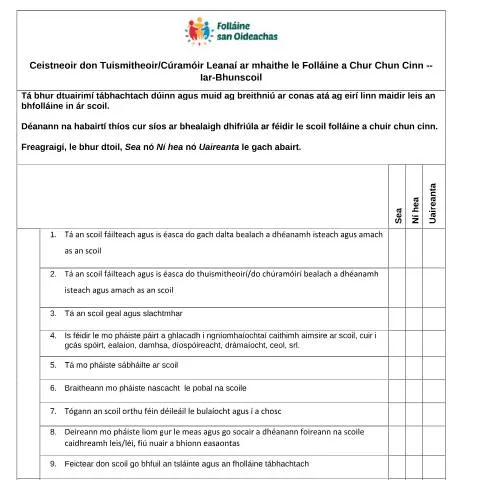
The journey of a child's education is multifaceted, encompassing not just academic learning but also emotional and social well-being. In this context, the Parent/Carer Questionnaire, issued by the Department of Education, serves as a pivotal mechanism for gathering valuable insights from parents and carers regarding the health and wellness initiatives in schools. This document is more than just a form; it is a conduit for communication between schools and families, aimed at fostering a supportive educational environment.
The Significance of Parental Involvement in School Wellness
Parental involvement is essential in shaping students' educational experiences and outcomes. Schools that actively engage parents in wellness discussions benefit from diverse perspectives that can lead to more effective strategies. This questionnaire allows parents and carers to express their views on various aspects of school life that contribute to student well-being, including safety, inclusivity, and the availability of support services.
Who Should Complete the Questionnaire?
All parents and carers of students enrolled in primary and post-primary schools are encouraged to participate. Whether you are a full-time caregiver or a part-time parent, your insights are invaluable. This feedback can help school administrators understand the unique challenges and advantages present in their communities.
Key Elements of the Parent/Carer Questionnaire
The questionnaire consists of a series of statements regarding the school environment, where respondents can indicate their level of agreement or disagreement. Each statement focuses on specific aspects of school life, such as:
- Accessibility of the school for students and parents
- Perceptions of safety and anti-bullying measures
- Opportunities for student participation in extracurricular activities
- Availability of support for students with social or emotional difficulties
By providing a structured format for responses, the questionnaire ensures that the feedback collected is both comprehensive and actionable.
Filling Out the Questionnaire: A Step-by-Step Guide
Completing the Parent/Carer Questionnaire is a straightforward process. Here’s how you can approach it:
- Read Each Statement Carefully: Take your time to understand what each statement is asking. Reflect on your child’s experiences at school.
- Select Your Response: For each statement, choose from “Yes,” “No,” or “Sometimes.” Your candid responses are crucial for accurate analysis.
- Provide Additional Feedback: If you have extra thoughts or suggestions, there will typically be a section for comments at the end of the questionnaire.
Consider discussing the questionnaire with your child, as their insights could enrich your responses and ensure a more holistic view of the school environment.
Submitting the Questionnaire: Options and Deadlines
Once completed, the questionnaire can usually be submitted through various channels, depending on the specific arrangements made by your school:
- Online Submission: Many schools provide a digital platform where parents can submit their responses directly. This can often be done through the school’s website or a designated online portal.
- Paper Submission: If you prefer a physical format, printed questionnaires can typically be returned to the school office. Ensure you keep a copy for your records.
- In-Person Submission: For those who wish to discuss their responses further, some schools allow parents to submit the questionnaire during scheduled meetings or open days.
It’s important to adhere to submission deadlines, as late responses may not be included in the overall analysis and action plans created by the school.
The Role of the Department of Education in Oversight
The Parent/Carer Questionnaire is part of a broader initiative supported by the Department of Education, which oversees the implementation of well-being programs in schools. The insights gathered through these questionnaires are crucial for:
- Identifying areas for improvement in school policies related to student welfare.
- Guiding professional development for staff based on parental feedback.
- Enhancing community engagement by understanding the needs and expectations of families.
This collaboration emphasizes the importance of a unified approach to education, where the perspectives of parents and carers are respected and utilized in strategic planning.
Analyzing Feedback: What Happens Next?
After the questionnaires are submitted, schools will typically analyze the responses to identify trends and areas of concern. This process involves:
Fill in your form directly online
No printing: type your details into the boxes of the official form, tick, then download the PDF ready to send.
- 1Type into the form boxes
- 2Tick in one click
- 3Save and download the PDF
- Data Compilation: Schools will aggregate the data to see patterns in responses. This may involve statistical analysis to quantify how many parents feel positively or negatively about specific aspects of school life.
- Community Discussion: Many schools will organize meetings to discuss findings with parents and staff. This collaborative approach ensures transparency and fosters a sense of community.
- Action Plans: Based on the insights gathered, schools will develop action plans aimed at addressing the identified concerns and enhancing overall student well-being.
This iterative process not only helps in improving school environments but also empowers parents to take an active role in shaping their children’s educational experiences.
The Broader Impact of the Questionnaire on Educational Policy
While the Parent/Carer Questionnaire focuses on individual schools, its implications extend to broader educational policies. Insights gained from this exercise contribute to:
- Policy Development: Feedback can inform the creation of district-wide initiatives aimed at improving student welfare and engagement.
- Resource Allocation: Understanding the needs of various communities allows for better allocation of resources where they are most needed.
- Parental Engagement Strategies: Schools can develop tailored strategies to engage parents more effectively, ensuring that their voices are heard and valued.
By addressing wellness systematically through such questionnaires, the education system in Ireland moves towards a more inclusive and supportive environment for all students.
Closing Thoughts on the Importance of Engagement
The Parent/Carer Questionnaire is a crucial element in the ongoing conversation about student well-being in Irish schools. By participating in this process, parents and carers not only contribute to their child’s educational experience but also play a significant role in shaping the future of their communities. Schools that actively seek and respond to parental feedback demonstrate a commitment to continuous improvement and community engagement, fostering a nurturing environment for all students.
Should you have specific concerns or additional thoughts beyond the questionnaire, reaching out directly to school administrators or participating in school meetings can further enhance dialogue and collaboration between families and educational institutions.