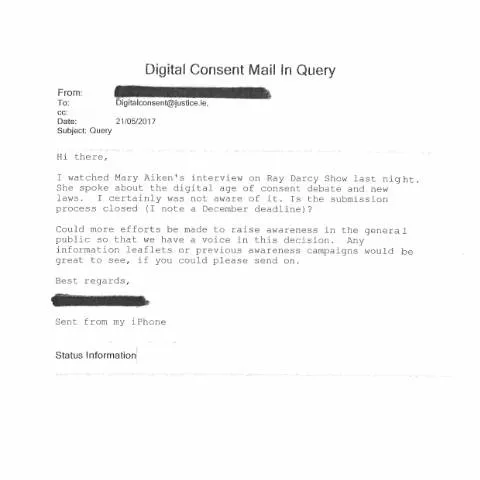
Navigating the Consultation on Data Protection Safeguards for Children
In an era dominated by digital engagement, the importance of safeguarding children's data cannot be overstated. The Consultation on Data Protection Safeguards for Children, often referred to as the “digital age of consent,” represents a pivotal opportunity for stakeholders to contribute to the framework that governs how children's data is used and protected. This document serves as a crucial conduit for parents, guardians, educators, and advocates to voice their opinions and concerns regarding data protection protocols.
Understanding the Landscape: What Sets This Consultation Apart?
The Consultation on Data Protection Safeguards for Children is distinct from other regulatory forms and consultations due to its specific focus on the intersection of child welfare and digital privacy. Unlike broader consultations that may touch on various demographics or issues, this document zeroes in on the unique challenges faced by minors in a rapidly evolving digital landscape.
- Target Audience: The primary audience for this consultation includes parents and guardians, child protection advocates, educators, and stakeholders in digital platforms.
- Urgency of Participation: Given the pressing nature of digital consent issues, timely participation can significantly influence policy outcomes.
The Role of Stakeholders in the Consultation Process
Stakeholders play a critical role in shaping the outcomes of this consultation. By articulating their views, they contribute to a framework that not only considers legal compliance but also the ethical implications of data usage involving children.
- Parents and Guardians: Their insights are invaluable, as they provide perspectives on how data practices affect children's safety and privacy.
- Educators: They can highlight the impact of digital consent on educational tools and platforms used in schools.
- Child Advocates: Their expertise helps ensure that the voices of the most vulnerable are heard and prioritized.
Completing the Consultation Document: A Step-by-Step Guide
Filling out the consultation document may seem daunting, but a clear understanding of its sections can facilitate the process. Each part is designed to gather specific insights.
Preparation Before Submission
Before delving into the actual filling out of the document, it is essential to gather all necessary information. This might include:
- Your Perspective: Consider your views on current data protection practices and any personal experiences that highlight gaps or areas for improvement.
- Supporting Data: Having relevant statistics or anecdotes can strengthen your submission.
Filling Out the Document
The document typically includes sections such as:
- Personal Information: Details like name, contact information, and affiliation (if applicable).
- Opinion Sections: Specific questions aimed at gauging perspectives on various issues related to child data protection.
- Suggestions for Improvement: Space for you to propose actionable solutions based on your insights.
The Submission Process: Channels and What to Expect
Once the consultation document is complete, the next step is submission. Understanding the different channels available can streamline this process considerably.
Online vs. Paper Submissions
| Channel | Advantages | Disadvantages |
|---|---|---|
| Online Submission |
|
|
| Paper Submission |
|
|
What Happens After Submission?
After submitting your views, it’s essential to know the next steps in the consultation process. The Department of Justice, Home Affairs and Migration will typically review all submissions, the outcomes of which can significantly influence policy developments.
Evaluation and Feedback Loop
The department is tasked with collating all responses and analyzing them for trends and common themes. They may provide feedback or summaries of the consultation findings through public channels. This transparency helps participants understand how their contributions affected policy discussions.
Addressing Concerns: Handling Refusals or Amendments
In circumstances where submissions are met with challenges—be it technical issues, missing information, or refusals—it’s crucial to know how to rectify these problems. Understanding the avenues available for addressing these issues can alleviate stress during the consultation process.
Common Issues and Solutions
- Technical Errors: If you encounter issues submitting online, contact the technical support team listed on the consultation page.
- Missing Information: If your submission is deemed incomplete, you may receive a notification with instructions on how to provide the necessary details.
- Refusal to Accept Submission: If a submission is rejected, you typically have the right to appeal or provide clarifications. Check the guidelines provided for specific instructions.
Special Considerations: Unique Cases and Urgent Situations
While the consultation is designed to be inclusive, certain unique circumstances may require additional consideration. This section outlines how different groups can navigate the process effectively.
For Non-residents and Foreign Stakeholders
Foreign entities or individuals wishing to contribute must be aware of the legal frameworks that govern their input. It is advisable to:
- Review any specific guidelines for non-resident participants.
- Ensure compliance with local data protection regulations.
Special Circumstances for Minors
For minors wishing to have their voice heard, parental or guardian consent is often required. Here’s how this can be managed:
- Parental Involvement: Parents should encourage minors to articulate their views clearly, possibly drafting the submission together.
- Educational Institutions: Schools may facilitate discussions and submissions from students, providing a structured environment to express concerns.
Timelines: Key Dates and What to Expect
The timeline for this consultation is crucial to follow. Awareness of key dates can assist participants in planning their submissions effectively.
Important Dates to Remember
- Start Date: The consultation period typically opens on a specified date, allowing for submissions to begin.
- Submission Deadline: All contributions must be submitted by a certain date, often detailed in the initial announcement.
- Feedback Release: Expect to see a summary of findings published after the review period has concluded.
Final Thoughts on Participation
Engaging in the Consultation on Data Protection Safeguards for Children is not just about compliance; it is an opportunity to influence significant policy decisions affecting the youngest members of society. By participating, stakeholders can contribute to a framework that prioritizes the safety and privacy of children in a digital world. Each voice counts, and through collective effort, we can ensure that the future of data protection is robust, inclusive, and driven by the needs of those it aims to serve.
Understanding the Digital Age of Consent in Ireland
The concept of a digital age of consent is pivotal in the context of children's rights and data protection in Ireland. As a member of the European Union, Ireland's data protection framework aligns with the General Data Protection Regulation (GDPR), which stipulates that children merit specific protection regarding their personal data. Under Article 8 of the GDPR, the digital age of consent is set at 16 years, allowing EU member states to adjust this age down to as low as 13 years. In Ireland, the current age of consent for data processing is established at 16 years, which is particularly important for social media platforms, gaming services, and other online services that target younger audiences.
To comply with these regulations, organizations and service providers must implement age verification mechanisms and obtain parental consent before processing the personal data of children who are below the designated age threshold. This raises a multitude of considerations, particularly regarding the methods of age verification, the ethical implications of data collection, and the responsibilities of both parents and providers in safeguarding children's digital experiences.
Age Verification Mechanisms and Their Implications
There are several methods that service providers may use to verify the age of users: self-reporting, third-party verification, and more robust methods involving identity verification documentation. Each approach comes with its own set of challenges and implications for privacy and user experience.
Self-reporting, where users declare their age, is the simplest method but lacks reliability. This approach may lead to misrepresentation, where children could easily bypass age restrictions by falsely claiming to be older. Third-party verification services can provide a more reliable method but may inadvertently expose sensitive information—an outcome that contradicts the very purpose of protecting children's data.
The most robust methods, such as requiring a government-issued ID or using biometric data, raise significant concerns regarding privacy and data protection. These methods necessitate stringent security measures to ensure that sensitive data is not misused or breached. Therefore, it is crucial for organizations to balance effective age verification with maintaining the privacy and rights of the child.
Role of Parents and Guardians in Digital Consent
In the context of the digital age of consent, the role of parents and guardians is paramount. They are expected to take an active part in monitoring their children's online activities and understanding the implications of consent in a digital environment. This responsibility is not only about granting permission but also about being informed advocates for their children's best interests.
The Irish government and various stakeholders offer resources and guidance for parents to help them navigate the complexities of digital consent. This includes understanding the types of online services their children may engage with and the data these services collect. Parents must be educated about their rights and the capabilities available to them to manage their children's online presence.
Moreover, ongoing dialogue between parents, children, and service providers can foster a safer online environment. Encouraging children to discuss their digital experiences with their parents can promote awareness and responsible digital citizenship. As the digital landscape evolves, so too must the strategies parents use to protect their children's privacy and data.