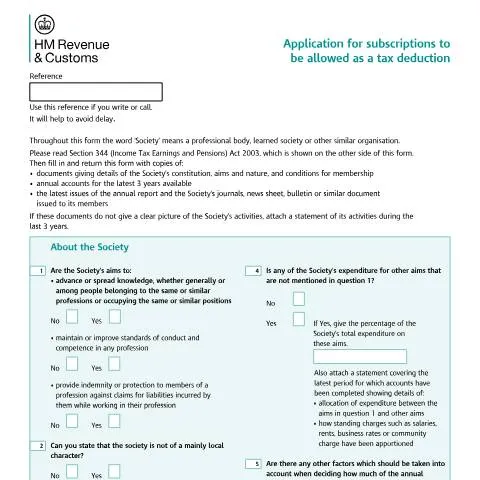
Professional Bodies Seeking Tax Relief: When Membership Subscriptions Become Deductible Expenses
Every year, countless professionals across the UK pay substantial subscriptions to maintain their membership in chartered institutes, learned societies, and professional bodies. What many don't realise is that these payments could become tax-deductible expenses for their members – but only if the organisation has secured formal approval from HM Revenue & Customs under Section 344 of the Income Tax (Earnings and Pensions) Act 2003.
This approval process represents a crucial gateway that determines whether a doctor's subscription to the Royal College of Physicians, an engineer's membership of the Institution of Civil Engineers, or a solicitor's fees to the Law Society can legitimately reduce their taxable income. For professional organisations, securing this approval transforms membership subscriptions from a personal expense into a workplace benefit that directly impacts their members' take-home pay.
The application requires organisations to demonstrate that their activities align with specific statutory objectives: advancing knowledge within their profession, maintaining standards of conduct and competence, or providing professional indemnity protection. However, the devil lies in the detail – and HMRC's assessment process scrutinises everything from constitutional documents to financial accounts spanning three years.
Statutory Framework: Understanding Section 344's Three Core Objectives
The legal foundation for subscription tax relief rests on three distinct objectives outlined in Section 344 of the Income Tax (Earnings and Pensions) Act 2003. Professional bodies must demonstrate that their activities are wholly or mainly directed towards at least one of these purposes.
Knowledge Advancement and Dissemination
The first objective encompasses organisations that advance or spread knowledge, either generally or among professionals in similar fields. This covers traditional learned societies like the Royal Society, professional institutions offering continuing professional development, and bodies that publish research journals or technical guidance. The key test is whether the organisation actively contributes to expanding the knowledge base within its field, rather than simply facilitating networking or social activities.
Professional Standards and Competence
Maintaining or improving standards of conduct and competence represents the second qualifying objective. This typically applies to regulatory bodies, chartered institutes that set professional qualifications, and organisations that enforce codes of conduct. Examples include bodies that investigate professional misconduct, set examination standards, or maintain registers of qualified practitioners. The organisation must demonstrate active involvement in standard-setting rather than passive membership administration.
Professional Indemnity and Protection
The third objective covers organisations providing indemnity or protection against professional liability claims. This includes professional indemnity insurance schemes, legal defence funds, and mutual protection societies. However, commercial insurance companies cannot qualify under this provision – the protection must be provided by a body of persons rather than a commercial entity operating for profit.
| Qualifying Activity | Examples | Key Evidence Required |
|---|---|---|
| Knowledge advancement | Publishing journals, research funding, conferences | Publications list, research expenditure, educational programmes |
| Professional standards | Setting qualifications, disciplinary procedures, codes of conduct | Examination records, disciplinary statistics, regulatory framework |
| Professional protection | Indemnity schemes, legal defence funds, mutual insurance | Claims statistics, protection coverage, fund management accounts |
Application Requirements: Beyond the Basic Form
While the application form itself appears straightforward, the supporting documentation requirements reveal the complexity of HMRC's assessment process. Organisations must provide a comprehensive picture of their activities, governance, and financial position spanning the previous three years.
Constitutional and Governance Documents
HMRC requires detailed documentation of the organisation's constitution, aims, and membership conditions. This goes beyond simply submitting articles of association – the revenue authority needs to understand how the organisation operates in practice. Royal Charter documents, memoranda of association, detailed rules and regulations, and any amendments made in recent years must all be included. The documentation must clearly demonstrate that the organisation's stated objectives align with Section 344's qualifying purposes.
Financial Accountability Through Three-Year Accounts
The requirement for three years of annual accounts serves multiple purposes. HMRC uses these documents to verify that activities are carried on otherwise than for profit and to assess what proportion of expenditure relates to qualifying activities versus other purposes. Organisations that allocate significant resources to non-qualifying activities may find their approved subscription amount reduced proportionally.
Standing charges such as salaries, rent, and business rates must be clearly apportioned between qualifying and non-qualifying activities. Where this apportionment isn't evident from the main accounts, organisations must provide a detailed breakdown showing how these costs have been allocated. This requirement often catches organisations off-guard, particularly those with diverse activities spanning multiple objectives.
Publications and Member Communications
Recent issues of annual reports, professional journals, newsletters, and bulletins provide HMRC with insight into the organisation's day-to-day activities and member engagement. These publications often reveal activities not immediately apparent from constitutional documents or financial statements. Technical journals demonstrate knowledge advancement activities, while disciplinary reports in newsletters evidence standards maintenance functions.
Profit Activities: Navigating Commercial Ventures Within Professional Bodies
One of the most complex aspects of the application process involves addressing any commercial activities undertaken by the organisation. The statutory requirement that activities be carried on otherwise than for profit doesn't necessarily exclude all revenue-generating ventures, but it requires careful analysis and transparent disclosure.
Many professional bodies operate commercial subsidiaries, provide paid services to members, or generate income from conferences and training events. These activities don't automatically disqualify an organisation, but they must be properly structured and proportionate to the organisation's overall activities. HMRC particularly scrutinises organisations where commercial activities appear to be the primary focus rather than incidental to professional objectives.
Trading subsidiaries that donate their profits to the parent organisation typically don't affect eligibility, provided the charitable or professional body itself isn't directly engaged in commercial activities. However, organisations must clearly demonstrate the separation between commercial and professional activities, often requiring detailed explanations of corporate structures and profit distribution mechanisms.
Local Character Test: Establishing National or International Scope
The requirement that organisations not be of a mainly local character reflects Parliament's intention that tax relief should support bodies serving broader professional communities rather than purely regional interests. However, determining what constitutes "mainly local character" involves more nuanced analysis than simple geographical boundaries.
Regional professional groups with national affiliations may qualify if they contribute to broader professional objectives, while national organisations with predominantly local membership might face challenges. HMRC considers factors including membership distribution, activity scope, influence within the profession, and relationships with other professional bodies. An organisation serving a specialised professional niche across the UK would likely qualify, while a regional chamber of commerce might struggle to meet this test.
International professional bodies generally satisfy this requirement easily, but they must still demonstrate that their UK activities provide direct benefit to UK-based members' professional practice. The key test is whether the organisation's influence and activities extend meaningfully beyond a specific locality, regardless of where members happen to be geographically concentrated.
Assessment Process: From Application to Approval Decision
Once HMRC receives a complete application, the assessment process typically involves detailed review by specialists familiar with professional body structures and tax relief provisions. The timeframe for decisions isn't specified in the legislation, but organisations should expect several months for complex applications involving mixed activities or novel professional areas.
Proportional Approvals and Partial Relief
Where organisations engage in significant non-qualifying activities, HMRC may approve only a proportion of the annual subscription for tax relief. This proportional approach requires careful analysis of expenditure allocation, often involving negotiations between HMRC and the organisation about appropriate percentage splits. The determination considers both the proportion of activities directed to qualifying objectives and the corresponding expenditure allocation.
Organisations receiving proportional approvals must clearly communicate to members which portion of their subscription qualifies for tax relief. This creates ongoing administrative obligations, as members need accurate information for their self-assessment returns or PAYE coding adjustments. The approved proportion may be reviewed if the organisation's activities or expenditure patterns change significantly.
Retrospective Effect and Timing Considerations
Section 344(7) provides valuable protection for organisations and their members during the application period. Subscriptions paid after an organisation applies for approval but before receiving it are treated as payments to an approved body, provided approval is ultimately granted. This retrospective effect also covers subscriptions paid in the same tax year as the application, even if paid before the application was submitted.
This timing provision encourages organisations to apply promptly rather than delaying while members miss potential tax relief opportunities. However, it also means that rejected applications can leave members who claimed relief in potentially problematic positions, requiring amended tax returns or PAYE adjustments.
Ongoing Compliance: Maintaining Approval Status
Securing initial approval represents only the beginning of an ongoing relationship with HMRC regarding subscription tax relief. Section 345 empowers HMRC officers to withdraw approvals or vary determinations to reflect changing circumstances, creating continuing compliance obligations for approved organisations.
Change of Circumstances Notifications
Professional bodies must monitor their activities and financial position to identify changes that might affect their approval status. Significant alterations to constitutional objectives, major changes in activity focus, or substantial increases in commercial activities could trigger review processes. While there's no formal requirement to notify HMRC of minor changes, prudent organisations maintain dialogue with the revenue authority about significant developments.
Mergers between professional bodies create particular complexity, as the merged organisation may need fresh approval even if both predecessor bodies held approvals. Similarly, organisations that establish new commercial subsidiaries or significantly expand their activity scope should consider whether their existing approvals remain appropriate.
Appeals and Review Procedures
Organisations dissatisfied with HMRC decisions have 30 days from the decision notice to lodge appeals. The appeals process follows standard tax tribunal procedures, allowing organisations to challenge both initial refusals and subsequent withdrawal decisions. However, the specialist nature of professional body activities means appeals often involve complex arguments about activity classification and expenditure allocation.
The appeals deadline is strict, and organisations must ensure they understand the full reasoning behind HMRC's decision before determining whether to appeal. Partial approvals might be worth accepting rather than risking complete rejection through unsuccessful appeals, particularly given the retrospective effect provisions that protect members' tax positions.
Strategic Implications: Maximising Member Benefits Through Effective Applications
For professional bodies, securing Section 344 approval represents more than administrative compliance – it provides tangible value to members while potentially influencing recruitment and retention strategies. The tax relief can be worth several hundred pounds annually for higher-rate taxpayers, making membership significantly more attractive compared to non-approved competitors.
Organisations should consider structuring their activities and financial reporting to optimise their chances of full approval rather than proportional relief. This might involve establishing separate commercial subsidiaries, clearly segregating different types of activities, or restructuring expenditure allocation methods to better demonstrate the proportion devoted to qualifying objectives. However, such restructuring must reflect genuine operational changes rather than artificial arrangements designed solely to secure tax advantages.
The competitive advantage provided by approved status creates incentives for professional bodies to maintain clear focus on their core professional objectives while managing any commercial activities carefully. Members increasingly expect their professional subscriptions to qualify for tax relief, making approval status a significant factor in professional body sustainability and growth strategies.
Timing Your Application and Annual Renewal Requirements
The timing of your professional organisation's application can significantly impact both the approval process and the tax relief benefits available to your members. HMRC recommends submitting applications well in advance of your intended start date for offering tax relief, as the assessment process typically requires several months to complete thoroughly.
For new organisations seeking approval, the ideal timeframe is to submit your application at least six months before you plan to begin operations or before your members need to claim tax relief on their subscriptions. This buffer period allows for any additional documentation requests, clarifications, or modifications that HMRC may require during their evaluation.
Existing organisations must be particularly mindful of renewal deadlines. HMRC requires approved professional bodies to reconfirm their eligibility annually, typically before the start of each new tax year on 6 April. The renewal process involves submitting updated information about your organisation's activities, membership criteria, and any changes to your professional standards or educational programmes.
During the renewal assessment, HMRC will scrutinise whether your organisation has maintained the same level of professional standards that warranted initial approval. This includes reviewing any disciplinary actions taken against members, updates to your code of conduct, and evidence that your educational or training programmes continue to meet professional development standards.
Organisations experiencing significant changes during the year—such as mergers with other professional bodies, substantial modifications to membership criteria, or alterations to professional standards—should notify HMRC promptly rather than waiting for the annual renewal. Failure to report material changes could result in retrospective withdrawal of tax relief approval, potentially affecting members who have already claimed relief on their subscriptions.
The seasonal nature of tax relief claims also influences optimal timing strategies. Many members claim their subscription relief through Self Assessment returns submitted by 31 January following the end of the tax year. Therefore, having confirmed approval status well before this deadline ensures members can confidently include their subscription costs in their tax calculations.
For organisations operating on different financial years from the standard UK tax year, particular attention must be paid to aligning subscription periods with tax relief eligibility periods. Members can only claim relief for the portion of their subscription that falls within the approved period, which may require pro-rata calculations for subscriptions spanning multiple tax years.
Common Rejection Reasons and How to Strengthen Your Application
Understanding the most frequent grounds for application rejection enables professional organisations to build stronger cases for tax relief approval from the outset. HMRC's assessment process follows strict criteria, and applications often fail due to preventable oversights or insufficient documentation rather than fundamental ineligibility.
The most common rejection reason relates to inadequate demonstration of professional standards enforcement. Many applicant organisations submit impressive codes of conduct and professional frameworks but fail to provide evidence of active monitoring and disciplinary procedures. HMRC requires concrete examples of how professional standards are maintained in practice, including documentation of investigations into member conduct, sanctions imposed for breaches, and ongoing monitoring mechanisms.
Educational requirements represent another frequent stumbling block. Organisations must demonstrate that membership requires specific qualifications, ongoing professional development, or both. However, simply stating educational requirements isn't sufficient—HMRC expects detailed evidence of how these requirements are verified, monitored, and updated to reflect evolving professional standards.
Membership criteria that are too broad or poorly defined often lead to rejection. HMRC seeks organisations that serve clearly defined professional groups rather than general interest associations. Applications must articulate precisely who qualifies for membership and how this relates to specific professional competencies or roles within defined industries or sectors.
Financial transparency issues also trigger rejections. Organisations must demonstrate that subscription fees are used primarily for professional development, standards maintenance, and member services rather than commercial activities or general lobbying. Detailed financial breakdowns showing how subscription income supports qualifying activities significantly strengthen applications.
To address these common pitfalls, successful applications typically include comprehensive appendices containing sample disciplinary case studies (appropriately anonymised), detailed curriculum outlines for continuing professional development programmes, and clear organisational charts showing how professional standards oversight functions within the organisation's governance structure.
Geographic scope can present challenges for organisations with international membership or those seeking to expand beyond the UK. HMRC approval specifically covers tax relief for UK taxpayers, but the organisation's activities and standards must be clearly relevant to professional practice within the UK context, even if the organisation operates internationally.
Documentation quality significantly impacts assessment outcomes. Applications supported by professional legal opinions on regulatory compliance, independent auditor reports on financial management, and testimonials from established professional bodies or regulatory authorities demonstrate thorough preparation and enhance credibility with HMRC assessors.
Managing Member Communications and Compliance Responsibilities
Once HMRC grants tax relief approval, professional organisations assume ongoing responsibilities for member communications and compliance monitoring that extend far beyond the initial application process. These obligations require systematic approaches to ensure both the organisation and its members maintain eligibility for tax relief benefits.
Clear member communication protocols are essential from the moment approval is granted. Members need precise information about how to claim tax relief on their subscriptions, including specific guidance for different taxpayer categories. PAYE employees typically claim relief through their Self Assessment returns or by requesting coding adjustments from HMRC, while self-employed members include subscription costs as allowable business expenses.
Organisations must develop standardised documentation that members can use to support their tax relief claims. This includes detailed receipts showing the subscription amount, confirmation of the organisation's HMRC approval status, and clear statements distinguishing between tax-relievable professional subscriptions and any additional services or products that don't qualify for relief.
The complexity increases for organisations offering tiered membership structures or bundled services. Members must understand precisely which portions of their payments qualify for tax relief—professional membership fees typically qualify, while costs for commercial services, social events, or publications may not. Organisations need robust accounting systems to provide members with accurate breakdowns of their tax-relievable expenses.
Ongoing compliance monitoring requires systematic tracking of member eligibility. Professional organisations must maintain current records demonstrating that members continue to meet the professional criteria that warranted initial approval. This includes monitoring changes in member employment status, professional qualifications, and adherence to continuing professional development requirements.
Data protection obligations under UK GDPR and the Data Protection Act 2018 add additional complexity to member management responsibilities. Organisations must balance their need to verify member eligibility and maintain compliance records with strict requirements for data minimisation and purpose limitation in their data processing activities.
Regular member surveys and feedback mechanisms help organisations identify potential compliance issues before they become problematic. Members experiencing changes in their professional circumstances, employment status, or tax situations may need guidance on how these changes affect their tax relief eligibility.
Dispute resolution procedures become crucial when questions arise about member eligibility or professional standards compliance. Organisations must maintain fair and transparent processes for addressing challenges to membership status or disciplinary actions that could affect members' tax relief entitlements.
The administrative burden extends to maintaining current information with HMRC about organisational changes that might affect approval status. This includes updates to membership criteria, changes in professional standards, modifications to educational requirements, and any significant changes to the organisation's structure or governance arrangements.