Diving into the Bovine and Boar Semen Licensing Application
The process of applying for approval to use bovine animals in semen collection is a critical aspect of livestock management and agricultural production in the UK. This procedure, governed by the Animal and Plant Health Agency (APHA), is essential for ensuring the health and traceability of livestock. Understanding this application not only serves those involved in breeding but also the wider agricultural community. This article will guide you through the nuances of this important document and the steps necessary for its completion.
The Distinct Role of the Bovine Semen Application
While there are various forms related to animal health and breeding, the application for approval to use a bovine animal in semen collection stands out due to its specific regulatory requirements. Unlike general livestock registration forms, this application addresses the complexities involved in the breeding process, namely health checks and licensing associated with semen collection.
- Health Regulations: The form enforces compliance with veterinary checks mandated by The Bovine Semen (England) Regulations 2007.
- Traceability: Ensures that all animals are accounted for, reducing the risk of disease transmission and ensuring that any exported semen meets international standards.
With this in mind, it becomes clear that this application is not merely administrative; it serves public health and trade integrity, making thorough understanding essential for all stakeholders.
Who Initiates the Application Process?
The owner of the bovine animal or their authorized agent is the designated individual responsible for submitting the application. This includes farmers, breeders, and veterinary agents who play a pivotal role in the livestock industry.
It’s crucial to note that each application must pertain to a single bovine animal, ensuring that health assessments and breeding standards are meticulously observed for each subject.
Decoding the Application Form: A Section-by-Section Breakdown
Understanding the structure of the application form is vital for ensuring correct completion. Each section serves a specific purpose and needs careful attention to detail:
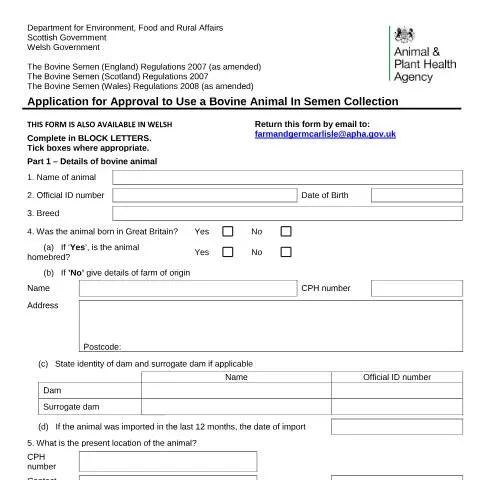
Part 1: Details of the Bovine Animal
- Name of Animal: The proper identification of the animal, including its official ID number and date of birth, serves as the cornerstone of your application.
- Breed: Specifying the breed aids in determining compliance with various agricultural standards.
- Origin and Location: This requires information on whether the animal was born in Great Britain, details about the farm of origin, and current location. Be meticulous—incorrect details can delay processing.
Part 2: Blood Sampling and Veterinary Input
This section requires the applicant to specify who will be responsible for carrying out blood sampling. Options include:
- Official Veterinarian
- Centre Veterinarian
- APHA Veterinarian
Understanding the implications of each choice is important, as the selected veterinary expert will conduct tests that must comply with regulatory standards. Make sure to provide accurate contact information to facilitate communication.
The Timeline: From Submission to Approval
The submission process is clear-cut but comes with its own timelines. Typically, a minimum of six weeks is required for the completion of veterinary checks and for the application to be reviewed. Stakeholders should plan accordingly, as any delays in submitting the application can impact breeding schedules.
- Initial Processing: Upon submission, the application enters a review phase, during which veterinary checks are conducted.
- Approval Notification: If approved, the applicant will receive formal notification, allowing them to proceed with semen collection.
- Next Steps: In the case of disapproval, applicants will be informed of the reasons and may have the opportunity to rectify issues and resubmit.
Choosing Your Submission Channel: Online vs. Paper
Submitting your application can be done either via email or by postal mail. While electronic submission is often quicker, it’s essential to understand the nuances of both methods:
| Method | Advantages | Considerations |
|---|---|---|
| Email Submission | Faster processing times, immediate confirmation of receipt | Ensure all documents are attached; check spam for replies |
| Postal Submission | Physical records of submissions, good for complex documents | Longer processing time; risk of postal delays |
Ultimately, the choice between email and postal submission will depend on your specific circumstances and preferences.
Regulatory and Historical Context
This application ties back to a framework of regulations designed to protect animal health and public safety. The Bovine Semen (England) Regulations 2007 and its amendments set forth stringent guidelines that necessitate these applications. The historical context of livestock management in the UK has evolved to prioritize biosecurity and health standards, reflected in this application process.
Understanding this context helps applicants appreciate the importance of compliance and encourages adherence to the guidelines set forth.
Special Considerations: Unique Scenarios in Application
While the process for most applicants is straightforward, there are unique scenarios that may complicate the application:
- Import Procedures: If the bovine animal was imported within the last 12 months, additional documentation may be required.
- Veterinary Complications: Should there be any health concerns or anomalies associated with the animal, early consultation with a veterinary professional is advisable.
- Complex Ownership Structures: In cases involving multiple owners or agents, clarity in representation is crucial.
Addressing these particular situations proactively can prevent delays and complications in the approval process.
Your Responsibilities Post-Submission
Once the application is submitted, the responsibility shifts toward monitoring its progress. Here are steps to ensure your application is on track:
- Follow-Up: If you have not received a response within the expected timeframe, a follow-up with the APHA can clarify the status of your application.
- Keep Documentation Handy: Maintain comprehensive records of your submission for future reference.
- Prepare for Outcomes: Be ready to act promptly based on the outcome, whether it's approval or requests for further information.
Understanding the nuances of Bovine and Boar Semen Licensing Applications is essential for anyone involved in livestock breeding in the UK. This guide aims to provide valuable insights into the complexities involved in the application process, ensuring all stakeholders are well-prepared for compliance with the relevant regulations.
Understanding the Regulatory Framework for Bovine and Boar Semen Collection
Bovine and boar semen collection and breeding in the UK are governed by specific regulations to ensure animal welfare, genetic quality, and public health standards. The Animal and Plant Health Agency (APHA) oversees much of this regulation, aligning with the Animal Health Act 1981 and subsequent legislation. Before applying for licenses, it is crucial to understand the legal framework governing these practices, including the requirements for facilities, veterinary oversight, and record-keeping.
Facilities intending to collect semen must meet strict biosecurity protocols to prevent the spread of diseases such as Brucellosis and Tuberculosis. This includes isolating animals from potential pathogens and ensuring that all equipment is sterilized. Additionally, health declarations and veterinary inspections are required before commencing operations. Familiarity with the Code of Practice for the collection of semen from animals is essential; this document outlines standards for health, management, and welfare of both donor animals and semen processing.
Navigating the Application Process for Licensing
The application process for obtaining a license for bovine and boar semen collection is detailed and must be approached methodically. Interested parties must submit an application to the APHA, which includes comprehensive descriptions of the facility, the protocols to be used, and the individual's qualifications. The application will also require the submission of a biosecurity plan, outlining the measures taken to prevent disease transmission.
When submitting the application, be prepared to provide supporting documents, including veterinary health certificates for the donor animals and proof of compliance with health and safety regulations. The APHA may conduct an inspection to verify that the facility meets all required standards before issuing a license. It's pivotal to keep in mind that licenses are subject to renewal and regular inspections, so maintaining standards of operation is a continuing responsibility.
The Importance of Record-Keeping and Reporting Obligations
Once licensed, establishments engaged in bovine and boar semen collection must adhere to rigorous record-keeping requirements. This includes documentation of all semen collection and processing activities, along with health records of donor animals. These records are essential not only for traceability but also for compliance with the UK GDPR and the Data Protection Act 2018, as they involve personal data related to the breeders and veterinary staff involved.
Records should include information such as the date of collection, batch numbers for the semen, and health checks performed on donor animals. The APHA has the right to request these records during inspections, ensuring that all licensed operations comply with animal health standards. Additionally, any adverse events related to the semen collection or donor animals must be reported immediately, and specific protocols must be followed to address such incidents.