Understanding the A25 Licence: A Key Element in Badger Research and Conservation
Applications for wildlife licences play a crucial role in the conservation of species and the regulation of research activities. Among these, the A25 licence issued by Natural England is specifically designed for activities involving badgers, focusing on scientific research, education, and conservation. The process surrounding this licence is not only a legal requirement but also an essential element for ensuring that activities involving badgers are conducted responsibly and ethically.
Who Needs the A25 Licence and Why?
Understanding the profiles of individuals or organizations that require the A25 licence is fundamental to grasping its importance. The applicants can vary widely and may include:
- Researchers: Individuals associated with academic or private institutions conducting studies on badger populations.
- Conservationists: Those involved in wildlife management or conservation efforts focused on enhancing habitat conditions for badgers.
- Ecologists: Professionals engaged in ecological assessments, particularly in areas where badger populations are present.
- Landowners: Individuals or organizations whose land is home to badgers and who may need to conduct activities that impact these animals.
Each of these roles has distinct motivations and responsibilities, further emphasizing the necessity of the A25 licence in safeguarding badgers.
Special Cases and Exceptions
While the A25 licence is generally required for the aforementioned profiles, certain exceptions exist. For instance, general wildlife observation typically does not require a licence, provided no disturbance to the animals is intended or likely. It is important for potential applicants to clarify their specific situation with Natural England, as details regarding their intended activities will determine the necessity of the licence.
A Step-by-Step Journey: From Application to Approval
The process of obtaining the A25 licence can be daunting, especially for first-time applicants. Here’s a chronological breakdown of the key steps involved:
- Preparation: Before submitting an application, applicants should gather all necessary information, including details about their scientific intentions, methodologies, and any associated risks to badger populations.
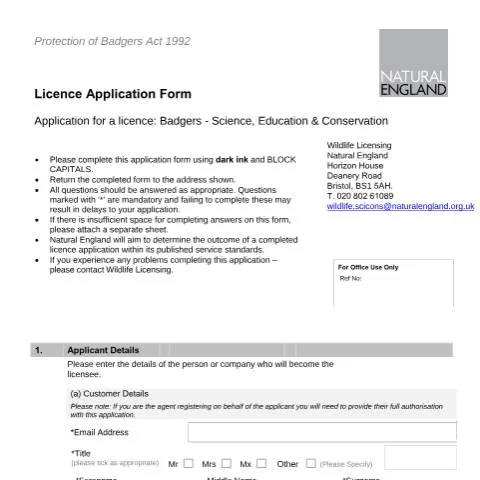
- Form Submission: Fill out the A25 application form accurately. The form is designed to collect crucial information, which includes personal details, the purpose of the research, and proposed methodologies.
- Review by Natural England: Upon submission, Natural England will assess the application based on ecological impact and adherence to conservation laws.
- Decision Notification: Applicants will receive a formal notification regarding the outcome of their application, which will detail whether the licence has been granted or denied, along with any conditions that may apply.
- Compliance and Monitoring: If approved, researchers must comply with the conditions outlined in the licence. Non-compliance can lead to legal repercussions or revocation of the licence.
Deciphering the A25 Form: Key Sections and Common Pitfalls
The A25 application form consists of several sections, each designed to gather specific information crucial for decision-making. Here’s a detailed look at the major sections:
- Applicant Details: This section requires comprehensive personal information. Ensure that all mandatory fields, indicated by an asterisk (*), are filled out accurately.
- Purpose of Research: Clearly articulate the reasons for your application. This description should include objectives, methodologies, and potential impacts on badger populations.
- Proposed Locations: Provide detailed information about where the activities will take place. This includes geographic coordinates that help Natural England assess any potential environmental implications.
Common pitfalls include incomplete forms, vague descriptions, and failure to include contact details for alternative representatives. Attention to detail is paramount, as it can significantly affect the processing time and outcome of the application.
The Timeline: When to Apply and What Happens Next
The timing of your application is crucial for ensuring that your research is conducted within desired timeframes. Here’s an overview of the timeline you should consider:
| Stage | Estimated Timeframe |
|---|---|
| Preparation of Application | 1-2 weeks |
| Processing Time by Natural England | 8-12 weeks |
| Follow-Up for Further Information (if needed) | Varies |
Following approval, the licence will specify the duration of validity, generally ranging from one year to several years, depending on the nature of activities authorized. After the approval period, researchers must reapply if they wish to continue their work.
Regulatory Context: The Legal Framework Behind the Licence
The A25 licence is not just a bureaucratic hurdle; it operates within a broader legal context focusing on the protection of badgers under the Protection of Badgers Act 1992. This act mandates that any activities potentially affecting badger populations must be regulated to prevent harm and ensure sustainability. Understanding this legal backdrop can empower applicants to appreciate the significance of compliance and proper management of wildlife.
Administrative Processing and Tracking Your Application
After submission, applicants often wonder how to monitor the progress of their applications. Natural England provides several ways to stay informed:
- Contacting Wildlife Licensing: The primary means of following up on applications involves directly contacting the Wildlife Licensing team through the provided email or phone.
- Online Tracking Tools: While specific tracking tools may not be available for every type of application, applicants can inquire if there are resources accessible for their case.
It's essential to maintain communication with Natural England throughout the process, especially in case of additional information requests or clarifications needed for the application.
Emphasising Ethical Considerations in Badger Research
Beyond the legal obligations, ethical considerations play a crucial role in badger research and conservation efforts. The importance of maintaining ecological integrity while conducting studies should not be underestimated. Researchers must prioritize the welfare of badger populations and their habitats, ensuring that any research conducted should not cause undue stress or harm to these animals.
When applying for the A25 licence, embracing a commitment to ethical research practices aligns with the overarching goals of conservation, ensuring the long-term survival of badgers in their natural environments. Thus, the A25 licence serves as a tool not only for regulatory compliance but also for fostering responsible stewardship of wildlife.
Understanding the Badger Protection Act and its Implications
The Badgers Act 1973 provides the primary legal framework for the protection of badgers in the UK. It is illegal to kill, injure, or take a badger, and this legislation reflects the commitment to conservation efforts within the country. The Act makes provisions for the prohibition of interference with badger setts, which are their burrows. This law is crucial, as badgers are often affected by human activities, habitat loss, and road traffic accidents. Thus, it's important for researchers and surveyors to understand the legalities surrounding badgers and the protective measures in place.
Under this Act, any activity that may disturb badgers or interfere with their natural environment, such as the surveying or researching of badger populations, requires a specific licence. This ensures that researchers conduct their work ethically and responsibly, keeping the welfare of the badgers and the integrity of their habitats at the forefront. The Natural England agency is responsible for issuing such licences, and applicants must demonstrate a clear understanding of the legislation, as well as a detailed methodology for their proposed activities.
Application Process for Badger Survey Licences
Applying for a badger survey licence (A25) involves several steps that applicants must carefully navigate to ensure successful approval. The initial step is to prepare a robust Application Form, which must detail the objectives of the survey, the methods to be used, and the anticipated impact on badger populations and their environments. Additionally, it is essential to outline the measures that will be taken to mitigate any potential disturbance to badgers during the survey.
One key component of the application is the requirement for a survey methodology that aligns with best practices in wildlife research. This often includes using non-invasive techniques for observation and data collection, which reduces stress on the animals and minimizes disruption. Applicants should also be prepared to provide evidence of previous experience or qualifications that demonstrate their capability to conduct such surveys responsibly.
Upon submission, the application will be assessed by Natural England, which may take several weeks to process. During this period, applicants should be prepared to answer follow-up questions or provide additional information if requested. It is crucial to pay attention to any guidance issued by Natural England, as failure to comply with their regulations can lead to rejection of the application or, worse, legal repercussions.
Impact Assessments and Ethical Considerations
Before proceeding with badger surveys, it is important to conduct an ecological impact assessment. This assessment should evaluate how the proposed activities may affect local badger populations and their habitats. The results of these assessments inform the planning phase of the research and help ensure compliance with the law. A thorough impact assessment not only safeguards the badger populations but can also enhance the credibility of the research by demonstrating a commitment to ethical standards.
Additionally, researchers are encouraged to consider the ethical implications of their work. Engaging with local communities and stakeholders can foster transparency and build trust. It is beneficial for researchers to conduct outreach efforts to educate the public about the importance of badger conservation and how their work contributes to broader ecological goals.
Documentation of ethical considerations should be included in the application for the A25 licence, detailing how researchers plan to address any potential concerns regarding disturbance to badgers and their habitats. This ensures that all activities are conducted within a framework that prioritizes the welfare of the species and the preservation of their natural setting.