Navigating the Complex Landscape of Military Aviation Safety Training
When military personnel, contractors, or civilian staff encounter the Ministry of Defence's aviation operations, they enter a world where safety protocols are not merely guidelines but legal imperatives. The Military Aviation Authority (MAA) course application forms represent the gateway to specialised training programmes that determine who can authorise flights, investigate incidents, or manage airworthiness across the UK's defence aviation sector. These applications are far more than administrative paperwork—they serve as the first filter in a rigorous selection process that upholds the highest safety standards in military aviation.
The MAA's comprehensive training ecosystem spans from fundamental awareness courses to advanced specialist qualifications, each requiring specific application procedures that reflect the gravity of responsibilities involved. Whether you're a duty holder seeking authorisation powers, a contractor requiring safety certification, or a technical specialist pursuing airworthiness expertise, understanding the application process is essential for career progression and operational compliance.
The Strategic Framework Behind MAA Training Applications
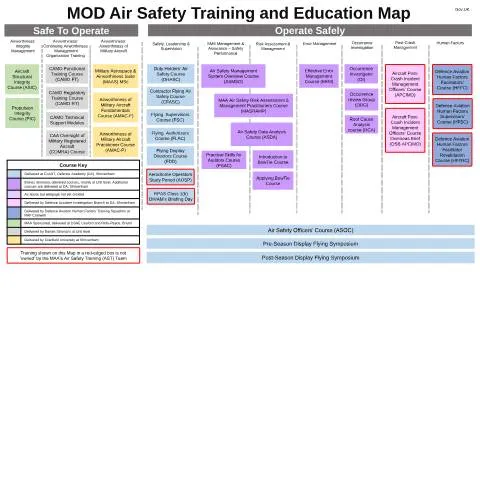
The MAA training structure operates on three distinct operational pillars: Safe to Operate, Operate Safely, and Airworthiness. Each pillar encompasses multiple courses with varying entry requirements, prerequisites, and application procedures. This stratified approach ensures that personnel receive training appropriate to their role and responsibility level within the military aviation ecosystem.
Course applications must align with specific operational needs and career pathways. For instance, someone applying for the Flying Authorizers Course (FLAC) must demonstrate different competencies than an applicant for the Aircraft Structural Integrity Course (ASIC). The application forms capture these distinctions through tailored questions about operational experience, current role responsibilities, and intended application of the training.
| Training Pillar | Target Audience | Application Complexity | Typical Prerequisites |
|---|---|---|---|
| Safe to Operate | Duty holders, supervisors | Moderate | Current role in aviation operations |
| Operate Safely | Safety officers, investigators | High | Relevant experience plus endorsement |
| Airworthiness | Technical specialists | Very High | Engineering qualification and experience |
Decoding Application Requirements Across Course Categories
The application process varies significantly depending on whether you're seeking entry to foundation courses or advanced specialist training. Foundation courses such as the Air Safety Management System Overview Course (ASMSO) typically require basic eligibility confirmation and line manager approval, whilst advanced programmes like the Military Aerospace & Airworthiness Suite (MAAS) MSc demand comprehensive documentation including academic transcripts, detailed CV, and multiple professional references.
Foundation Level Applications
For introductory courses including the Duty Holders' Air Safety Course (DHASC) and Contractor Flying Air Safety Course (CFASC), applications focus on establishing operational relevance and current role responsibilities. Applicants must demonstrate that the training directly relates to their duties and that their organisation supports their attendance. The forms typically require:
- Confirmation of current employment within defence aviation
- Description of specific duties requiring safety training
- Line manager authorisation and funding commitment
- Preferred training dates and location flexibility
Specialist Qualification Applications
Advanced courses such as the Flying Display Directors Course (FDD) or Occurrence Investigator qualification demand extensive background verification. These applications require detailed professional histories, evidence of prerequisite training completion, and sometimes security clearance confirmation. The rigorous application process reflects the significant authority and responsibility these qualifications confer upon successful candidates.
Understanding Delivery Partnerships and Venue Implications
The MAA training ecosystem involves multiple delivery partners, each with distinct application procedures and requirements. Courses delivered at the Centre of Aviation Studies and Training (CoAST) at Defence Academy Shrivenham follow different application protocols than those provided by external contractors like Baines Simmons or Cranfield University.
When completing applications, candidates must specify their preferred delivery method and location. Unit-level delivery through Baines Simmons often requires coordination with local training coordinators, whilst courses at Defence Academy Shrivenham may involve residential accommodation requirements and additional security protocols.
Specialist Venue Considerations
Certain highly technical courses, such as the Propulsion Integrity Course (PIC), are delivered at specialist facilities including Rolls-Royce Bristol. Applications for these programmes must account for additional security screening and may require specific health and safety certifications before attendance approval.
Application Timing and Course Scheduling Dynamics
The MAA operates on annual training cycles with specific application windows for different course categories. Popular courses such as the Air Safety Officers' Course (ASOC) typically have limited places and require applications several months in advance. Understanding these cycles is crucial for career planning and operational continuity.
Some courses operate on fixed annual schedules—the Pre-Season and Post-Season Display Flying Symposiums occur at predetermined times aligned with the air display calendar. Applications for these events must be submitted according to strict deadlines, often coinciding with display season planning activities.
Emergency and Expedited Applications
Whilst most MAA training follows planned schedules, operational requirements sometimes necessitate expedited training. Emergency applications for courses like the Effective Error Management Course (EEM) following significant incidents require special justification and may involve additional approval layers. These applications must clearly articulate the operational urgency and expected training outcomes.
Navigating Prerequisites and Qualification Pathways
The MAA training framework includes complex prerequisite relationships between courses. For example, progression to advanced human factors training requires completion of foundational courses, whilst airworthiness specialist roles demand specific academic qualifications alongside experiential prerequisites.
Applications must demonstrate compliance with these pathways, often requiring submission of certificates from previous courses or academic transcripts. The Defence Aviation Human Factors Facilitator Revalidation Course (HFFRC) specifically requires evidence of ongoing practice and recent facilitation experience, making the application process particularly detailed.
Cross-Service and Contractor Considerations
Applications from personnel outside the immediate MOD structure—including contractors, allied forces, and civilian specialists—require additional documentation. These might include security clearance confirmations, contractual relationship verification, and sometimes diplomatic clearances for international participants.
Post-Application Processing and Course Allocation
Following application submission, the MAA employs a structured review process that considers operational priorities, individual qualifications, and available course capacity. High-demand courses may operate waiting lists, with allocation based on operational necessity and career development requirements.
Successful applicants receive detailed joining instructions that may include pre-course reading, required equipment, and specific preparation activities. For technical courses like the Aircraft Structural Integrity Course (ASIC), pre-course preparation can be substantial and forms part of the overall qualification process.
Application Outcome Scenarios
Applications may result in immediate acceptance, deferral to later courses, or requirements for additional prerequisites. Understanding these potential outcomes helps applicants and their organisations plan effectively. Deferred applications often receive priority consideration for subsequent course iterations, provided the original justification remains valid.
Maintaining Currency and Revalidation Requirements
Many MAA qualifications require periodic revalidation or continuing professional development. The application forms capture information about previous qualifications and their currency status, ensuring that training records remain accurate and up-to-date. This is particularly critical for roles involving flight authorisation or safety oversight responsibilities.
Revalidation applications, such as those for the Human Factors Facilitator Revalidation Course, require evidence of continued practice and professional development activities. These applications often involve portfolio submissions and peer recommendations, making them more complex than initial qualification applications.
The MAA's commitment to maintaining the highest standards in military aviation safety is reflected in the thoroughness of their course application processes. Whether pursuing initial qualifications or maintaining professional currency, understanding the application requirements ensures that personnel can access the training necessary for safe and effective military aviation operations. The investment in proper application completion pays dividends in career development and, ultimately, in the safety of military aviation operations across the UK's defence forces.
Understanding MAA Course Categories and Prerequisites
The Military Aviation Authority categorises training courses into distinct streams, each requiring specific application procedures and documentation. Initial flying training courses typically demand comprehensive medical clearance through the RAF Centre of Aviation Medicine, including Class 1 medical certification valid for military aircrew. Applicants must submit Form MAA-402 alongside detailed medical history documentation, with particular attention to any previous aviation incidents or disqualifying conditions.
Conversion courses for qualified pilots follow a different pathway, requiring evidence of current flying credentials and recent flight experience. The MAA assesses civilian qualifications against military standards, often requiring supplementary training modules. Commercial pilots transitioning to military aviation must provide logbook verification covering the preceding 24 months, with minimum currency requirements varying by aircraft type.
Ground-based technical courses encompass air traffic control, aircraft maintenance, and aviation management streams. These programmes require relevant educational qualifications, typically A-levels in mathematics and physics for technical roles, or equivalent vocational qualifications. Security clearance requirements vary significantly - basic courses may accept Standard Personnel Security Standard (BPSS) clearance, whilst advanced programmes demand Security Check (SC) or Developed Vetting (DV) clearance, potentially extending application timelines by several months.
Specialist courses such as test pilot training or flight safety investigation represent the pinnacle of military aviation education. These highly selective programmes require extensive operational experience, typically 1,500+ flying hours on military aircraft, alongside demonstrated leadership capabilities and technical aptitude. Applications undergo rigorous board review, with selection rates often below 10% of qualified candidates.
Application Processing Timelines and Status Tracking
MAA course applications follow structured processing schedules that vary considerably based on course complexity and security requirements. Standard technical courses typically process within 6-8 weeks from complete application submission, though this assumes all documentation meets initial screening criteria. Incomplete applications face automatic rejection, requiring full resubmission rather than amendment.
Flying training applications involve more extensive evaluation periods, often extending 12-16 weeks due to medical board reviews and aptitude testing requirements. The MAA coordinates with multiple agencies including the Defence Medical Services and individual service recruiting offices, creating potential bottlenecks during peak application periods (typically January-March for September course starts).
Expedited processing exists for urgent operational requirements or career progression deadlines, though candidates must demonstrate genuine need through their chain of command. Emergency applications require commanding officer endorsement and detailed justification, with the MAA reserving discretion to decline expedited review.
Applicants receive automated acknowledgement within 48 hours of online submission, followed by detailed status updates at key processing milestones. The MAA portal provides real-time tracking, indicating current review stage, outstanding requirements, and projected decision dates. Common delay factors include incomplete security clearance documentation, missing medical records, or discrepancies in employment history requiring additional verification.
Appeals processes exist for declined applications, though success rates remain low without substantial new evidence or changed circumstances. The MAA maintains strict standards reflecting operational safety requirements and resource constraints, with appeals typically processed within 4-6 weeks of formal submission.
Special Circumstances and Alternative Pathways
The MAA recognises various special circumstances that may affect standard application procedures, providing alternative pathways whilst maintaining training standards. Serving personnel seeking career changes between aviation specialisations follow internal transfer protocols, often requiring release from current duties and gaining unit approval. These applications typically receive priority processing, recognising retention benefits and existing security clearances.
Reservist and part-time training opportunities operate under modified application criteria, acknowledging civilian employment constraints and availability limitations. Weekend and evening courses require different commitment levels, though maintain equivalent standards to full-time programmes. Reservist applications must include employer consent documentation and availability schedules covering the entire training period.
International students and exchange personnel face additional requirements including visa documentation and reciprocal training agreements between nations. The MAA coordinates with the Foreign, Commonwealth and Development Office to verify eligibility and security implications. Commonwealth citizens may access certain courses under historical agreements, though security-sensitive programmes remain restricted to British nationals.
Candidates with disabilities receive reasonable adjustment considerations throughout the application and training process. The MAA works with Disability Employment Advisers to assess individual requirements and identify appropriate accommodations. Medical waivers exist for specific conditions that don't compromise flight safety or operational effectiveness, requiring specialist medical board review and ongoing monitoring.
Previous military service significantly influences application assessment, with former aircrew receiving recognition for relevant experience and training. However, currency requirements still apply - pilots with extended service gaps must demonstrate recent flying activity or complete refresher training before accessing advanced courses. The MAA maintains comprehensive records of all military aviation training, enabling accurate assessment of prior qualifications and avoiding unnecessary duplication.
Civilian contractor personnel supporting military operations may access specific technical courses relevant to their roles. These applications require sponsorship from the contracting authority and clear demonstration of operational necessity. Security clearance requirements remain unchanged, often presenting the primary obstacle for contractor course access.