When Time Is of the Essence: Understanding Post-Dated Passport Arrangements
Picture this scenario: you've planned your dream wedding in the Scottish Highlands for September, followed by an immediate honeymoon to Italy. You've booked everything, but there's one crucial detail—your passport still bears your maiden name, and you want to travel as a married couple with matching surnames on your documents. This is precisely where HM Passport Office's post-dated passport service for newlyweds and civil partners becomes invaluable.
This specialised arrangement allows couples to obtain a new ten-year British passport in their married name up to three months before their ceremony takes place. The passport is issued with a future date—specifically the date of the wedding or civil partnership ceremony—meaning it cannot be used for travel until after the legal formalities have been completed. This system bridges the gap between administrative necessity and romantic planning, ensuring couples can embark on their post-ceremony travels without the typical weeks-long wait for name change documentation.
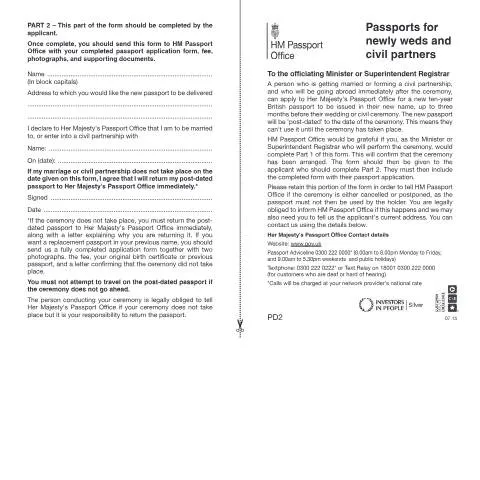
The process involves a unique two-part form that creates a legal framework connecting the officiating minister or superintendent registrar directly with HM Passport Office. This connection ensures that if circumstances change—ceremonies are postponed, cancelled, or couples separate before the wedding date—the passport authority is immediately informed and can take appropriate action to prevent misuse of the document.
The Dual Architecture: How Religious and Civil Authorities Become Passport Gatekeepers
The post-dated passport system operates through an unusual partnership between HM Passport Office and wedding officiants across England, Scotland, Wales, and Northern Ireland. Unlike standard passport applications that rely solely on documentary evidence, this process requires active participation from the person who will legally perform the ceremony.
Part 1 of the form must be completed by either a Minister of Religion or a Superintendent Registrar—the only individuals legally authorised to conduct marriages and civil partnerships in the UK. This section serves as an official confirmation that arrangements for the ceremony are genuine and have been made through proper channels. The officiant must provide their full details, including their official address, and confirm the names of both parties and the planned ceremony date.
This requirement serves multiple purposes beyond simple verification. It creates a legal obligation for the officiant to monitor the ceremony's progress and report any changes to HM Passport Office. Should the wedding or civil partnership be cancelled or postponed, the Minister or Superintendent Registrar becomes legally responsible for notifying the passport authority, ensuring the post-dated document cannot be misused.
Part 2 transfers responsibility to the passport applicant, who must declare their intention to marry or form a civil partnership with a named individual on a specific date. Crucially, the applicant agrees to return the post-dated passport immediately if the ceremony doesn't proceed as planned. This creates a dual-layer security system where both the officiant and the applicant have legal obligations to protect the integrity of the document.
Navigating the Three-Month Window: Timing Your Application Strategically
The three-month advance application window requires careful planning and presents several practical considerations that couples must navigate thoughtfully. This timeframe isn't arbitrary—it reflects the balance between providing sufficient notice for passport processing while preventing abuse of the system through overly speculative applications.
Applications submitted too early may face rejection, while those left too late risk processing delays that could jeopardise travel plans. The optimal timing typically falls around 8-10 weeks before the ceremony date, allowing for standard processing times while providing a buffer for any complications. However, couples planning destination weddings or requiring visas for their honeymoon destinations should factor in additional lead times.
| Timing Scenario | Recommended Application Window | Key Considerations |
|---|---|---|
| Standard UK ceremony with EU honeymoon | 8-10 weeks before | Standard processing, no visa requirements |
| Destination wedding abroad | 10-12 weeks before | May need visa in new name for wedding location |
| Honeymoon requiring visa | 12+ weeks before | Embassy processing times in new name |
| Peak season ceremony (summer) | 10-12 weeks before | Higher application volumes may extend processing |
Couples must also consider the implications of the post-dating system for other travel documents. If honeymoon destinations require visas, these applications cannot typically be submitted until the post-dated passport becomes valid. Some embassies and consulates may accept post-dated passports for visa processing, but this varies significantly between countries and should be confirmed well in advance.
Seasonal Variations and Processing Pressures
Wedding season patterns significantly impact passport processing times, with spring and summer months typically experiencing higher application volumes. Couples planning ceremonies between May and September should factor in potential delays, particularly for popular wedding dates such as bank holiday weekends. The traditional surge in applications following Valentine's Day proposals also creates pressure on the system during late spring.
When Plans Change: The Legal Framework for Cancelled or Postponed Ceremonies
The post-dated passport system includes robust safeguards for situations where wedding or civil partnership plans change—a reality that affects a notable percentage of couples each year. The legal framework surrounding cancelled or postponed ceremonies creates specific obligations for all parties involved and establishes clear procedures for document return and replacement.
When a ceremony is cancelled entirely, both the applicant and the officiant bear legal responsibility for notifying HM Passport Office immediately. The applicant must return the post-dated passport along with a written explanation of why the ceremony didn't proceed. This isn't simply an administrative courtesy—failure to return the document or attempting to use it after cancellation constitutes a serious breach of passport regulations.
For couples whose ceremonies are postponed rather than cancelled, the situation becomes more complex. If the new date falls within the passport's validity period and involves the same partner, HM Passport Office may allow the document to remain valid with appropriate notification and documentation. However, if the postponement extends beyond the passport's post-date or involves different partners, a complete reapplication becomes necessary.
Replacement procedures for cancelled ceremonies require submission of a new application form, two photographs, the standard fee, original birth certificate or previous passport, and a letter confirming the ceremony's cancellation. This essentially treats the situation as a completely fresh application, though processing may be expedited given the circumstances.
Financial Implications of Ceremony Changes
Changes to ceremony plans carry financial consequences beyond the emotional impact. HM Passport Office doesn't typically refund fees for post-dated passports that must be returned due to cancelled ceremonies. Couples seeking replacement documents in their previous names must pay the full application fee again, effectively doubling their passport costs.
Some couples attempt to mitigate this risk by delaying their passport application until closer to the ceremony date, but this strategy must be balanced against processing time requirements and travel booking deadlines.
Documentation Deep Dive: Supporting Evidence and Common Pitfalls
The post-dated passport application requires the same supporting documentation as standard passport applications, but with additional considerations specific to name changes and ceremony verification. Understanding these requirements prevents delays and rejections that could jeopardise travel plans.
Primary identity documents must establish both current identity and future married name eligibility. This typically requires a birth certificate showing current legal name, plus evidence of the planned name change through the completed ceremony form. For individuals who have previously changed names through deed poll or other legal processes, additional documentation may be required to establish the chain of name changes.
Photographic evidence follows standard passport requirements—recent colour photographs meeting official specifications, countersigned if required based on the applicant's circumstances. However, couples should ensure photographs are taken reasonably close to the application date, as significant appearance changes between application and ceremony could potentially cause complications during document verification.
Ceremony documentation presents unique challenges, as the officiating minister or superintendent registrar must complete their portion before the applicant can proceed. This creates a dependency that couples must manage carefully, particularly when dealing with busy religious institutions or registry offices during peak wedding season.
Special Circumstances and Complex Cases
Certain situations require additional documentation or special handling procedures. Couples where one or both partners hold dual nationality may face complications if their other citizenship affects name change protocols. Military personnel serving overseas may need additional documentation to confirm ceremony arrangements and delivery addresses.
Divorced individuals planning remarriage must provide evidence of divorce finalization, while those whose previous marriages were annulled require specific legal documentation. These situations often extend processing times and may require legal verification that standard applications don't encounter.
The Registry Office Connection: Understanding Superintendent Registrar Responsibilities
Superintendent Registrars occupy a unique position in the post-dated passport system, serving as both wedding officiants and passport verification agents. Their role extends beyond the ceremony itself to encompass ongoing monitoring responsibilities that continue until the post-dated passport becomes valid or is returned.
Unlike Ministers of Religion who typically have ongoing relationships with couples through their congregations, Superintendent Registrars often interact with couples only during the formal registration process. This creates particular challenges for maintaining contact and fulfilling their legal obligation to notify HM Passport Office of ceremony changes.
Registry offices have developed various protocols for managing these responsibilities, from maintaining dedicated files for post-dated passport cases to establishing specific communication procedures with local passport offices. Some registrars request additional contact information from couples to ensure they can fulfil their notification obligations effectively.
The legal framework places significant responsibility on these officials, who can face professional consequences for failing to report cancelled or postponed ceremonies appropriately. This has led many registry offices to implement enhanced verification procedures and maintain detailed records of all post-dated passport confirmations they provide.
Regional Variations in Registry Office Procedures
Different registry offices across England, Wales, Scotland, and Northern Ireland have developed varying approaches to managing post-dated passport responsibilities. Some maintain dedicated databases tracking ceremony dates and passport applications, while others rely on paper-based filing systems that require manual monitoring.
Scottish registry procedures may differ slightly due to distinct legal frameworks governing marriage and civil partnerships north of the border. Couples planning ceremonies in Scotland should confirm specific requirements with their local registration authority to ensure compliance with both Scottish law and UK passport regulations.
Delivery Logistics and International Considerations
The delivery of post-dated passports presents unique logistical challenges that standard passport applications don't encounter. Since the document cannot be used until after the ceremony date, timing becomes crucial for couples planning immediate post-wedding travel.
HM Passport Office typically delivers post-dated passports several weeks before the ceremony date, allowing couples to verify the document's accuracy and make any necessary corrections before their wedding day. However, this early delivery creates security considerations—couples must store their post-dated passport safely while ensuring it doesn't accidentally get used for travel before the ceremony date.
International delivery options become relevant for couples planning destination weddings or those who have relocated abroad before their ceremony. HM Passport Office can arrange international delivery to most countries, though this service incurs additional fees and may extend processing times significantly.
Couples planning destination weddings face particular challenges, as they may need their new passport for travel to the wedding location itself. In such cases, the ceremony date and travel date alignment becomes critical, and couples may need to coordinate with wedding planners and travel agents to ensure document validity aligns with travel requirements.
Post-Ceremony Activation Procedures
While post-dated passports automatically become valid on the ceremony date, couples should understand the practical implications of this activation. The passport becomes legally valid at midnight on the ceremony date, regardless of the specific time the wedding or civil partnership ceremony takes place.
For couples planning same-day international travel after their ceremony, this timing consideration becomes crucial. Airlines and border control authorities may require evidence that the ceremony has taken place, particularly for flights departing shortly after the ceremony date begins.