When British Citizens Abroad Need to Navigate the Overseas Application Process
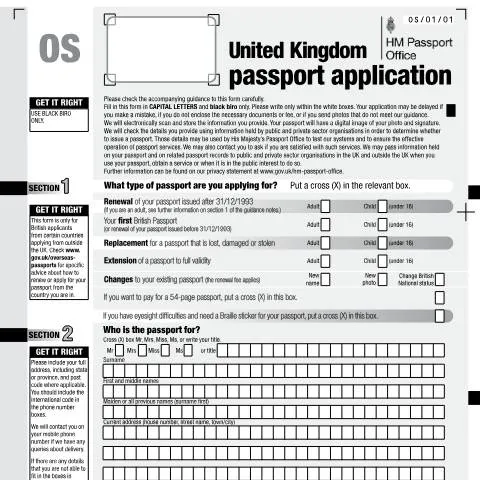
Living outside the UK as a British citizen brings unique challenges when your passport expires or requires replacement. The Applying for a passport from outside the UK: application form serves as the gateway for British nationals residing overseas who cannot access standard domestic renewal services. This document becomes particularly crucial when you're caught between international travel requirements and the practical limitations of being physically distant from UK Passport Offices.
The form addresses several distinct scenarios that overseas British citizens commonly face. Whether you're seeking your first adult British passport whilst living abroad, replacing documentation lost during international travel, or updating details following life changes, this application provides the structured pathway that HM Passport Office requires for processing overseas requests.
Geographic eligibility varies significantly depending on your current country of residence. Certain nations have specific bilateral arrangements with the UK that affect how passport applications are processed, whilst others require you to use this particular form exclusively. The preliminary guidance emphasises checking country-specific requirements at gov.uk/overseas-passports before proceeding.
Decoding the Application Categories and Their Implications
The form's opening section requires applicants to identify their specific circumstance through distinct categories, each carrying different processing requirements and documentation needs. Understanding these distinctions prevents delays and ensures your application follows the correct pathway through HM Passport Office systems.
Renewal Applications for Post-1993 Passports
Standard renewals apply when your current British passport was issued after 31st December 1993 and remains valid or expired within recent timeframes. This category typically offers the most straightforward processing route, as your existing passport number links to comprehensive digital records within the Passport Office database.
However, renewal eligibility can be affected by extended overseas residence. If you've lived outside the UK for more than 15 years, additional documentation may be required to verify your continued entitlement to British citizenship, even for straightforward renewals.
First Adult Passports and Pre-1994 Renewals
Applications for your first adult British passport, or renewals of passports issued before 31st December 1993, require substantially more supporting documentation. These applications undergo enhanced verification processes, as older passport records may lack the digital verification systems now standard in passport processing.
The form specifically requests comprehensive parental information in Section 4, including grandparental details if both parents were born after 1982 or outside the UK. This genealogical documentation helps establish your claim to British citizenship through descent, particularly relevant for those who acquired citizenship through complex inheritance rules.
Replacement for Lost, Damaged, or Stolen Passports
Lost or stolen passport applications require completion of form LS01 alongside this application. The LS01 form must be submitted before your main application can be processed, creating a two-stage submission process that overseas applicants must navigate carefully.
Damaged passport replacements typically process more smoothly, as you can submit the damaged document as evidence of your previous entitlement. However, the definition of "damaged" requires careful consideration – water damage, torn pages, or damaged chips may qualify, whilst normal wear and tear might not meet replacement criteria.
| Application Type | Additional Forms Required | Supporting Documents | Processing Complexity |
|---|---|---|---|
| Standard Renewal (post-1993) | None | Current passport, photos | Standard |
| First Adult Passport | None | Birth certificate, parental details, photos | Enhanced |
| Lost/Stolen Replacement | LS01 form | Police report, identity documents, photos | Enhanced |
| Damaged Replacement | None | Damaged passport, photos, explanation | Standard |
Technical Requirements That Can Make or Break Your Application
The form's technical specifications reflect HM Passport Office's digital processing systems and security requirements. Seemingly minor details like pen colour and letter formatting carry significant weight in the automated scanning and verification processes.
Writing Instruments and Format Requirements
Black biro exclusively – this requirement isn't merely preference but necessity for optical scanning systems. Blue ink, gel pens, or pencils can cause scanning failures that delay processing by weeks. The instruction to write in capital letters within designated white boxes ensures consistent character recognition across the automated systems.
International address formatting requires particular attention. UK residents familiar with standard postcode systems must adapt to include state or province information, international postal codes, and country designations that scanning systems can process correctly.
Digital Integration and Data Verification
The form explicitly states that information undergoes electronic scanning and storage, with details checked against both public and private sector databases. This cross-referencing system can flag inconsistencies between your application and existing records, including HMRC tax records, DVLA databases, or electoral registers.
Your digital photograph and signature become integral components of the new passport's security features. The biometric data extracted during processing links to international security databases, making photo quality and signature consistency crucial for future border crossings.
Navigating Parental Information Requirements for Citizenship Verification
Section 4's parental information requirements often perplex applicants, particularly those with complex family histories or adopted backgrounds. The depth of genealogical information requested reflects the UK's citizenship by descent rules, which can extend through multiple generations under specific circumstances.
When Grandparental Details Become Mandatory
If both parents were born after 31st December 1982 or outside the UK, comprehensive grandparental information becomes essential. This requirement stems from changes to British nationality law that affected how citizenship passes between generations. The 1982 date marks significant legislative changes that altered inheritance patterns for British citizenship.
Required grandparental details include full names, birth towns and countries, dates of birth, and marriage dates. For applicants with grandparents from different countries or complex marital histories, this documentation can become extensive. Section 8 provides overflow space, but complex cases may require separate sheets with detailed explanations.
Adoption and Non-Traditional Family Structures
Adopted applicants face particular challenges with parental information sections. Legal adoption creates new citizenship inheritance pathways, but the form requires details of adoptive parents rather than birth parents for citizenship verification purposes. Adoption certificates and legal documentation become crucial supporting evidence in these circumstances.
Civil partnerships and same-sex marriages are fully recognised within the form's structure, with Parent 1 and Parent 2 designations replacing traditional mother/father terminology. However, the dates of legal recognition vary between countries, affecting how overseas relationships are verified within UK citizenship frameworks.
Communication Preferences and Contact Protocol During Processing
The form's communication section establishes how HM Passport Office maintains contact throughout processing, particularly important given the geographical separation inherent in overseas applications. Mobile phone numbers receive priority for delivery queries, whilst email addresses enable broader communication about application status.
International Phone Number Formatting
International dialling codes must be included in all phone number fields, following ITU international standards rather than local formatting conventions. A UK mobile number would appear as +44 followed by the number without the leading zero, whilst US numbers would show +1 before the area code.
Alternative phone numbers provide backup contact options when primary numbers become unavailable due to international travel or changing circumstances. Given typical processing timeframes of several weeks, maintaining accessible communication channels prevents unnecessary delays.
Email Communication and Digital Updates
Email addresses don't require capitalisation, unlike other form sections, reflecting their technical nature. However, the address must remain accessible throughout processing, as HM Passport Office increasingly uses electronic communication for status updates and additional document requests.
Spam filtering and international email restrictions can interfere with official communications. Government emails may trigger overseas spam filters or face restrictions in certain countries, making backup communication methods essential for reliable contact maintenance.
Enhanced Security Features and Accessibility Options
Modern British passports incorporate sophisticated security features that begin with the application process itself. The form offers specific customisation options that affect both passport security and accessibility for users with particular requirements.
54-Page Passport Options for Frequent Travellers
The 54-page passport option addresses the needs of frequent international travellers who require additional visa pages. This upgrade particularly benefits business travellers, expatriate workers, or individuals residing in countries requiring multiple visa renewals throughout the passport's validity period.
Additional pages don't extend passport validity periods but provide practical advantages for those navigating complex visa requirements. Countries with full-page visa stamps or multiple entry/exit requirements can quickly exhaust standard passport pages, making the expanded format a practical necessity rather than luxury.
Braille Accessibility Features
Braille sticker options ensure passport accessibility for visually impaired holders. These tactile identifiers help users locate key passport information independently, supporting international travel confidence and security checkpoint navigation.
The Braille stickers integrate with standard passport security features without compromising document integrity or international recognition. Border control systems worldwide recognise these accessibility adaptations as legitimate security features rather than modifications.
Processing Pathways and Administrative Verification Systems
Understanding how HM Passport Office processes overseas applications helps applicants prepare for likely timeframes and potential queries. The verification systems employed for overseas applications often involve additional security checks compared to domestic processing.
Document Verification and Cross-Referencing
Submitted documents undergo verification against multiple databases, including international records where bilateral agreements exist. Birth certificates, marriage certificates, and other supporting documents may require apostille certification depending on the issuing country and current diplomatic arrangements.
The form specifically mentions checking details against both public and private sector organisations. This process can include credit reference agencies, previous passport records, consular registration databases, or tax authority records, depending on your personal circumstances and residence history.
System Testing and Service Improvement
The privacy statement acknowledges that application data may be used for system testing and service improvement purposes. This usage supports the development of more efficient processing systems and helps identify common issues faced by overseas applicants.
Follow-up satisfaction surveys may contact you after processing completion, contributing to service quality monitoring and improvement initiatives. These communications remain optional but provide valuable feedback channels for addressing overseas application challenges.
Strategic Submission Timing and Documentation Assembly
Successful overseas passport applications require careful timing and comprehensive documentation preparation. Unlike domestic applications with predictable processing windows, overseas submissions face additional variables that can significantly affect processing timeframes.
Country-Specific Processing Variations
Processing times vary substantially depending on your current country of residence and local diplomatic arrangements. Countries with British consulates may offer faster verification processes, whilst nations without UK representation may require document forwarding through third-party diplomatic channels.
Seasonal variations also affect processing, with summer months typically experiencing higher application volumes from British expatriates planning UK visits. Academic year timing, particularly around university terms, can create processing bottlenecks that extend standard timeframes.
Documentation Authenticity and International Standards
Supporting documents must meet international authentication standards, particularly for birth certificates, marriage certificates, and name change documentation. Documents issued in non-English languages require certified translations, whilst some countries' documentation requires apostille certification for UK recognition.
Photographic requirements remain consistent with domestic standards despite overseas submission. Professional photography services in your current location must understand UK passport photo specifications, including specific dimension requirements, background colours, and facial positioning standards that differ from local passport photograph conventions.
The interplay between local documentation standards and UK requirements creates complexity that careful preparation can address. Early document gathering and verification prevents last-minute delays that could affect travel plans or legal requirements dependent on passport renewal completion.
Special Circumstances and Complex Application Scenarios
Certain situations require additional documentation or modified procedures when applying for a British passport from overseas. Understanding these complexities beforehand can prevent delays and ensure your application progresses smoothly through HM Passport Office's assessment process.
First Adult Passport Applications from Abroad
If you're applying for your first adult passport whilst living outside the UK, the process involves enhanced identity verification requirements. You'll need to provide evidence of your continuous residence abroad, which might include employment contracts, utility bills, or rental agreements spanning the period since you left the UK. The application form requires detailed information about your travel history, including entry and exit stamps from your current country of residence.
For British citizens who have never held a UK passport but possess other forms of British nationality documentation (such as a Certificate of Entitlement or Letter of Entitlement), additional sections of the application form become mandatory. These sections request comprehensive details about how you acquired British nationality and may require supporting documentation from the Home Office or previous immigration records.
Applications Following Name Changes
Name change applications from overseas present particular challenges due to the need for document authentication. Whether due to marriage, divorce, deed poll, or other legal name changes, you must provide original or certified copies of the relevant legal documents. The application form includes specific sections for recording your previous names and the legal basis for each change.
For marriages conducted outside the UK, the marriage certificate often requires authentication through the local British embassy or consulate, or apostille certification depending on the country. Divorce decrees from foreign courts similarly need proper authentication. The form requires you to list all previous names used and specify the dates when each name change occurred, creating a clear chronological record for HM Passport Office verification.
Child Passport Applications: Parental Responsibility and Consent
Applying for a child's passport from abroad involves complex consent requirements, particularly in cases where parents are separated, divorced, or where parental responsibility is disputed. The application form includes detailed sections requiring information about both parents, including their current addresses, contact details, and passport numbers if available.
Where one parent has sole parental responsibility, court orders or other legal documentation must accompany the application. For children born outside the UK to British parents, additional evidence of the parents' British citizenship status becomes crucial. This might include the parents' birth certificates, naturalisation certificates, or previous British passports, all of which must be properly authenticated for overseas applications.
In situations involving international parental disputes or Hague Convention cases, the application form requires specific declarations and may need clearance from relevant authorities before processing can commence. These cases often involve extended processing times and additional security checks.
Authentication and Legalisation Requirements by Region
Document authentication requirements vary significantly depending on your country of residence, creating distinct pathways for different regions. Understanding these regional variations ensures you provide correctly authenticated supporting documents with your passport application.
European Economic Area and Switzerland
For applicants resident in EEA countries or Switzerland, document authentication often follows the Apostille Convention framework. Supporting documents such as birth certificates, marriage certificates, or change of name deeds issued by these countries typically require apostille certification from the relevant national authority before submission to HM Passport Office.
However, certain documents issued by UK authorities while you were resident in these countries may not require additional authentication. The application form includes specific questions about where each supporting document was issued, allowing you to determine the appropriate authentication pathway for each document type.
Some EEA countries have reciprocal agreements with the UK that simplify document recognition for passport purposes. These agreements may allow certain official documents to be accepted without full apostille authentication, though this varies by country and document type.
Commonwealth Countries and Former British Territories
Commonwealth countries often have streamlined authentication processes due to historical legal connections with the UK. Many retain similar legal systems and document formats that HM Passport Office readily recognises. However, the application form still requires detailed information about document origins and any local authentication that may have been applied.
For countries like Canada, Australia, New Zealand, and South Africa, certain government-issued documents may be accepted with minimal additional authentication. However, privately issued documents (such as medical certificates or employment letters) typically require notarisation by a local solicitor or commissioner for oaths, followed by authentication through the British High Commission.
Former British territories may have specific arrangements that affect document authentication requirements. The application form includes questions designed to identify whether simplified procedures apply to your particular circumstances and location.
Countries Without Apostille Convention Membership
For applicants in countries that are not party to the Apostille Convention, document authentication follows a more complex chain of certification. This typically involves local notarisation, authentication by the relevant ministry (often the Ministry of Foreign Affairs), and final certification by the British embassy or consulate.
The application form requires detailed information about this authentication chain, including the names and positions of officials who have certified each document. This information enables HM Passport Office to verify the authenticity of the certification chain and assess the reliability of the supporting documentation.
Some countries have specific bilateral agreements with the UK that modify standard authentication requirements. These agreements are reflected in the application form through country-specific questions and alternative documentation pathways.
Digital Submission Platforms and Technical Requirements
The digital transformation of passport services has introduced sophisticated online platforms for overseas applications, each with specific technical requirements and submission protocols. Understanding these systems ensures successful application submission and tracking.
Online Portal Navigation and Account Management
The HM Passport Office online portal for overseas applications requires robust account security measures, including two-factor authentication and secure password protocols. Account creation involves verification steps that may include email confirmation and identity verification questions based on UK records.
The portal's application form includes auto-save functionality, allowing you to complete the form over multiple sessions. However, incomplete applications automatically expire after a specified period, typically 30 days, requiring restart of the entire process. The system provides regular prompts about approaching expiry dates and allows you to extend the completion deadline under certain circumstances.
Document upload requirements within the portal specify exact file formats, size limitations, and resolution standards. Photographs must meet strict biometric standards, with the system providing real-time feedback about image quality and compliance. The portal includes guidance tools that help ensure uploaded images meet HM Passport Office requirements before final submission.
Integration with Overseas Post Networks
Many overseas applications integrate with local postal services and courier networks for secure document transmission. The online form generates specific reference numbers and shipping labels that must be used when sending supporting documents to designated processing centres.
The system accommodates different international shipping standards and customs requirements, providing country-specific guidance about package labelling and customs declarations. For high-value shipments containing original documents, the platform often recommends specific courier services with tracking capabilities and insurance coverage.
Processing centres in different regions have varying capabilities for handling digital and physical document combinations. The application form adapts to show available options based on your country of residence, ensuring compatibility with local infrastructure and international shipping networks.
Mobile Application Compatibility and Offline Capabilities
Mobile versions of the application form include photo capture functionality that automatically checks image quality against biometric standards. The mobile platform provides real-time guidance for proper positioning, lighting, and background requirements, reducing the likelihood of photograph rejection.
Offline completion capabilities allow you to download form sections for completion without internet connectivity, particularly useful in areas with unreliable internet access. The offline system synchronises with the main portal when connectivity is restored, maintaining application progress and uploaded documents.
The mobile platform includes location services that can automatically populate certain form fields based on your current location, while maintaining privacy controls that allow you to override or modify this information as needed. This functionality proves particularly useful for applicants who travel frequently or have complex residence histories.