A Navigational Guide to the Social Finance Fund: Non-repayable Contributions Claim Form
In a landscape where social innovation plays a crucial role in addressing community challenges, the Social Finance Fund (SFF) emerges as a vital resource. This funding initiative, managed by Employment and Social Development Canada (ESDC), is designed to support projects that contribute positively to societal needs. Understanding the Non-repayable Contributions Claim Form (EMP5736) is essential for organizations looking to maximize their impact. This guide delves into the intricacies of this form, offering insights into its significance, completion guidelines, and the subsequent steps in the funding process.
Why the EMP5736 Matters: Unlocking Funding Potential
The EMP5736 form is not merely a bureaucratic requirement; it constitutes the gateway to financial assistance for eligible projects. By submitting this claim form, organizations can access non-repayable contributions, making it easier to implement programs that foster employment, community engagement, and social benefits. The significance of this form extends beyond financial aid; it plays a critical role in ensuring accountability and transparency in how public funds are utilized.
Understanding the Context: The Social Finance Fund
The Social Finance Fund aligns with the Government of Canada's commitment to social innovation. This fund targets projects that demonstrate potential for positive social outcomes, particularly in areas like job creation and community development. The EMP5736 form specifically addresses the reporting and claiming process for organizations that have received or are seeking funds under this initiative.
Who is Required to Fill Out the Form?
Organizations that have entered into a funding agreement with ESDC are the primary users of the EMP5736 form. This includes:
- Non-profit organizations
- Community organizations
- Social enterprises
- Indigenous groups
Each of these entities must ensure that they meet the eligibility criteria stipulated by the SFF to complete this form accurately.
Chronological Journey: Submitting the Claim
The process of submitting the EMP5736 form can be visualized as a chronological journey, commencing with project inception and culminating in the receipt of funds. Here’s how the path unfolds:
- Initiation: After securing a funding agreement, the organization begins the project, laying the groundwork for expenditures.
- Monitoring Expenditures: Throughout the project, organizations must track all eligible costs meticulously, documenting them to reinforce their claims.
- Completion of the Form: Carefully fill out the EMP5736 form, capturing all necessary information related to project costs and funding management.
- Submission: Forward the completed form to ESDC within the stipulated timelines outlined in your funding agreement.
- Review Process: ESDC assesses the claim for authenticity and compliance with funding guidelines.
- Receipt of Funds: Upon approval, organizations receive the non-repayable contribution.
Breaking Down the Form: Sections and Requirements
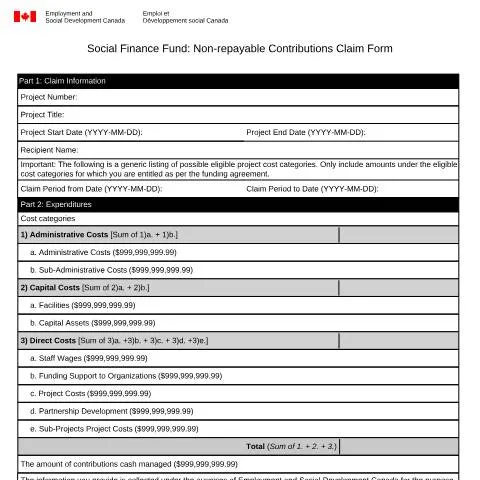
The EMP5736 form comprises several sections, each serving a specific purpose. Understanding each section is critical to avoid costly mistakes. Here’s a detailed breakdown:
| Section | Description | Key Considerations |
|---|---|---|
| Part 1: Claim Information | This section gathers essential information about the project and the recipient. | Ensure accurate dates and recipient details are entered to prevent processing delays. |
| Part 2: Expenditures | Here, you outline various categories of expenses, including administrative, capital, and direct costs. | Double-check all figures and categorize expenses correctly for compliance. |
| Total Cash Managed | Calculate and report the total amount of contributions managed. | This must align with documented expenditures; discrepancies can lead to claim rejections. |
Common Pitfalls: Navigating the Completion Process
While filling out the form may seem straightforward, there are common pitfalls that applicants must avoid:
- Incomplete Information: Ensure all fields are filled out. Missing information can delay processing.
- Incorrect Calculations: Double-check all sums and totals. Errors can lead to significant setbacks.
- Failure to Attach Supporting Documents: Always include necessary documentation that validates expenditures.
In Case of Challenges: Addressing Refusals and Errors
Receiving a refusal can be disheartening, but it’s essential to approach this constructively. Here’s what to do:
- Understand the Reason: A detailed explanation should accompany the refusal notice. Analyze this to identify areas of improvement.
- Prepare Resubmission: Correct any identified errors and prepare an updated claim form.
- Seek Guidance: If uncertain, consult with ESDC representatives for clarification and advice on your next steps.
Essential Documentation: Preparing Your Submission
Accompanying your EMP5736 form with the right documentation is crucial. Here’s a checklist to ensure you are fully prepared:
- Invoices: Include all invoices related to the project expenses.
- Receipts: Gather receipts for smaller transactions that contribute to overall expenses.
- Proof of Expenditures: Any additional documentation that substantiates your claim should be attached.
Having these documents organized and ready will facilitate a smoother review process.
The Broader Landscape: Legislative Framework and Compliance
The EMP5736 form operates within a broader legislative framework that governs the distribution of public funds in Canada. This framework emphasizes accountability, transparency, and ethical use of funds. Understanding this context not only enriches your application but also provides a sense of responsibility in managing public resources. Compliance with the Terms and Conditions outlined in your funding agreement is not just recommended; it’s mandatory.
Final Thoughts on Empowering Your Organization
Successfully navigating the Social Finance Fund and the accompanying EMP5736 form requires diligence, attention to detail, and a commitment to community outcomes. As you engage with this process, remember that each project contributes to a larger vision of social well-being and innovation in Canada. By ensuring accuracy and thoroughness in your claims, you empower your organization to make a lasting impact.
Understanding Non-Repayable Contributions
Non-repayable contributions from the Social Finance Fund (SFF) serve as a vital financial resource for organizations striving to deliver social outcomes. Unlike loans, these contributions do not require repayment, making them ideal for social enterprises, charities, and other non-profit organizations that may lack the financial stability to take on debt. However, to qualify for these contributions, your project must align with specific objectives laid out by the fund, including fostering innovation, job creation, and addressing various social challenges.
It's imperative to understand that while these contributions are non-repayable, they often come with particular conditions and performance metrics that you must adhere to throughout the funding period. This means that recipients are accountable for reporting on the effectiveness and social impact of their projects, which can be a complex process requiring diligent record-keeping and analysis.
As you prepare to submit your Non-Repayable Contributions Claim Form, familiarize yourself with these conditions, as non-compliance could jeopardize your funding and future opportunities. Each project is unique, and the expectations may vary based on the scale and scope of your initiative. Seek guidance from ESDC or other agencies if there are uncertainties regarding specific funding requirements or acceptable uses of the funds.
Step-by-Step Guide to Completing the Claim Form
Completing the Non-Repayable Contributions Claim Form can seem daunting, but breaking down the process into manageable steps can simplify your experience. First, ensure you have the correct form, which is available on the Government of Canada’s website in both English and French. The form is typically identified as SFF-Claim-Form-2023.
Next, gather all necessary documentation before you start filling out the form. This includes financial statements, evidence of expenditures, and any required performance metrics that demonstrate the social impact of your project. Since funding is often contingent upon delivering measurable outcomes, transparency in your documentation is critical.
When filling out the form, make sure to use clear and precise language. Each section has specific requirements, and failing to provide sufficient information can result in processing delays. Pay particular attention to the budget breakdown, where you must outline how the funds were spent in relation to your initial proposal. Double-check that your figures are accurate, as discrepancies can lead to complications in the claims process.
After completing the form, review it for completeness and accuracy. It's advisable to have a second pair of eyes on the submission, especially if you are working within a team. Once reviewed, submit the form along with all required documentation by the specified deadline to avoid any penalties or funding issues.
Common Pitfalls to Avoid When Filing Your Claim
Even with the best intentions, many organizations face challenges when filing their Non-Repayable Contributions Claim. Understanding these common pitfalls can save you time and frustration during the claims process. One major issue is not providing sufficient evidence to support your claim. Always ensure that for every expense you report, you have the corresponding receipts, invoices, or other documentation available for audit purposes.
Another common mistake is failing to adhere to deadlines. Each year, the funding cycle has specific timelines, and your claim must be submitted within these limits. Mark your calendar with reminder dates to ensure you are not rushing at the last minute, which can lead to errors or incomplete submissions. Familiarize yourself with the exact submission date—typically falling at the end of the fiscal year—and plan accordingly.
Additionally, ensure that your project metrics align with the goals outlined in your proposal. If your project has shifted during the funding period, it’s crucial to communicate these changes to ESDC. Transparency helps maintain a good relationship with the funding body, and any deviations from the original plan should be documented and justified in your claim.
Finally, always be proactive in seeking help or clarification whenever needed. The SFF and ESDC are there to assist you, so do not hesitate to reach out if you encounter uncertainties during the claims process. Proper communication can make a significant difference in successfully navigating your funding application and claim submission.