Understanding the Condition Inspection Report for Residential Tenancies in British Columbia
If you're a landlord or tenant in British Columbia, the Condition Inspection Report (form RTB-27) is an essential document used to record the condition of a rental unit at the start and end of a tenancy. This report helps determine the property's condition, identify damages or issues, and facilitate dispute resolution if needed. Here's what you need to know about this official form, including when and how to use it, what information it requires, and key points to consider during the inspection process.
When to Use the Condition Inspection Report
This form should be completed during two critical periods:
- Move-in inspection: Before the tenant takes possession of the rental unit.
- Move-out inspection: After the tenant vacates the unit.
The report documents the condition of various areas and fixtures within the property, providing a clear record that can be referenced in case of disputes over damages or security deposit deductions. It is a mandatory part of the tenancy process in British Columbia, ensuring transparency and fairness for both parties.
Key Information Required on the Form
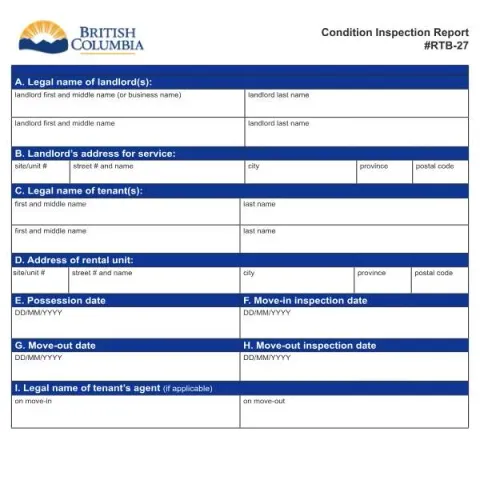
The RTB-27 form gathers detailed information about the landlord, tenant, and the rental unit, including:
- Landlord's details: Legal name and address for service.
- Tenant's details: Full name and, if applicable, the agent's name.
- Rental unit address: Including site or unit number, street, city, province, and postal code.
- Dates: Possession date, move-in and move-out inspection dates, and move-out date.
This information ensures the inspection record is accurately linked to specific tenancy periods and parties involved.
How to Complete the Inspection: Focus Areas and Condition Codes
The form is divided into sections covering different areas of the property, such as kitchens, bathrooms, bedrooms, living areas, exterior, and utility rooms. For each area, the inspector records the condition of various features, including walls, floors, appliances, fixtures, and windows.
Each feature is marked with a condition code, which indicates its state:
- G (Good): No issues.
- D (Damaged): Visible damage requiring repair.
- F (Fair): Slight wear or minor issues.
- S (Scratched): Surface scratches that are cosmetic.
- P (Poor): Significant wear or damage needing attention.
- B (Broken): Structural or functional breakage.
- M (Missing): Item is absent.
- DT (Dirty): Not clean.
- ST (Stained): Marked or stained surfaces.
Comments can be added to specify details or note particular issues, providing clarity for future reference.
Points of Attention and Best Practices
When completing the inspection report, it is important to:
- Be thorough: Examine all features listed in each section, including less obvious areas like behind appliances or inside closets.
- Be objective: Accurately record the condition without exaggeration. Use photographs if possible to support your findings.
- Compare conditions: Clearly distinguish between the state at move-in and move-out, noting any changes or new damages.
- Communicate with tenants: Share the completed report with tenants at move-in and move-out, allowing them to review and sign if required.
- Keep copies: Both parties should retain copies of the completed report to prevent disputes.
Submitting and Using the Condition Inspection Report
The completed RTB-27 form serves as official documentation of the property's condition. It can be used in dispute resolution processes managed by the Residential Tenancy Branch, especially if disagreements arise regarding damages or security deposit deductions.
Fill in your form directly online
No printing: type your details into the boxes of the official form, tick, then download the PDF ready to send.
- 1Type into the form boxes
- 2Tick in one click
- 3Save and download the PDF
While the form itself is primarily a record-keeping tool, it is recommended to submit a signed copy to the Residential Tenancy Branch if requested or as part of dispute procedures. Maintaining detailed and accurate records helps protect both landlords and tenants by establishing a clear baseline of property condition.
Final Tips
Always complete the inspection report with honesty and detail, and ensure it is signed by both parties at move-in and move-out. This practice promotes transparency, reduces conflicts, and supports a smooth tenancy experience.
For more information about the Residential Tenancy Act and the inspection process, you can visit the official government website or contact the relevant public information lines listed on the form.