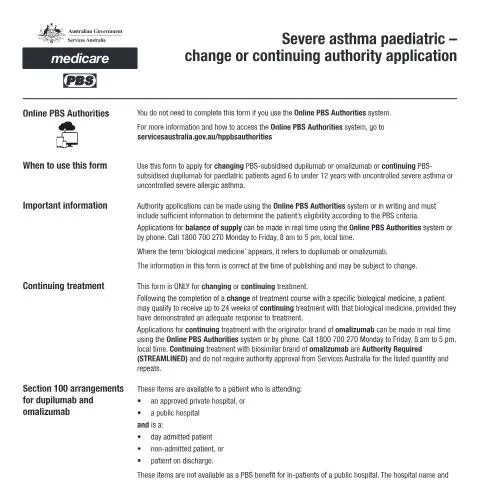
Understanding the PB385 Form for Severe Asthma in Children
Dealing with severe asthma can be a daunting experience, especially when it comes to navigating the official paperwork required for ongoing treatment. The Severe Asthma Paediatric - Change or Continuing Authority Application Form (PB385) acts as a critical tool for parents, guardians, and health professionals seeking to secure authority for medication essential to managing this condition in children. Understanding the nuances of this form can significantly ease the process and ensure children receive the necessary treatment.
The Target Audience: Who Should File the PB385?
This form is primarily intended for health professionals and families managing severe asthma in children. Let’s break down the specific profiles of individuals who might need to engage with this application:
Health Professionals
- Pediatricians and Asthma Specialists: These professionals are often the first point of contact for diagnosis and management. They are responsible for providing the necessary medical assessments and recommendations required to support the application.
- General Practitioners: GPs play a crucial role in ongoing asthma management, providing referrals and completing the form based on their patients’ medical histories.
Parents and Guardians
- Primary Caregivers: Parents or guardians who are responsible for a child diagnosed with severe asthma must understand how to complete and submit this form effectively. It is essential for accessing and maintaining medication prescribed by their healthcare professionals.
- Those with Complex Situations: Families who might be undergoing financial difficulties or those whose children have coexisting medical conditions that complicate asthma management may find the process more challenging and should pay close attention to the requirements of the PB385.
Preparing Your Application: Documentation Essentials
Before you dive into filling out the PB385, gathering the correct documentation is paramount. Here’s a detailed guide on what you’ll typically need:
Key Documents Required
- Medical Reports: Obtain recent medical assessments from a healthcare provider detailing the child’s asthma condition. This should include any previous treatments and their outcomes.
- Medication Details: A list of current medications prescribed, including dosages and frequency of use, should accompany the application. This ensures that the health authorities have a clear understanding of the treatment involved.
- Personal Identification: Essential documentation such as Medicare numbers or other identifiers that validate the child’s eligibility for treatment under this program.
- Supporting Letters: Consider including letters from medical experts supporting the necessity of the requested medications, particularly if facing challenges with the application process.
Submission Channels: Navigating the Application Process
When it comes to submitting the PB385 form, there are various channels available, each with its own nuances. Understanding these can greatly influence the effectiveness and speed of your application:
Online Submissions via myGov
The most efficient way to submit the PB385 is through the myGov platform, which allows for:
- Instant Upload: Documents can be uploaded directly, and the application is processed in real-time.
- Tracking Features: Users can monitor the status of their application, reducing the anxiety of waiting for a response.
Paper Submissions
For those who prefer traditional methods or lack access to online channels, mailing the completed form is still an option. However, keep in mind:
- Processing Time: Paper applications can take longer to process, resulting in delays in receiving approvals.
- Confirmations: Always send applications via registered post to ensure you have evidence of submission.
In-Person Submissions
For urgent cases or when assistance is required, visiting a local Services Australia office can be beneficial. This method allows for immediate feedback and help with completing the form accurately. However, it’s essential to:
- Book an Appointment: Walk-ins may not guarantee immediate assistance due to high demand.
- Bring All Required Documents: Ensure that all supporting documentation is ready to avoid multiple trips.
What Happens After Submission? Tracking Your Application
Once the PB385 form has been submitted, understanding the subsequent steps is vital for anticipating the timeline and potential outcomes:
Processing Timeframes
The processing time for approvals can vary widely depending on several factors, including the completeness of your application and current workload at Services Australia. Generally, you might expect:
- Standard Processing: If no additional information is needed, approvals may take anywhere from a few days to several weeks.
- Complex Cases: If your application requires further review or more documentation, it could significantly extend the timeframe.
Monitoring Application Status
If you submitted online through myGov, tracking is straightforward. However, for other methods:
- Contact Services Australia: It’s advisable to call or visit your local office for updates, especially if the expected processing time has passed.
- Documentation Records: Keep copies of all submitted documents and correspondence in case proof is needed later on.
Addressing Challenges: What to Do in Case of Refusals
Receiving a refusal for your application can be disheartening. However, understanding your options can help you navigate the next steps effectively:
Understanding Refusal Reasons
Common reasons for refusal may include:
- Incomplete Documentation: Missing medical reports or invalid identification can lead to rejection.
- Eligibility Issues: Ensure that the child meets all health and legal requirements as set by Services Australia.
Next Steps After a Refusal
- Review the Decision: Carefully read the refusal notice to understand the specific reasons.
- Gather Additional Information: If possible, collect the necessary documents that address the concerns raised in the refusal.
- Reapply or Appeal: Depending on the situation, you can submit a new application or formally appeal the decision through the Administrative Appeals Tribunal (AAT) if you believe the decision was unjust.
Complex Situations: Special Considerations
For families facing complex circumstances, such as non-residency or co-existing health issues, the application process might be more challenging but not impossible. Here are strategies to handle these nuances:
Non-Residents or Temporary Visa Holders
Children not holding permanent residency may still receive medical support, but they must demonstrate medical necessity and the urgency of treatment. It’s essential to:
- Consult with Immigration Lawyers: These professionals can provide guidance on navigating healthcare access issues for non-residents.
- Obtain Supporting Documentation: Prepare comprehensive medical histories that justify the need for medication, even in non-standard residency situations.
Co-existing Health Conditions
Children with other medical issues that complicate asthma can create additional layers of difficulty in the application process. Here’s how to approach this:
- Detailed Medical Documentation: Ensure that all health conditions are clearly documented and linked to the child’s overall asthma management plan.
- Collaboration with Multiple Specialists: Engaging with various healthcare providers can lend weight to the application by demonstrating a coordinated approach in managing the child’s health.
The Final Steps: Ensuring Continuity of Care
Once your application is successful and the necessary authority has been granted, maintaining ongoing treatment requires diligence. Here are the steps to ensure that care continues seamlessly:
Regular Medical Reviews
It’s critical to schedule regular appointments with the child’s healthcare provider to assess treatment efficacy and make adjustments as necessary. This ensures that the authority granted remains relevant to the child’s current health status.
Staying Informed on Policy Changes
Healthcare policies, especially those related to medications and application procedures, can change. Keeping abreast of any updates from Services Australia will better prepare you for future applications or renewals.
In managing a child's severe asthma, understanding the PB385 form and the procedures surrounding it is vital for ensuring that they receive the necessary treatment. By being proactive, organized, and informed, parents and healthcare professionals can navigate the complexities of the application process with confidence.
Understanding the Severe Asthma Authority Application Process
When it comes to managing severe asthma in children, securing the necessary medications is crucial for both their health and quality of life. In Australia, the application for an Authority Prescription is a key step in ensuring that children with severe asthma receive the treatment they need. The form PB385 is specifically designed for paediatric patients who require ongoing access to funded medications that are not covered under the standard Pharmaceutical Benefits Scheme (PBS) guidelines.
The application process can seem daunting, but understanding the requirements and steps involved can significantly ease the burden on parents and healthcare providers. Initially, it’s important to gather all required documentation, which typically includes a detailed medical history, evidence of the child’s asthma severity, and a treatment plan from a specialist. Consulting with a paediatric respiratory specialist is often necessary to substantiate the claims made in the application.
After collecting the necessary documents, the next step is to fill out the PB385 form accurately, ensuring that all information provided is both truthful and comprehensive. The application must include specific details such as the child’s asthma diagnosis, past treatments tried, and responses to these treatments. If the application is approved, it allows for ongoing access to medications at the subsidised rate, significantly reducing the financial burden on families.
It's also worth noting that if an application is declined, families have the right to request a review of the decision. This process is governed by the Administrative Decisions (Judicial Review) Act 1977 (Cth), offering a pathway for reconsideration. Understanding this right can empower families to advocate effectively for their children's health needs.
Common Pitfalls and How to Avoid Them
While navigating the severe asthma authority application process, there are several common pitfalls that applicants often encounter, which can delay approval or even lead to rejection. Awareness of these issues can help streamline the process and increase the likelihood of a successful application.
One frequent mistake is submitting incomplete or unclear documentation. It is essential to ensure that all sections of the PB385 form are filled out thoroughly, and all necessary supporting documents are attached. This includes letters from specialists, test results, and any other relevant medical history that supports the severity of the asthma condition. Taking the time to review the entire application before submission can save valuable time and prevent unnecessary delays.
Another common issue arises from a lack of clear communication with healthcare providers. Parents should not hesitate to ask their child’s doctor or specialist for clarification on any requirements they don’t understand or for assistance in articulating the severity of the asthma condition. A well-documented case that clearly outlines the challenges faced by the child can significantly strengthen the application.
Timeframes can also be a concern. Applications are processed in a timely manner; however, the response time can vary. Parents should ensure they submit their application well in advance of when the medication is needed. Keeping a close eye on the application tracking via myGov can help parents stay informed and proactive. In case of delays, reaching out to Services Australia for updates can provide insight and reassurance.
Lastly, consider consulting with organisations or support groups that specialise in asthma management for additional resources and guidance. They can provide insights based on others' experiences and may offer templates or checklists to help with the application process.
The Role of Ongoing Monitoring and Review for Severe Asthma Management
Once an Authority Prescription has been obtained through the PB385 application, ongoing monitoring and review of the patient's condition are imperative. Severe asthma is a dynamic condition that can change over time, and the treatment plan must adapt accordingly. Regular follow-ups with healthcare providers ensure that the medication remains effective and that any side effects or new symptoms are addressed promptly.
Monitoring involves not only clinical assessments but also the use of tools such as asthma action plans, peak flow meters, and symptom diaries. Parents are encouraged to keep a detailed log of their child’s asthma symptoms, triggers, and responses to treatment. This information can be invaluable during follow-up consultations and can guide adjustments in therapy if necessary.
Periodic reviews are also critical for maintaining the Authority Prescription status. Depending on the severity of the child's asthma, healthcare providers may need to submit periodic reports to Services Australia, demonstrating the ongoing necessity for the prescribed treatments. Failure to comply with these reviews could result in the loss of subsidy for the medications.
Additionally, families should stay informed about any new treatments or clinical guidelines that may emerge. The field of asthma management is continually evolving, and emerging therapies or changes in best practice guidelines can impact treatment strategies. Being proactive in communication with healthcare providers can help families make more informed decisions about their child's care.
In conclusion, while the journey through the severe asthma Authority application process can be challenging, there are numerous resources and supports available to assist families. Understanding the process, avoiding common pitfalls, and engaging in ongoing monitoring are crucial components in managing severe asthma effectively in children.