Navigating the Midwife Professional Indemnity Scheme: Essential Insights
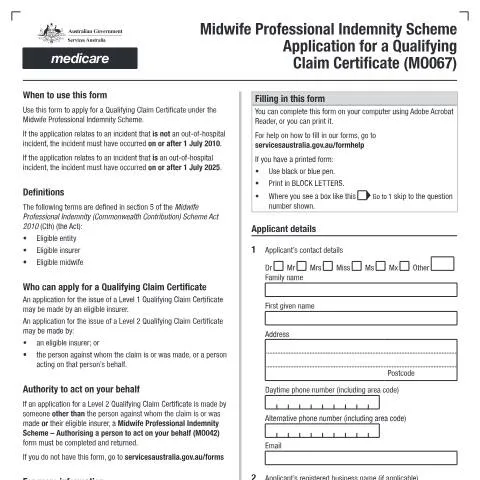
In the landscape of healthcare, midwives play a crucial role in ensuring the safety and well-being of mothers and their newborns. Central to their professional practice, especially in Australia, is the Midwife Professional Indemnity Scheme. This scheme provides a safety net for midwives against claims made by clients due to alleged malpractice. Understanding the Midwife Professional Indemnity Scheme - Application for a Qualifying Claim Certificate form (MO067) is vital for midwives who want to safeguard their practice while serving the community effectively.
The Journey to Obtain Your Qualifying Claim Certificate
Obtaining the Qualifying Claim Certificate is not merely a formality; it is a critical step that midwives must undertake to protect themselves professionally. Here’s how you can navigate this process:
Step-by-Step Application Process
- Gather Required Documentation: Collect all necessary documents to support your claim. This may include evidence of your professional indemnity insurance and details of the incident.
- Complete the MO067 Form: Filling out the form accurately is crucial. Ensure every section is filled out to avoid delays.
- Submit Your Application: Applications typically go through Services Australia. Ensure to check their submission guidelines, as digital submission may be preferred.
- Await Assessment: Once submitted, your claim will be reviewed. This could take some time, so it’s important to remain patient.
- Receive Your Certificate: If approved, you will receive your Qualifying Claim Certificate, which serves as your protective document.
Who Is Eligible for the Certificate?
The eligibility criteria for applying for the Qualifying Claim Certificate are designed to ensure that only those who meet specific professional requirements can benefit from the scheme:
- Registered Midwives: You must be a registered midwife under the relevant state or territory registration board.
- Insurance Requirements: A current professional indemnity insurance must be in place that meets the necessary criteria set forth by the scheme.
- Claim Context: Claims must relate to incidents that occurred during your professional practice, and you need to provide all relevant details.
Practical Applications of the Qualifying Claim Certificate
The Qualifying Claim Certificate has real-world implications for midwives and their practices. Here’s how it plays out:
Protection Against Claims
The primary use of the certificate is to provide legal protection in case of a claim made against you by a client. This not only safeguards your current practice but also your professional reputation.
Significance for Employment Opportunities
Employers in healthcare settings often require proof of the Qualifying Claim Certificate. This document can significantly enhance your employability and credibility within the healthcare sector.
What Happens If You Lose Your Certificate or Need to Amend It?
Life can be unpredictable, and losing important documents happens. If you find yourself in such a situation, here are the steps to address it:
In Cases of Loss or Damage
- Report the Loss: Notify Services Australia about the lost certificate. This helps in tracking and preventing misuse.
- Request a Replacement: You will need to submit a request form, which usually requires proof of your identity and circumstances surrounding the loss.
Amending Your Certificate
If there are errors in your certificate, such as incorrect personal details, it is crucial to rectify them immediately. You should:
- Contact Services Australia for guidance on the amendment process.
- Submit any necessary documentation that supports your request for changes.
Duration of Validity and Renewal Process
Understanding the validity and renewal process of your Qualifying Claim Certificate is essential. This ensures continuous protection as you navigate your professional journey.
Validity Period
The certificate typically remains valid for a certain period, often aligned with your professional indemnity insurance's coverage period. Regular checks against your insurance policy renewal date are advisable.
Renewal Procedure
To maintain your coverage under the Midwife Professional Indemnity Scheme, the renewal process usually involves:
- Verification of Current Insurance: Ensure that your professional indemnity insurance is renewed and meets scheme requirements.
- Application for Renewal: You may be required to reapply or submit updated documentation to Services Australia.
Understanding the Legal Framework Behind the Scheme
The Midwife Professional Indemnity Scheme operates within a well-defined legal structure designed to protect both midwives and their clients. Understanding this framework is crucial for effective practice.
Administrative Decisions (Judicial Review) Act 1977
This act provides the basis for reviewing decisions made under the scheme. If you believe a decision regarding your application or claim was unfair, you may have the right to seek a merits review through the Administrative Appeals Tribunal (AAT).
Additional Considerations: Tips for Midwives in Practice
To maximize the benefits of the Midwife Professional Indemnity Scheme, here are some practical tips:
- Stay Informed: Regularly check for updates or changes to the Midwife Professional Indemnity Scheme and related policies.
- Maintain Thorough Documentation: Keeping detailed records of your cases can help in the event of a claim.
- Continuing Education: Engage in ongoing professional development to enhance your skills and knowledge, which can reduce the risk of claims against you.
In Summary
Understanding the application process, eligibility requirements, practical applications, and the legal landscape surrounding the Midwife Professional Indemnity Scheme is crucial for any practicing midwife in Australia. The Qualifying Claim Certificate not only serves as a protective measure but also enhances your professional credibility. Always ensure your documentation is updated and that you remain informed about your rights and responsibilities within this framework. For any specific inquiries or detailed guidance, it is advised to contact Services Australia directly.
Understanding the Midwife Professional Indemnity Scheme
The Midwife Professional Indemnity Scheme is designed to provide financial support and protection to midwives who are at risk of being sued for negligence in the course of delivering midwifery services. As a midwife operating in Australia, it's crucial to grasp the essentials of this scheme to effectively manage your professional risks and ensure the sustainability of your practice.
This scheme is particularly relevant for midwives who are engaged in private practice or who provide care outside of the hospital setting, where the risk of claims can be significant. It is financed through contributions from midwives and ensures that those who face potential legal claims have access to the necessary financial resources to defend themselves.
To be eligible for the Midwife Professional Indemnity Scheme, midwives must meet certain criteria including, but not limited to, being registered with the Nursing and Midwifery Board of Australia (NMBA) and having appropriate professional indemnity insurance coverage. This insurance serves as a critical component of the scheme, as it not only protects midwives but also enhances public confidence in the care being provided.
Navigating the Application Process for a Qualifying Claim Certificate
To apply for a Qualifying Claim Certificate under the Midwife Professional Indemnity Scheme, midwives must complete Form MO067. This form is pivotal for those who have faced legal claims and need to establish their eligibility for support under the scheme. Here’s a step-by-step guide to navigate the application process effectively:
- Gather Required Documentation: Before filling out the form, ensure you have all necessary documentation. This includes proof of your professional indemnity insurance, any correspondence related to the claim, and evidence of your registration with the NMBA.
- Complete the MO067 Form: Fill out the form meticulously, providing accurate details about your practice, the nature of the claim, and any relevant dates. Inaccuracies or missing information can lead to delays or rejection of your application.
- Submit the Application: Applications should be submitted electronically via myGov, where you can securely upload your completed MO067 form along with any supporting documents. It’s advisable to keep a record of your submission for future reference.
- Await the Outcome: Once submitted, the review process can take time. It's essential to monitor your myGov inbox for any updates or requests for further information from the relevant authorities.
- Respond to Queries Promptly: If additional information is requested, respond as quickly as possible to avoid unnecessary delays in your application process.
Understanding and following these steps carefully can assist in expediting the review process and securing your claim effectively.
Potential Outcomes and Their Implications
Upon review of your application for a Qualifying Claim Certificate, there are several potential outcomes, each carrying different implications for your practice. Understanding these outcomes can help you prepare for any subsequent steps you may need to take.
- Approval of the Claim Certificate: If your application is approved, you will receive a Qualifying Claim Certificate, enabling you to access financial support for legal expenses. This alleviates a significant amount of stress and allows you to focus on your practice and patient care.
- Request for Further Information: In some cases, the reviewing authority may require additional information to make a decision. This could relate to clarifications about the incident in question or the parameters of your insurance coverage. It’s vital to respond swiftly to these requests to minimize delays.
- Rejection of the Application: If your application is rejected, you will be informed of the reasons for the decision. Depending on the circumstances, you may have the right to contest this decision through the Administrative Appeals Tribunal (AAT). It’s advisable to seek legal advice to understand the implications and potential next steps in this situation.
Each of these outcomes has specific ramifications not only for your financial liability but also for your professional reputation and future practice. Therefore, it is prudent to engage with legal professionals who specialize in midwifery indemnity to ensure your interests are protected throughout the process.