Navigating the High-Risk Neuroblastoma Authority Application Process
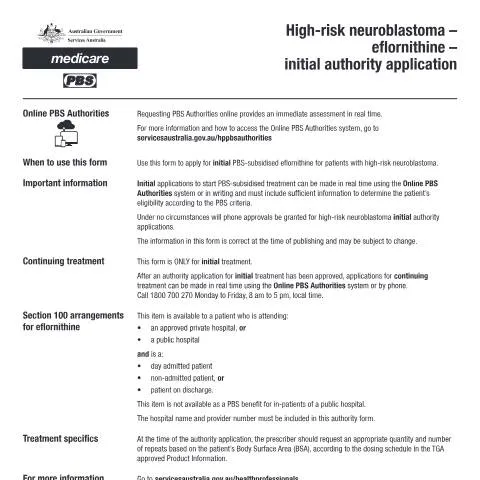
Completing the High-risk neuroblastoma - eflornithine - initial authority application form (PB384) is a significant step for healthcare professionals advocating for treatment options for patients battling high-risk neuroblastoma. This crucial document serves as a gateway for accessing specific medications and treatments, enabling medical practitioners to initiate the authorization process effectively.
Understanding the Role of Form PB384 in Treatment Authorization
The PB384 form plays a pivotal role in the application for treatment with eflornithine, a medication utilized in addressing high-risk neuroblastoma in pediatric patients. The application process requires healthcare professionals to demonstrate the medical necessity of the drug, ensuring compliance with both efficacy standards and regulatory requirements as set forth by Services Australia. This form is specifically designed for applications regarding initial authority, distinguishing it from other similar forms which may pertain to ongoing treatment or different medications.
A Distinctive Approach: PB384 vs. Other Forms
Form PB384 is often confused with other authority application forms due to its overlapping purpose in medication requests. However, it is essential to recognize its unique focus on high-risk neuroblastoma and the specific parameters associated with eflornithine treatment. While forms related to less critical conditions may have streamlined requirements, PB384 necessitates comprehensive documentation that clearly outlines:
- Patient history and clinical rationale for eflornithine therapy
- Previous treatment outcomes and failures
- Projected treatment plans and expected benefits
This specificity ensures that only patients who genuinely require this high-risk treatment are considered, thus optimizing resource allocation within the healthcare system.
Who Needs to Submit Form PB384?
The responsibility of submitting the PB384 form lies primarily with healthcare professionals who are directly involved in the care of pediatric patients with high-risk neuroblastoma. This includes paediatric oncologists, hospital specialists, and, in certain cases, general practitioners who are managing the treatment plan collaboratively with oncological services. These professionals must ensure that the application is thoroughly completed, reflecting a strong clinical need for the treatment.
When dealing with this form, practitioners should also be aware of particular circumstances that may impact the application process:
- International patients receiving treatment in Australia
- Minors requiring parental consent and involvement
- Patients with complex health issues or comorbidities
Preparing Documentation: Essential Components
When filling out the application, meticulous preparation is crucial to ensure that all necessary documentation accompanies the PB384 form. The following components should be gathered and submitted along with the form:
- Patient Identification: Complete details including full name, date of birth, and Medicare number.
- Clinical History: A comprehensive medical report detailing the patient’s diagnosis, previous treatments, and response.
- Justification for Treatment: A detailed explanation highlighting why eflornithine has been recommended over alternative therapies.
- Consent Documentation: If applicable, parental consent forms for minors or patients lacking capacity.
By ensuring all relevant documents are prepared in advance, healthcare professionals can expedite the application process, reducing potential delays in treatment commencement.
Submitting the PB384 Application: Step-by-Step Guide
Once the PB384 form is completed and all supporting documents are gathered, the next step involves submission. Here’s a structured approach to ensure a smooth process:
- Double-check Information: Review all entries on the PB384 form for accuracy and completeness.
- Compile Supporting Documents: Ensure all required paperwork is included as per the checklist.
- Choose Submission Method: Applications can typically be submitted electronically through myGov or directly to Services Australia via postal mail.
- Track Application Progress: After submission, keep an eye on notifications or updates from Services Australia regarding the status of the application.
The Timeline: What to Expect After Submission
Healthcare professionals should be prepared for the timeline associated with the processing of the PB384 application. Generally, the following stages can be expected:
- Initial Review: Services Australia will conduct an initial review of the application, typically within a few weeks of receipt.
- Further Information Requests: If additional information is required, practitioners may be contacted directly for clarification.
- Outcome Notification: Following the review, a notification regarding the approval or denial of the treatment request will be sent.
It’s important for the healthcare provider to communicate any urgent needs during this time, as delays could impact patient care, especially in critical situations.
The Legal Framework Supporting the PB384 Form
The significance of the PB384 form is underscored by the regulatory framework established under the Administrative Decisions (Judicial Review) Act 1977 (Cth), which governs how medical treatments are authorized in Australia. This act provides a pathway for appealing decisions made by Services Australia, should an application be denied. Healthcare professionals must be aware of these rights and the channels for recourse available if the treatment is not approved.
Special Circumstances: Navigating Complex Cases
In certain situations, the application process can become more complicated than a standard submission. Common scenarios that necessitate special consideration include:
- International Patients: Different rules may apply for patients who are not Australian citizens or permanent residents; consult with Services Australia for specific guidelines.
- Minors: Applications involving patients under 18 require additional documentation, including consent from parents or guardians.
- Patients with Comorbidities: If a patient has additional health issues, detailed medical justification will be necessary to support the application for eflornithine.
In such cases, it is recommended to liaise closely with Services Australia to ensure that all requirements are thoroughly understood and met.
Final Thoughts on the High-Risk Neuroblastoma Authority Application Form
Completing the High-risk neuroblastoma - eflornithine - initial authority application form (PB384) is a vital task that requires detailed attention and understanding of both medical and administrative frameworks. By following correct procedures, preparing necessary documentation accurately, and being mindful of patient-specific circumstances, healthcare professionals can significantly enhance the likelihood of a successful treatment authorization.
For further assistance and the most current information regarding the PB384 form and its submission, professionals are encouraged to contact Services Australia directly or consult their official guidelines.
Understanding the Eflornithine Treatment Pathway for High-Risk Neuroblastoma
When navigating the complexities of treating high-risk neuroblastoma with eflornithine in Australia, it's essential to grasp the treatment pathway established by the Pharmaceutical Benefits Scheme (PBS). Eflornithine is a crucial component in the management of this aggressive childhood cancer, often used in combination with other therapies. The treatment typically involves multiple stages, including diagnosis, staging, and the initiation of a tailored chemotherapy regimen.
The treatment pathway often starts with a definitive diagnosis of neuroblastoma, followed by comprehensive staging to determine the risk level. High-risk neuroblastoma is characterized by metastatic disease at diagnosis, age of the patient, and specific genetic factors present in the tumor. After these assessments, healthcare providers will typically recommend standard treatment protocols, which may include high-dose chemotherapy, radiation therapy, and stem cell rescue. Eflornithine becomes a critical part of this multimodal approach, particularly for patients who do not respond adequately to initial therapies.
Parents and guardians should engage closely with specialist teams at pediatric oncology centers, ensuring they are aware of the eligibility criteria for eflornithine. This treatment is subject to PBS approval, meaning that patients must meet specific clinical criteria outlined in the initial authority application form (PB384). Additionally, discussions regarding potential side effects, dosing schedules, and monitoring requirements should be part of ongoing consultations. The healthcare team will guide families through this complex landscape and ensure that they have all necessary resources to make informed decisions regarding their child's treatment.
Completing the Initial Authority Application Form (PB384): A Step-by-Step Guide
The Initial Authority Application Form (PB384) for eflornithine requires careful attention to detail, ensuring that all necessary information is provided to facilitate a timely approval process from Services Australia. The application is a critical step in securing access to subsidised medication through the PBS, especially for high-risk neuroblastoma patients who require this treatment as part of their care.
To begin, the form comprises several sections that need to be completed accurately. The first part involves providing patient demographics, including the child's name, date of birth, and Medicare details. Subsequently, it is vital to include clinical information, such as the diagnosis, staging details, and any prior treatments administered. This information must be comprehensive and demonstrate that the patient meets the clinical criteria for eflornithine treatment, including specific biomarkers that indicate the necessity for this therapy.
Furthermore, the application must also include a detailed treatment plan and rationale for choosing eflornithine. Healthcare professionals should ensure that the prescription for eflornithine aligns with the current clinical guidelines and that any accompanying tests or imaging reports that support the diagnosis and treatment approach are attached. It is advisable to involve a pharmacist or another healthcare provider experienced in the PBS application process to review the form before submission. Errors or omissions can lead to delays or denials, jeopardizing timely access to this critical treatment.
Once completed, the application can be submitted electronically through myGov or directly via the Services Australia platform. Tracking the application status after submission is essential, as healthcare providers will need to stay informed about the approval to commence treatment.
Long-Term Follow-Up and Support Resources for Families
Once a child has begun treatment for high-risk neuroblastoma with eflornithine, long-term follow-up care becomes paramount. This phase involves not only monitoring the effectiveness of the treatment but also managing any potential side effects and the overall well-being of the child. Regular check-ups with oncologists, including physical examinations and imaging to assess tumor response, are critical for adapting treatment plans as needed.
Support resources play an invaluable role during this challenging time. Families are encouraged to connect with local and national support networks that specialize in childhood cancers. These organizations can provide emotional support, practical advice on navigating treatment, and information about connecting with other families facing similar challenges. In addition, financial counseling may be available to assist families in managing the costs associated with ongoing medical care, such as travel expenses for appointments and additional therapies not covered by PBS.
Pediatric oncology social workers can also be an essential resource, helping families access mental health support services and educational accommodations. Given that treatment for high-risk neuroblastoma may extend over several years, having a robust support system in place is crucial for both the child and the family as a whole. Increased awareness and education around the condition can empower families to advocate effectively for their child’s needs throughout this journey.