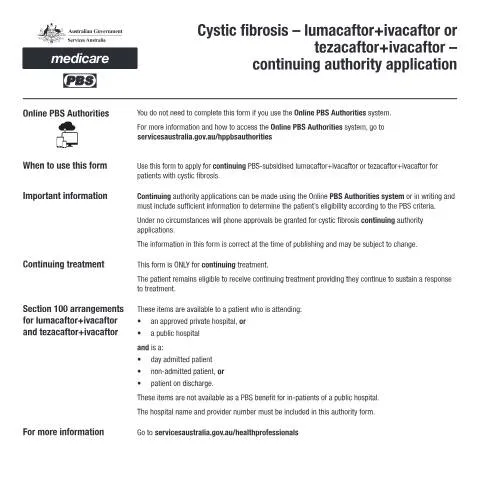
Navigating the PB244 Form: A Comprehensive Guide for Healthcare Professionals
In the realm of patient care, the need for specific medications often necessitates a streamlined administrative process. For healthcare professionals dealing with cystic fibrosis patients seeking ongoing treatment with lumacaftor+ivacaftor or tezacaftor+ivacaftor, the PB244 Form plays a pivotal role. This guide delves into the intricacies of the PB244 form, illuminating its significance, application process, and the essential details required for successful submission.
Understanding the Context: Cystic Fibrosis and Treatment Eligibility
Cystic fibrosis (CF) is a multifaceted genetic disorder that affects the lungs and digestive system, with treatment heavily reliant on specific medications aimed at managing symptoms and improving quality of life. The PB244 form, titled Cystic fibrosis - lumacaftor+ivacaftor or tezacaftor+ivacaftor - continuing authority application form, is designed for patients who have previously been granted medication authority and require a continuation of their treatment.
The form is utilized by healthcare professionals to affirm the ongoing necessity of these medications, which are not universally available without a formal application. The form is specifically relevant for patients who have undergone an initial assessment and are now seeking continuity in their healthcare regimen.
Who Takes the Lead? The Role of Healthcare Professionals
The responsibility of completing and submitting the PB244 form lies primarily with qualified healthcare professionals, including general practitioners and specialists. It is crucial that the individuals filling out the form possess a deep understanding of the patient's medical history and treatment needs. The following professionals are generally involved:
- General Practitioners (GPs)
- Pediatricians
- Respiratory specialists
- Gastroenterologists
Each of these roles carries unique insights into the patient's treatment journey, ensuring that the information provided is comprehensive and tailored to the individual's needs. Accurate representation of the patient's condition and treatment history is vital for a successful application.
Decoding the Details: A Step-by-Step Breakdown of the PB244 Form
The PB244 form is structured to capture essential information regarding the patient’s ongoing treatment. Understanding each section of this form is key to avoiding common pitfalls and ensuring a smooth application process. Below is a detailed exploration of its sections:
Patient Information
In this section, the following details must be included:
- Patient's Full Name: Ensure correct spelling and completeness.
- Date of Birth: Format as DD/MM/YYYY.
- Address: Include current address and any relevant contact information.
- Medicare Number: Ensure this is accurate to avoid processing delays.
Medical History and Current Treatment
It is essential to provide a detailed account of the patient's medical history, focusing on their diagnosis of cystic fibrosis and previous treatments. Key points to cover include:
- Initial diagnosis and any significant health changes.
- Previous treatments and responses to medications.
- Details on the patient's current health status and any complications.
Indication for Treatment Continuation
This section requires a robust justification for the ongoing need for lumacaftor+ivacaftor or tezacaftor+ivacaftor. It is crucial to include:
- Clinical evidence supporting the effectiveness of the medication for the patient.
- Referral to specialist support or recent consultations.
Submission Pathways: Electronic vs. Paper Submission
Healthcare professionals can submit the PB244 form through various channels, each with its nuances. Understanding these pathways can prevent unnecessary delays in patient care. Below are the channels available:
Online Submission
Submitting the PB244 form online is the most efficient method, leveraging the myGov portal for secure access. This pathway typically allows for quicker processing times and easier tracking of application status.
Paper Submission
For those unable to access online services, the traditional paper submission method is still available. However, this may entail longer processing times. When submitting via paper, ensure that:
- The form is completed in full, with appropriate signatures.
- All necessary documentation is included.
- The form is sent to the correct mailing address specified by Services Australia.
Special Cases: Addressing Unique Situations
While the PB244 form addresses the needs of the majority, certain scenarios warrant special attention. These include:
Minors and Dependent Patients
When dealing with minors, it is essential for the form to be signed by a parent or guardian. Additional documentation may be required to verify the guardian's authority.
Patients Living Abroad
For patients residing outside of Australia, additional steps must be taken to ensure eligibility for continued treatment. This may include verifying the patient's residency status and their access to Australian healthcare systems.
Anticipating Outcomes: What Happens Next?
Upon submission of the PB244 form, applicants should prepare for a review period. Typically, healthcare professionals can expect to receive feedback within a specified timeframe, which can vary based on several factors.
Review and Decision-Making Process
The application will be assessed by Services Australia, considering the medical information provided and the adherence to eligibility criteria. Professionals should remain vigilant for:
- Notifications regarding additional information required.
- Updates on the status of the application.
- The eventual decision regarding the continuation of treatment.
Next Steps in Case of Challenges
Challenges can arise during the application process, whether it be an unexpected refusal or missing information. It’s essential to know how to navigate these challenges effectively.
Addressing Application Refusals
If an application is refused, healthcare professionals have the right to seek a review of the decision through the Administrative Appeals Tribunal (AAT). Grounds for appeal can include:
- Lack of consideration for new medical evidence.
- Errors in processing or judgement.
Correcting Errors or Omissions
In cases where errors in the form are identified post-submission, it’s crucial to act quickly. Contact the relevant department at Services Australia to discuss the necessary corrections and how to proceed.
The Broader Administrative Framework: A Key Component of Patient Care
The submission of the PB244 form is not merely a standalone action but part of a larger administrative framework aimed at streamlining patient care for those with chronic conditions such as cystic fibrosis. This framework includes:
- Coordination with specialists and allied health professionals to ensure comprehensive management of the patient’s health.
- Integration of patient data across healthcare services to maintain continuity in care.
- Regular updates to treatment eligibility criteria based on evolving medical research and guidelines.
Healthcare professionals should position themselves within this framework, enhancing their understanding of how administrative processes support their clinical responsibilities.
Final Thoughts: Empowering Patients through Effective Administration
The PB244 form is a critical tool for ensuring that patients with cystic fibrosis continue to receive the medications they need. Healthcare professionals play a crucial role in accurately completing and submitting this form, navigating the complexities of the application process, and advocating for their patients. By understanding the nuances of the form and its role within the healthcare system, professionals can help mitigate barriers to treatment and enhance patient outcomes.