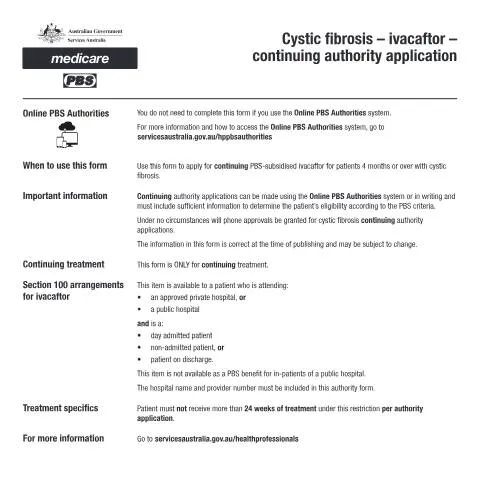
Understanding the PB126 Application Process for Ivacaftor
Navigating the complexities of healthcare applications can be daunting, particularly when it comes to treatments for chronic conditions like cystic fibrosis. The Cystic fibrosis - ivacaftor - continuing authority application form (PB126) is essential for patients seeking ongoing subsidisation for this targeted therapy. This document plays a pivotal role in ensuring that eligible patients receive the necessary financial support to access Ivacaftor, thus significantly impacting their quality of life.
Key Dates and Timelines
Understanding the timeline associated with the PB126 application is crucial for both patients and healthcare providers. The application process has specific phases, from submission to approval, which can influence treatment continuity.
Application Submission Window
The PB126 form should be submitted as part of the ongoing treatment protocol for patients already on Ivacaftor. Typically, applications are lodged at the end of a previous authority approval period, ensuring there is no interruption in treatment. The approval period generally aligns with the fiscal year, which runs from 1 July to 30 June in Australia.
Processing Times
Once submitted, the application undergoes a review by Services Australia. While typical processing times can vary, it is important for applicants to allow sufficient time for review and decision-making. Applicants can monitor the status of their applications through their myGov accounts, which helps keep all parties informed and engaged.
Who Needs to Submit the PB126 Form?
This form is tailored specifically for patients diagnosed with cystic fibrosis for whom Ivacaftor is deemed medically necessary. However, there are nuances in eligibility that can affect who must submit the application.
Target Demographics
- Age Considerations: Both adults and children may qualify, but the application may require additional supporting documentation for minors or those with complex health conditions.
- Diagnosis Specifics: Only patients with specific mutations of the CF gene are eligible for Ivacaftor, necessitating robust medical evidence confirming the diagnosis.
- Prior Treatment History: Patients who have previously received Ivacaftor or those transitioning from a different treatment regimen must provide detailed treatment histories.
How to Complete the PB126 Form Effectively
Completing the PB126 requires careful attention to detail to ensure all necessary information and supporting documents are included. Incomplete forms can lead to delays or rejections of the application.
Essential Sections of the Form
- Patient Information: This section includes personal details such as name, date of birth, and Medicare number.
- Clinical Details: Healthcare providers must provide comprehensive clinical assessments, including details of the cystic fibrosis diagnosis and genetic testing results.
- Treatment History: Include a detailed history of all prior treatments and responses to those treatments.
- Medical Evidence: Attach copies of relevant medical documents, including specialist letters and test results, to substantiate the application.
Submitting the Application: Steps and Requirements
Once the PB126 form is completed, the next critical step is its submission. Understanding the processes for submission can alleviate common concerns about delays.
Submission Channels
Applications may be submitted via different channels depending on the specifics of the case and healthcare provider preferences. Options generally include:
- Electronic Submission: For those registered with myGov, electronic submission may be the quickest option, ensuring immediate delivery to Services Australia.
- Postal Submission: Alternatively, forms can be printed and mailed to the relevant Services Australia address. It's advisable to use registered post to track delivery.
What Happens After Submission?
After submission, applicants should prepare for the review process. Services Australia typically contacts healthcare providers for any additional information if needed. It’s recommended to maintain open communication with the treating physician to facilitate the provision of any requested information promptly.
Dealing with Refusals: Next Steps
In some instances, applications for the PB126 may be refused. Understanding the reasons behind a refusal can help in addressing issues effectively.
Common Reasons for Refusal
- Lack of Medical Evidence: If the medical documentation is not comprehensive or does not clearly demonstrate the need for Ivacaftor, the application may be declined.
- Eligibility Issues: Patients who do not meet the strict criteria for the drug, such as specific genetic mutations, may face rejection.
Steps to Appeal or Reapply
If a claim is denied, patients can take the following actions:
- Request a Review: An internal review can be sought through Services Australia to reconsider the application.
- Gather Additional Evidence: New medical evidence or further clarifications from the healthcare provider can significantly bolster the case in an appeal.
- Engage with Advocacy Services: For complex cases, it may be beneficial to consult with patient advocacy groups or legal experts familiar with healthcare policy.
Particular Cases: Special Considerations
Some patients may have unique circumstances that complicate the completion or submission of the PB126. Recognising these situations can guide patients through potential hurdles.
Minors and Guardians
For children or individuals unable to complete the form independently, a parent or legal guardian must submit the form. This situation requires additional documentation, including guardianship papers, if applicable.
International Considerations
Patients from overseas may have additional complexities surrounding eligibility, particularly concerning Medicare enrolment. It is advisable for these individuals to consult directly with Services Australia to clarify residency requirements and eligibility for subsidisation.
Urgent Applications
In cases where immediate treatment is necessary, patients should communicate the urgency of their situation upon application submission. This may warrant expedited processing measures.
Monitoring Your Application Status
Staying informed about the progress of your PB126 application is vital, as it allows patients and healthcare providers to plan treatment approaches accordingly.
Using myGov for Application Tracking
For those who have submitted their application electronically, myGov serves as a central hub for tracking application statuses. Regular updates are provided through this portal, helping to alleviate anxieties about the application process.
Contacting Services Australia
If there are delays or concerns regarding the application, patients or their representatives should not hesitate to contact Services Australia directly for clarification and guidance on next steps.
Conclusion: Navigating the PB126 Form Journey
The PB126 application process is crucial for ensuring access to essential treatments for cystic fibrosis. By understanding the requirements, timelines, and procedures, patients and healthcare providers can work together to make the experience as smooth as possible. Staying informed, being thorough in documentation, and communicating openly with Services Australia will help facilitate the best outcomes for those needing Ivacaftor.
Understanding Cystic Fibrosis and Treatment Options in Australia
Cystic fibrosis (CF) is a genetic disorder that primarily affects the lungs and digestive system. The condition is caused by mutations in the CFTR gene, leading to the production of thick, sticky mucus that can clog airways and lead to severe respiratory issues. In Australia, the prevalence of CF is approximately 1 in 2,500 births, making it a significant health concern. The management of CF typically involves a multi-faceted approach, including physiotherapy, nutritional support, and medication.
Among the medication options, ivacaftor (marketed as Kalydeco) is a groundbreaking treatment aimed at patients with specific CFTR mutations. Ivacaftor works by enhancing the function of the defective CFTR protein, improving chloride transport across epithelial cells. This treatment is particularly effective for individuals with the G551D mutation and some other mutations, providing significant improvements in lung function and quality of life.
It's crucial for patients and their families to understand their treatment options fully. While ivacaftor is not a cure for cystic fibrosis, it can lead to substantial health benefits, including reductions in pulmonary exacerbations and improvements in weight gain and overall well-being. Patients are encouraged to discuss with their healthcare providers about whether they are eligible for ivacaftor and how to navigate the necessary applications for access through programs like the Pharmaceutical Benefits Scheme (PBS).
Navigating the Continuing Authority Application Process for Ivacaftor
The Continuing Authority Application Form (PB126) is an essential document for patients seeking ongoing access to ivacaftor as part of their cystic fibrosis management. To successfully navigate this application process, patients should first ensure that they have a clear understanding of the requirements set by the Pharmaceutical Benefits Scheme (PBS).
When completing the PB126, it is vital to have accurate and up-to-date information regarding the patient's medical history and the efficacy of ivacaftor in their treatment plan. Doctors must provide a thorough assessment that includes details on the patient's current health status, adherence to the medication regimen, and any side effects experienced. This comprehensive overview will support the case for continued access to ivacaftor.
Additionally, it is important to keep in mind the timing of the application. Patients should apply for continuing authority well in advance of their current prescription expiration to minimize any disruption in their treatment. The application process can be conducted through the myGov portal, linking to Services Australia for streamlined access to necessary forms and guidelines. Patients should note that they will need their unique Medicare number and, in many cases, a Tax File Number (TFN) for verification purposes.
Support Services and Resources for Cystic Fibrosis Patients in Australia
In Australia, various support services are available for individuals with cystic fibrosis and their families. Organizations such as Cystic Fibrosis Australia provide vital resources, education, and advocacy for CF patients nationwide. These organizations offer various services, including information sessions, support groups, and online forums, which can be invaluable for sharing experiences and advice among patients and caregivers.
Another essential resource for CF patients is accessing multidisciplinary care through specialist clinics. These clinics often include a team of healthcare professionals, including respiratory therapists, dietitians, and social workers, who work collaboratively to create a personalized management plan for each patient. This approach not only addresses the medical aspects of CF but also provides holistic support to improve overall quality of life.
Additionally, financial assistance and support may be available through the National Disability Insurance Scheme (NDIS) for individuals with cystic fibrosis who meet specific eligibility criteria. Patients and their families should explore these options to alleviate the financial burden associated with ongoing treatment and care. It is also advisable for patients to maintain regular contact with their healthcare providers to stay informed about any new treatments or changes to existing therapies that could benefit their condition.