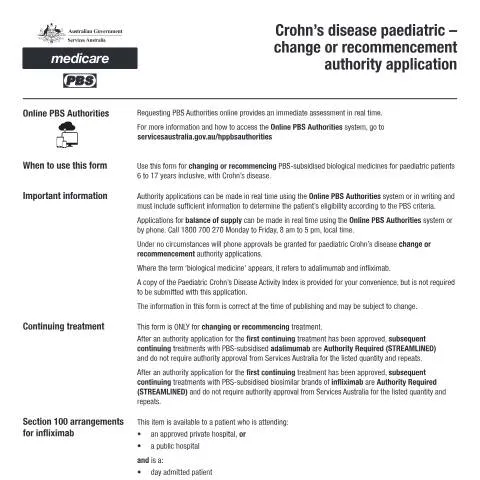
Understanding the PB239 Form: A Vital Component for Paediatric Patients
When navigating the complexities of Crohn's disease management in children, understanding the role of the Crohn's Disease Paediatric - Change or Recommencement Authority Application Form (PB239) is essential. This document isn't merely a piece of paper; it is a critical link between healthcare providers, patients, and the Services Australia framework, ensuring that children suffering from this chronic condition receive the necessary support and treatment they require.
Detailed Insights into the PB239 Application Process
Who Needs to Complete PB239?
The PB239 form is specifically geared towards paediatric patients diagnosed with Crohn's disease who require a change in their treatment plan or are commencing treatment for the first time. This includes:
- Children under the age of 18 who have been diagnosed with Crohn's disease.
- Parents or legal guardians submitting the application on behalf of their children.
- Health professionals, including specialists and general practitioners, who are responsible for the child's ongoing care.
Identifying the Right Circumstances for Submission
It’s crucial to recognise when to submit the PB239 form. This is often triggered by significant changes in a child's treatment pathway, such as:
- A shift in dosage or medication type that necessitates a revised treatment authority.
- Commencing a completely new treatment plan that was not previously authorised.
- Changes in the child's health status that impact their ongoing treatment needs.
Crafting the Application: Essential Steps and Considerations
Gathering Necessary Information
Before embarking on filling out the PB239 form, it is vital to assemble all pertinent information. This includes:
- The child's full medical history related to Crohn's disease.
- Details of any previous treatments and their outcomes.
- Current medications and dosages being administered.
Having this information readily available will streamline the process and enhance the likelihood of a positive outcome.
Completing the PB239 Form
As you begin to fill out the PB239 form, ensure to follow these guidelines:
- Personal Information: Accurately provide the child's details, including name, date of birth, and Medicare number.
- Medical Details: Clearly specify the current condition and treatment regimen, including any recent changes or planned adjustments.
- Healthcare Provider Input: Obtain necessary endorsements or comments from the child's healthcare provider regarding the proposed treatment changes.
- Signature and Date: Ensure that the application is signed and dated by the parent/guardian and the healthcare provider.
The Submission Journey: From Application to Approval
Where to Submit the PB239 Form
Once the PB239 form is meticulously completed, the next step is submission. Applications can typically be submitted through:
- Online via myGov, if registered.
- Mail to the relevant Services Australia office.
It is advisable to check the specific submission guidelines on the Services Australia website or contact their office for clarification to avoid delays.
Tracking Your Application
After submitting the PB239 form, keeping track of the application status is crucial. Patients and guardians can:
- Log into their myGov account to view updates.
- Contact Services Australia directly via phone or in person to inquire about progress.
- Monitor any correspondence for requests for additional information, as this can expedite the approval process.
Understanding Potential Outcomes and Next Steps
Possible Decisions Following Submission
Upon processing the PB239 application, there are a few potential outcomes:
- Approval: In this scenario, the new treatment or dosage is authorised, and the healthcare provider will be notified.
- Request for Additional Information: Sometimes, further documentation or clarification is needed. Respond promptly to expedite the decision-making process.
- Denial: Should the application be denied, a detailed explanation will be provided. Understanding the reasons behind a denial can help in considering a re-application or alternative options.
Legal Framework and Historical Context
The PB239 form operates within the auspices of the Administrative Decisions (Judicial Review) Act 1977, reflecting the ongoing commitment of Services Australia to upholding rights for patients with chronic conditions like Crohn's disease. This legal framework ensures transparency and accountability in decisions regarding treatment authorities, allowing for merits review through the Administrative Appeals Tribunal (AAT). It is crucial for families to understand their rights if they feel a decision is unjust or requires further examination.
Common Challenges and How to Navigate Them
Addressing Delays and Complications
While the PB239 process is designed to be efficient, there can be instances of delays or complications. Here are some strategies to mitigate these issues:
- Proactive Communication: Establish a good rapport with your healthcare provider; their support can be invaluable.
- Documentation: Keep copies of all submitted forms and correspondence for reference.
- Timely Follow-ups: Make it a habit to check in on application status regularly, without assuming silence is a sign of approval.
Additional Support Resources
For families navigating the complexities of Crohn's disease treatments, various support services exist:
- Local health services often have specialists in chronic disease management who can provide guidance specific to children's needs.
- National organisations dedicated to Crohn's disease can offer resources, support groups, and advocacy information.
Staying informed and connected to these resources can greatly enhance the overall experience while dealing with the PB239 application process.
Final Thoughts: The Importance of Advocacy in Paediatric Care
Dealing with a chronic illness like Crohn's disease in children is challenging. The PB239 form is a pivotal part of the care pathway, ensuring that children have access to necessary treatments. Advocacy is essential at every stage of the process—from understanding the implications of the PB239 form to ensuring that healthcare providers are responsive and attentive to the needs of young patients.
By taking a proactive and informed approach to the PB239 application and staying engaged with the healthcare system, families can better navigate the complexities of Crohn's disease management for their children.
Understanding Crohn's Disease in Pediatric Patients
Crohn’s disease, a form of inflammatory bowel disease (IBD), affects the gastrointestinal tract and is increasingly diagnosed in children and adolescents. This complex condition can lead to a multitude of symptoms, including abdominal pain, diarrhea, weight loss, and fatigue. Importantly, the manifestation of Crohn’s disease in pediatric patients necessitates a tailored approach to management and treatment, as their bodies are still developing. Early diagnosis and intervention are crucial to helping children maintain normal growth and development. Families dealing with Crohn's disease have specific needs that differ considerably from adults.
In Australia, pediatricians and gastroenterologists play vital roles in diagnosing and treating this condition. They work closely with parents and caregivers to develop individualized care plans that may involve medication, dietary adjustments, and sometimes surgery. Pediatric patients also benefit from multidisciplinary support, including nutritionists, psychologists, and social workers, who can offer a holistic approach to care that addresses the physical, emotional, and social implications of living with Crohn’s disease.
Furthermore, since Crohn's disease can have unpredictable flare-ups, families must be prepared for ongoing adjustments in management strategies. Understanding how to navigate the healthcare system is essential, especially when it comes to applying for financial assistance, disability support, or exceptional medical care through government programs.
Impact of Crohn's Disease on Education and Daily Life
Managing Crohn's disease extends beyond medical treatment and into the daily lives of pediatric patients. School attendance, academic performance, and social activities can be significantly affected by this chronic condition. Children may experience symptoms that necessitate frequent bathroom visits or may result in absenteeism during flare-ups. Understanding the implications of Crohn's disease is critical for educators, peers, and parents to foster an environment of support and inclusivity.
In many Australian schools, educational support plans can be implemented to ensure that children with chronic health issues receive accommodations. This could include modified class schedules, access to bathroom facilities, or adjustments for homework and assessments. Communication between healthcare providers, parents, and school staff is paramount to create a tailored educational experience that mitigates the challenges faced by these young patients.
Moreover, the emotional and psychological toll of Crohn's disease cannot be understated. Children and teenagers may face feelings of isolation, anxiety, or depression due to their condition. Support groups and counselling services can provide essential emotional support and coping strategies for both patients and their families. Parents are encouraged to connect with local and national resources that advocate for children with Crohn's disease to access further assistance and community support.
Accessing Financial Support for Pediatric Crohn's Disease Management
The financial implications of managing Crohn's disease, particularly in children, can be overwhelming for families. From medication costs to specialist consultations and potential hospitalization, the expenses can quickly accumulate. In Australia, there are several avenues available for families seeking financial assistance related to pediatric Crohn's disease management.
For children diagnosed with Crohn's disease, Medicare provides partial or full coverage for many medical services, including consultations with specialists and certain treatment options. However, out-of-pocket expenses can still occur, especially for medications that are not fully subsidised. Families should also explore the Pharmaceutical Benefits Scheme (PBS) for subsidised medications related to Crohn's disease treatment.
Additionally, families can apply for specific allowances or support programs through Services Australia. For instance, the Child Disability Assistance Payment (CDAP) provides financial assistance to families of children with disabilities, which may include chronic health conditions like Crohn's disease. To access these benefits, parents must submit relevant medical documentation, including the Change or Recommencement Authority Application Form (PB239), to substantiate their child’s health condition.
It is essential for parents to maintain thorough records of medical visits, treatment plans, and any educational accommodations their child receives, as this documentation will be useful when applying for financial support. Working closely with healthcare providers, social workers, and financial advisors can help families navigate the often-complicated landscape of financial assistance for managing Crohn's disease in pediatric patients.