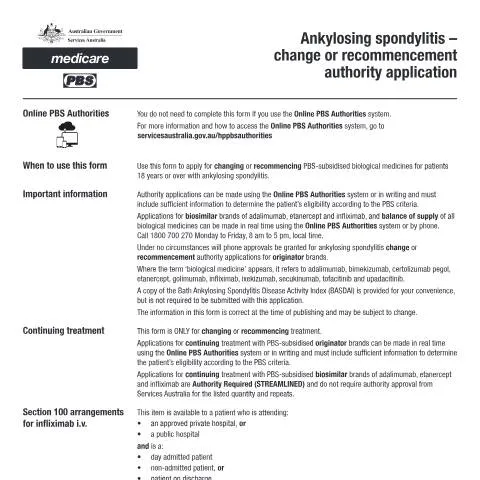
Navigating the Ankylosing Spondylitis Change or Recommencement Authority Application (PB251)
When dealing with health-related benefits in Australia, understanding the nuances of the application process is crucial, especially for conditions like ankylosing spondylitis. The PB251 form, or the Ankylosing Spondylitis - Change or Recommencement Authority Application Form, serves as a significant document that determines eligibility for various health benefits related to this condition. This article dives deep into the details of this form, providing practical insights for prospective applicants and health professionals alike.
Understanding the Role of the PB251 Form in Health Services
At the heart of the PB251 form lies its function as a key mechanism for health professionals to facilitate necessary changes or recommencement of treatments for patients suffering from ankylosing spondylitis. This form is pivotal in ensuring that patients receive appropriate treatment plans, which may have undergone adjustments due to fluctuating health conditions or treatment efficacy.
The PB251 form acts as a formal request that allows health practitioners to document changes in a patient’s condition, thereby enabling Services Australia to reassess the patient’s eligibility for ongoing support or treatment. Notably, the form serves as a bridge between the clinical environment and the administrative framework of health services in Australia.
Who is Required to Complete the PB251?
The responsibility for completing the PB251 form typically falls on registered health professionals who are treating patients with ankylosing spondylitis. These professionals include:
- General practitioners
- Rheumatologists
- Physiotherapists
- Specialized nurses
It's important to note that while health professionals complete the form, the patient’s involvement is vital, especially when it comes to providing accurate health information and treatment history.
Breaking Down the PB251 Form: Key Sections to Note
Completing the PB251 form requires attention to detail. Each section plays a critical role in the application process. Below is a breakdown of significant sections and common pitfalls applicants might face:
1. Patient Information
This section requires basic details about the patient, including:
- Name and contact details
- Date of birth
- Health care identifiers, if applicable
Tip: Ensure that all information is current and accurate. Discrepancies can lead to delays or rejection of the application.
2. Medical Condition Overview
The applicant must provide a comprehensive overview of the patient's ankylosing spondylitis diagnosis. This includes:
- Date of diagnosis
- Current treatment regimen
- History of changes in treatment or response
Tip: It is essential to detail the impact of the condition on daily living. This information can significantly influence the outcome of the application.
3. Change or Recommencement Details
In this section, medical professionals outline specific changes in treatment or conditions that necessitate a recommencement. This could relate to:
- New medications
- Altered physical therapies
- Changes in severity of symptoms
Tip: Use clear language to describe why the changes are necessary. Ambiguities may lead to misunderstandings or rejections.
4. Supporting Information Section
Health professionals are encouraged to attach any relevant medical reports or letters that support the application. This can include:
- Recent test results
- Referrals to specialists
- Notes on previous treatments and their outcomes
Tip: Always reference the attached documents within the PB251 form to ensure the review team understands the context.
Distinct Scenarios and Their Impact on the Application
Understanding the specific scenarios that may affect the application process can greatly enhance the chances of a favourable outcome. Below are examples outlining how different contexts may influence the use of the PB251 form.
Australian Residents vs. Temporary Residents
For Australian citizens and permanent residents, the PB251 form is typically straightforward. However, temporary residents may face additional scrutiny. It is advisable for temporary residents to consult with health professionals about any implications related to their visa status. They may need to provide additional information about their health coverage and treatment rights.
Minors and Guardianship Issues
When the patient is a minor, the form must be completed by a parent or legal guardian. In such cases, it is critical to ensure that:
- Consent is documented
- All relevant medical history is shared by the guardian
Tip: Be prepared to provide documentation proving guardianship if required.
Complex Cases Requiring Additional Documentation
Patients with coexisting health conditions may need to provide supplementary information to support their application. In these cases, not only must the primary condition be detailed, but also how other conditions affect treatment. This may involve integrating insights from various specialists.
What Happens After Submission? The Application Journey
Once the PB251 form is submitted, the journey towards receiving a decision is initiated. Understanding this process can help set expectations for applicants.
1. Initial Review by Services Australia
Upon receipt, the form undergoes a preliminary assessment. Services Australia checks for:
- Completeness of the form
- Correct supporting documentation
If there are any missing elements, the applicant may be contacted for additional information, which can extend the processing time.
2. Detailed Assessment
Once the form is deemed complete, a detailed assessment follows. This phase involves evaluating the documented medical history, treatment changes, and overall health impact. Specialists may be consulted if necessary.
3. Decision Notification
After the assessment, Services Australia will notify the applicant of the decision via the preferred communication method indicated on the form. Possible outcomes include:
- Approval of changes to treatment
- Request for further evidence or clarification
- Denial of the request with explanations provided
Tip: It is essential to maintain communication with Services Australia during this phase to address any queries or rapidly provide additional documentation if needed.
Deposit Channels: Navigating Submission Routes for the PB251
The method of submitting the PB251 form can vary, and it’s crucial for applicants to choose the right channel for their situation. Below are the primary submission routes available:
1. Online Submission via myGov
For many applicants, the most efficient route is through myGov. This method allows for:
- Instantaneous submission
- Real-time tracking of application status
- Secure storage of sensitive personal data
Tip: Ensure your myGov account is linked to Services Australia for a seamless experience.
2. Paper Submission
For those who prefer traditional methods, submitting a paper form is an option. Applicants must:
- Print the completed form
- Sign where necessary
- Mail it to the appropriate address indicated on the form
Tip: Consider using registered post to track your submission and confirm receipt by Services Australia.
3. In-Person Submission at Service Centres
In certain cases, applicants might prefer to submit the form in person at a Services Australia centre. This provides an opportunity to:
- Ask questions directly
- Receive confirmation of submission
Tip: It’s advisable to make an appointment in advance to minimize waiting time.
Understanding Your Rights and Obligations Post-Submission
Once the application process is underway, applicants should be aware of their rights and obligations within the system. This knowledge can empower them during the waiting period.
Rights of the Applicant
- The right to timely communication from Services Australia regarding application status
- The right to appeal any decisions made regarding the application
- The right to assistance in understanding the process and requirements
Obligations of the Applicant
- To provide accurate and complete information throughout the process
- To notify Services Australia of any changes in circumstances that may affect their application
- To actively respond to any requests for additional documentation in a timely manner
Tip: Keeping a copy of the submitted form and all communications can be invaluable in managing your application effectively.
Conclusion: The Importance of a Thorough Application Process
Filing the PB251 form is a critical step for individuals dealing with ankylosing spondylitis, impacting their access to necessary health supports and treatments. Understanding the detailed requirements, potential pitfalls, and the overall process not only enhances the chances of a successful application but also serves as a guide for health professionals in supporting their patients. For detailed queries related to specific circumstances, it is recommended to consult directly with Services Australia or relevant health professionals.
Understanding the Ankylosing Spondylitis Application Process
Applying for changes or recommencement of authority, particularly for a condition like ankylosing spondylitis, requires a thorough understanding of both the medical and bureaucratic landscape involved. When approaching this process, it’s crucial to have a comprehensive grasp of what the application entails, the specific requirements set by Services Australia, and how to properly document your case to support your application.
First and foremost, you need to ensure that you have a current and detailed medical report from your healthcare provider. This documentation plays a pivotal role in not only establishing the diagnosis but also in detailing the severity of your condition, treatment plans, and how it impacts your daily life. When filling out the Change or Recommencement Authority Application Form (PB251), it’s advisable to include any recent test results, treatment progress notes, and specialist referrals. If applicable, include details about surgical interventions or medications that you are currently taking, as this can influence the outcome of your authority application.
Additionally, keep in mind that the application process may differ slightly depending on the state or territory in which you reside. For instance, some areas may have specific requirements regarding additional documentation or local guidelines set forth by the health department. Be sure to consult your local health authority or the relevant Services Australia office to ensure that you have all necessary information before submitting your application.
Appealing a Decision: What You Need to Know
In the unfortunate event that your application for change or recommencement authority is denied, it is essential to understand the options available for appeal. Under the Administrative Decisions (Judicial Review) Act 1977, you have the right to seek a review of the decision made by Services Australia. This process can be complex, and it’s critical to be prepared to present a solid case for your appeal.
The first step in the appeal process is to access the Administrative Appeals Tribunal (AAT). The AAT allows for merits review, meaning they will consider the facts of your case and the evidence you provide, rather than just the legality of the decision. Be prepared to submit a comprehensive statement outlining your case, supplemented by any new evidence that may support your claim. This could include additional medical reports or testimony from your healthcare providers.
When preparing your appeal, consider seeking assistance from advocacy groups specializing in ankylosing spondylitis or similar health conditions. These organizations can provide not only guidance through the appeal process but can also help with understanding your rights and how to effectively communicate your situation to the AAT. Remember to keep records of all correspondence and documentation submitted, as this will be vital should you need to escalate your appeal or provide further information later in the process.
Resources and Support for Individuals with Ankylosing Spondylitis
Living with ankylosing spondylitis can be challenging, not only due to the physical limitations the condition may impose but also because of the emotional and mental health aspects that often accompany chronic illnesses. Fortunately, there are numerous resources and support systems available across Australia that can provide assistance, information, and community connections.
Local support groups can be invaluable for individuals dealing with ankylosing spondylitis. These groups often host regular meet-ups, both in-person and online, providing a safe space for individuals to share their experiences, challenges, and coping strategies. Connecting with others who understand what you are going through can offer a sense of community and belonging.
In addition to local support groups, various national organizations are dedicated to providing resources for people with ankylosing spondylitis. These organizations typically offer educational materials, hosting webinars, and workshops focused on managing the condition, as well as advocacy services that work towards improving the rights and services available to individuals living with this chronic illness.
Additionally, consider engaging with healthcare professionals who specialize in rheumatology for ongoing treatment and support. They can offer insights into the latest treatment options, clinical trials, and lifestyle changes that may help manage your symptoms more effectively. Regular consultations with your healthcare team can also ensure that your treatment plan is appropriately adjusted in response to any changes in your condition.