Navigating the Aged Care Application for the Dementia and Cognition Supplement: A Practical Guide
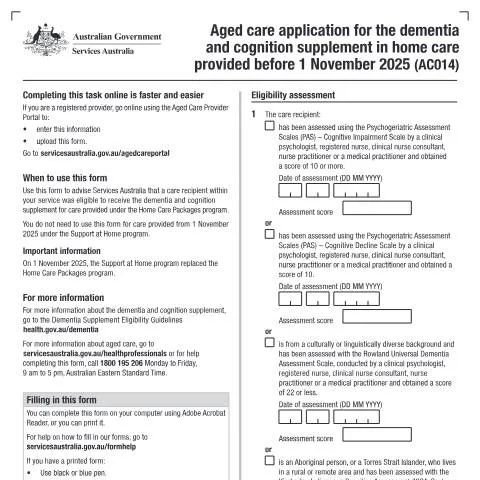
For families and caregivers of individuals living with dementia, securing the right support is essential. In the context of aged care, the Aged Care Application for the Dementia and Cognition Supplement in Home Care Provided Before 1 November 2025 (AC014) form is a critical component. This document can significantly influence the quality of care available to those in need. Understanding its function, the application process, and its implications can greatly benefit those involved.
Understanding Your Rights and Responsibilities
Filling out the AC014 form is not just about accessing financial supplements; it's about ensuring that individuals with dementia receive the care they require. When you submit this application, you're advocating for essential support that can enhance the quality of life for someone struggling with cognitive decline.
What You Can Expect
Submitting the AC014 form opens avenues for additional funding, which can be allocated towards personalized care services. This could include specialized in-home support, activities designed to stimulate cognitive engagement, and resources tailored to individual needs. However, the process also comes with certain responsibilities:
- Accurate Information: It's vital to provide complete and accurate information. Incomplete applications can lead to delays or denials.
- Timely Submission: Be aware of deadlines. Late submissions may result in loss of funding or support.
- Ongoing Communication: Stay in touch with Service Australia for any updates or additional information that may be required.
The Profile of Eligible Applicants: Who Should Apply?
The AC014 form is designed for a specific group of individuals and their circumstances. Understanding whether you fit this profile is essential in determining if you should proceed with the application.
Criteria for Eligibility
To be eligible to submit the AC014 form, applicants typically fall into one of the following categories:
- Individuals diagnosed with dementia who are receiving home care services.
- Caregivers or family members acting on behalf of a person with dementia.
- Older adults living in defined aged care settings who require additional cognitive support.
It’s important to note that exceptions may apply based on individual circumstances. For example, if someone has recently transitioned from hospital care to home care, they may also qualify for the supplement, even if their official diagnosis is not yet fully documented.
Integrating AC014 into Broader Care Needs
The AC014 form doesn't exist in a vacuum; it plays a part in a larger strategy for aged care and cognitive support. Understanding where this application fits within the bigger picture can facilitate a smoother process.
Related Applications and Services
When applying for the AC014 supplement, it is also beneficial to be aware of other services and forms that may complement this application:
- My Aged Care Assessment: A comprehensive assessment that determines the level of care required.
- Home Care Packages: These packages provide funding for a range of services tailored to individual needs.
- Carer Support Programs: Funding and resources available to support those who provide care.
Familiarizing yourself with these related services will allow for a more holistic approach to aged care, enhancing the options available to both caregivers and recipients.
Submission Pathways: How to Lodge Your Application
Once you have completed the AC014 form, understanding the various submission options is crucial for ensuring that your application is processed efficiently.
Submission Channels Explained
The AC014 form can be lodged through different channels. Here are the available options:
| Submission Method | Description | Pros and Cons |
|---|---|---|
| Online via myGov | Submit your application using the myGov portal for a streamlined process. | Pros: Fast processing, immediate confirmation. Cons: Requires a myGov account. |
| Mail Submission | Send a physical copy of the application to Services Australia. | Pros: Useful if you prefer paper documentation. Cons: Longer processing time. |
| In-Person at Service Centres | Drop off your application at a local Services Australia branch. | Pros: Direct assistance available. Cons: May require waiting in line. |
Each method of submission has its own merits. The choice largely depends on your comfort level with technology and personal preferences.
Monitoring Your Application: Steps to Follow
After you have sent off your application, it's important to know how to track its progress and what to do if you encounter issues.
Steps to Monitor and Follow Up
- Confirmation of Submission: Ensure you receive confirmation—whether through email or a receipt—indicating that your application has been received.
- Set a Reminder: Monitor the progress periodically; aim to check in after a few weeks to see if any further information is needed.
- Contact Services Australia: If you haven’t heard back within the expected timeframe, reach out to the agency directly for updates.
Being proactive in following up on your application not only demonstrates your commitment but can also expedite any additional actions required on your part.
Special Circumstances: Unique Cases and Considerations
Life is often unpredictable, and special circumstances can influence the application process for the AC014 form. Recognizing these unique cases is essential to navigate potential hurdles.
Common Exceptional Scenarios
- Non-residents: If the individual requiring care is a temporary resident or visitor, specific criteria may apply regarding eligibility.
- Minors: If the person in need of care is under 18, additional assessments may be required, or alternative care options might be more suitable.
- Urgent Needs: In cases of sudden diagnosis or rapid cognitive decline, expedited processing may be available. It’s essential to discuss these needs directly with Services Australia.
Understanding these special considerations can help applicants address challenges more effectively, ensuring that necessary support is not delayed.
Timing Matters: Key Dates and What to Expect Next
Filing the AC014 form is just one step in your journey towards securing the necessary support for dementia care. Being aware of timelines can help manage expectations.
Important Dates to Remember
While exact timelines may vary, here are general guidelines:
- Application Period: Ensure applications are submitted prior to the deadline set for 1 November 2025 to be eligible for the supplement.
- Processing Time: Typically, allow several weeks for processing; follow up if confirmations are not received within this timeframe.
- Post-Submission Actions: After approval, you will receive guidance on how to utilize the funding and additional support available for caregiving.
Properly managing these dates ensures that you don’t miss out on essential benefits and allows for effective planning in caregiving strategies.
Continuous Updates and Resources: Staying Informed
As policies and procedures can evolve, staying informed about any changes to the AC014 process or related aged care systems is crucial.
Where to Find Up-to-Date Information
Regularly checking the official channels for updates can provide clarity and reassurance:
- Services Australia Website: The first stop for any changes related to the AC014 form and aged care supplements.
- Community Support Groups: Engaging with local support networks can provide practical insights and shared experiences from others navigating similar processes.
- Healthcare Providers: Consultations with professionals in the aged care sector can offer personalized advice relevant to your situation.
By remaining proactive about information gathering, you empower yourself and those you care for, ensuring the best possible care outcomes.
Understanding Eligibility Criteria for the Dementia and Cognition Supplement
To access the Aged Care Dementia and Cognition Supplement (DCS) through the Home Care Package, it is crucial to understand the eligibility criteria established by the Department of Health and Aged Care. Primarily, this supplement is designed for individuals with a diagnosed cognitive impairment or dementia that have been assessed as requiring additional support beyond standard care provisions.
Eligibility hinges on several factors:
Clinical Assessment: Individuals must undergo a clinical assessment by an approved aged care assessor. This assessment evaluates cognitive function and effectively determines whether a person qualifies for additional funding through the DCS. Common tools used in this assessment include the Mini-Mental State Examination (MMSE) or the Montreal Cognitive Assessment (MoCA).
Home Care Package Level: The level of the Home Care Package also plays a pivotal role. The DCS is typically available to those in higher-level packages (Level 2 and above) due to the increased complexity of care that individuals with cognitive impairments generally require. It’s essential for applicants to confirm their package status prior to applying.
Medical Documentation: A comprehensive medical history is an integral part of the application. This includes a formal diagnosis from a qualified medical practitioner that confirms the presence of dementia or cognitive impairment along with any relevant treatment history. Ensuring that all documentation is accurate and up to date can significantly expedite the application process.
Ongoing Evaluation: Once the DCS is granted, it's subject to periodic evaluations. The Aged Care Quality and Safety Commission may conduct follow-up assessments to ensure ongoing eligibility, which may result in adjustments to the funding based on the individual’s changing health status.
Understanding these elements not only qualifies applicants for the DCS but also empowers them to effectively communicate their needs and circumstances during the assessment process.
Application Process: Detailed Steps and Best Practices
Applying for the Dementia and Cognition Supplement (AC014) can seem daunting, but breaking it down into manageable steps can streamline the process. Here’s a detailed guide to assist applicants in navigating the application.
Gather Required Documentation: Before initiating the application, compile all necessary documents. This includes identification papers, a detailed care plan, medical assessments, and any prior correspondence with aged care providers. It’s advisable to have these documents in both physical and digital formats, as electronic submissions via myGov are frequently preferred.
Complete the Application Form (AC014): The AC014 form must be filled out accurately. It’s often available through the myGov portal, which requires a Tax File Number (TFN) for login. Ensure that all sections are filled out comprehensively. Misplaced information can lead to delays or even denial of the application.
Submit the Application: Once completed, submit the AC014 form through the designated channels. This typically involves uploading your documents to myGov or sending them directly to the relevant authorities, such as Services Australia. Confirm submission by checking for any acknowledgment of receipt.
Follow Up: After submission, it’s critical to follow up within a few weeks. Contacting Services Australia or the relevant department will provide clarity regarding the status of your application. Keep a record of any case numbers or correspondence for future reference.
Prepare for Assessment: If your application progresses, be ready for a follow-up assessment. This may involve home visits by assessors who will evaluate the support needs directly related to dementia and cognition. Having family members or caregivers present to discuss daily challenges can furnish assessors with valuable insights.
Stay Informed About Changes: As policies can evolve, staying informed about any changes to the Aged Care system and the Dementia and Cognition Supplement is vital. Regularly check the Department of Health and Aged Care’s website and subscribe to newsletters or updates if available.
By following these best practices, applicants can enhance their chances of a successful application and ensure that they receive the necessary support tailored to their needs.
Navigating Funding and Support Services After Application Approval
Once your application for the Dementia and Cognition Supplement has been approved, understanding how to navigate funding and associated support services becomes paramount. This not only helps in maximizing the benefits received but also ensures that care is tailored to the specific needs of individuals with dementia or cognitive impairments.
Understanding Funding Allocation: The DCS is designed to provide additional funding that can be used to access a variety of services. This funding can be used to hire qualified carers, purchase specialized equipment, or engage therapeutic services. It is vital for recipients to regularly consult their care plan to determine how best to allocate these funds efficiently to meet their needs.
Choosing Appropriate Service Providers: When utilizing DCS funding, individuals have the option to choose from a variety of service providers. It is crucial to select providers who have experience working with individuals suffering from dementia or cognitive impairments. Look for providers who offer tailored programs and have a good track record of positive outcomes.
Regular Review of Care Needs: As dementia is a progressive condition, monitoring changes in the individual’s health and care needs is essential. Regularly reviewing the care plan in consultation with healthcare professionals ensures that the services provided are aligned with the individual’s current state. This may include adjusting the level of care or introducing new supports as required.
Accessing Additional Resources: Beyond the DCS, several community services and resources are available that can provide additional support. Local councils often have programs for social inclusion and activities specifically catered to individuals with dementia. Explore both governmental and non-governmental organizations that focus on dementia care to further enhance the care experience.
Advocacy and Support Networks: Engaging with advocacy groups or support networks can provide valuable insights and additional resources. These groups often offer workshops, educational materials, and peer support that can be incredibly beneficial for both individuals and caregivers. Connecting with others experiencing similar challenges can provide emotional support and practical advice.
Feedback and Continuous Improvement: Once services are in place, providing feedback to service providers is key to improving care quality. It helps identify areas needing adjustment and reinforces the importance of personalized care. Most organizations will welcome constructive feedback, which can lead to improved services for everyone involved.
By effectively managing the funding and support services post-approval, individuals and their families can ensure that they are receiving optimal care tailored to their specific needs, fostering a more comfortable and secure living environment.