Navigating the Complexity of IRS Publication 5839: A Comprehensive Guide
As the landscape of financial assets evolves, so too does the regulatory framework governing them. IRS Publication 5839—released in July 2023—serves as a crucial guideline for understanding digital assets in the realm of taxation. Those who engage with cryptocurrencies and other forms of digital currency must grasp the implications of this publication to ensure compliance with the Internal Revenue Service (IRS) requirements.
The Emergence of Digital Assets: Rationale Behind IRS Publication 5839
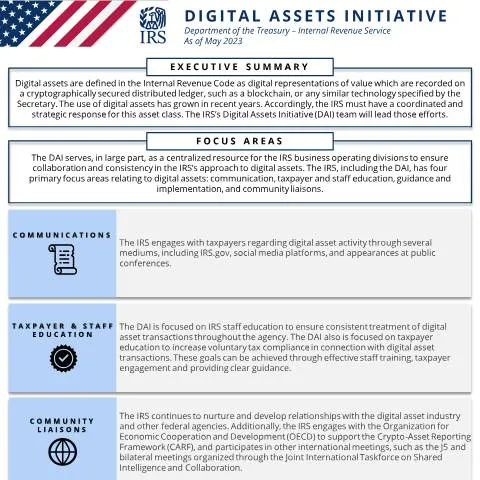
Digital assets are not simply a passing trend; they represent a significant evolution in how value is stored and transacted. Defined by the IRS as digital representations of value recorded on cryptographically secured distributed ledgers—such as blockchains—these assets have gained traction over recent years. The rise of cryptocurrencies has catalyzed the IRS's need for a strategic response, leading to the establishment of the Digital Assets Initiative (DAI). This initiative coordinates the IRS’s efforts in managing the complexities associated with digital asset transactions.
Historical Context and Regulatory Framework
The IRS has recognized digital assets as a property class for federal income tax purposes. This shift is rooted in the growing acceptance and use of cryptocurrencies in everyday transactions. The Infrastructure Investment and Jobs Act (IIJA) has also mandated new reporting requirements for digital asset transactions, making IRS Publication 5839 an essential document for taxpayers involved in this space.
Who Needs to File and Why It Matters
Publication 5839 is relevant for a variety of stakeholders in the digital asset ecosystem, including but not limited to:
- Individual taxpayers who buy, sell, or trade cryptocurrencies.
- Businesses accepting digital currencies as payment.
- Investors holding digital assets for speculative purposes.
Failure to comply with the guidelines outlined in this publication could result in significant penalties, including fines and back taxes. Understanding the nuances of how to report these assets is vital for both legal compliance and financial planning.
Obligations for Taxpayers
Taxpayers must accurately report any gains or losses associated with their digital assets. The IRS requires that these transactions be reported on Schedule D of Form 1040. Moreover, if digital assets are exchanged for goods or services, this too must be documented as taxable income. The implications are clear: maintaining meticulous records of all transactions is non-negotiable.
A Step-by-Step Guide to Completing IRS Publication 5839
Filling out IRS Publication 5839 involves several steps. Here’s a straightforward process to guide taxpayers through this essential task:
- Gather Documentation: Collect all relevant records of your digital asset transactions, including purchase receipts, exchange statements, and any other documentation reflecting income or losses.
- Calculate Gains and Losses: Determine the fair market value of your digital assets at the time of acquisition and the time of sale. This information is vital for reporting purposes.
- Complete Schedule D: Enter your calculated gains and losses on Schedule D of your Form 1040. Ensure that you follow the specific guidelines set forth by the IRS in Publication 5839.
- File Your Return: Submit your tax return, including all required schedules and forms, to the IRS before the deadline, typically April 15.
Required Documentation by Situation
Different circumstances necessitate varying documentation when submitting tax returns involving digital assets. Here are some scenarios along with their specific documentation requirements:
| Situation | Required Documentation |
|---|---|
| Buying Digital Assets | Purchase receipts, exchange confirmations, transaction logs |
| Selling Digital Assets | Sale receipts, exchange confirmations, fair market value at the time of sale |
| Using Digital Assets for Transactions | Invoices, payment confirmations, records of the value of goods/services received |
| Mining Digital Assets | Mining income records, associated expenses, valuation at the time of receipt |
Note: Always keep records for at least three years after filing your tax return, as this is the standard period during which the IRS can audit your returns.
What to Do in Case of Issues or Errors
Taxpayers may encounter various issues when filing their returns involving digital assets. Whether it's an error in reporting or a missing piece of documentation, knowing how to address these problems is essential:
Addressing Errors
If you realize there’s a mistake on your tax return after filing, it’s crucial to take action promptly:
- File an Amended Return: Use Form 1040-X to amend your return. Be sure to explain the changes made and provide any necessary documentation.
- Keep Records: Maintain a copy of both the original and amended returns for your records, along with any correspondence with the IRS.
Missing Documentation
If you find that you’re missing necessary documentation after filing, take these steps:
- Request Copies: Contact exchanges or services you used to obtain duplicate records.
- Document Your Efforts: Keep a log of your attempts to secure missing documentation in case the IRS requests it.
Filing Channels: Online vs. Paper Submissions
Understanding the different channels available for filing IRS Publication 5839 can streamline the process and reduce errors.
Online Submission
Filing online through IRS-approved e-filing systems can expedite processing and reduce the likelihood of errors. Advantages of e-filing include:
- Instant confirmation of receipt.
- Automatic calculations to minimize math errors.
- Access to free filing services for qualifying taxpayers.
Paper Submission
While e-filing is generally encouraged, some taxpayers may prefer or need to file a paper return. Here’s what to consider:
- Print and complete Form 1040 and all applicable schedules, including Publication 5839.
- Mail the completed forms to the appropriate IRS address based on your state.
- Expect longer processing times, especially during peak filing season.
Community Engagement and Future Guidance
The IRS is not just a regulatory body; it is actively engaged in educating taxpayers about digital assets through various channels. The DAI's role includes:
- Providing guidance on compliance related to digital asset transactions.
- Engaging with the digital asset industry and other federal agencies to enhance understanding of emerging trends.
- Offering resources and information on IRS.gov dedicated to digital asset issues.
As the digital asset landscape continues to evolve, the IRS is expected to release further guidance related to regulatory requirements, particularly as they pertain to the reporting of digital asset transactions. Staying informed about these developments is crucial for all stakeholders in this dynamic environment.
Final Considerations for Taxpayers
IRS Publication 5839 is not merely a bureaucratic document but a vital roadmap for navigating the complexities of reporting digital assets. Taxpayers must stay vigilant about compliance, meticulously document their transactions, and leverage available resources for support. By adhering to the guidelines set forth in this publication, individuals and businesses can effectively manage their digital asset transactions while meeting their tax obligations.
Understanding IRS Publication 5839: Tax Treatment for Foreign Income
IRS Publication 5839 provides critical guidelines for U.S. citizens and resident aliens earning income from foreign sources. Understanding how foreign income is taxed is essential for ensuring compliance with U.S. tax laws and maximizing available deductions. The publication clarifies how to report foreign earnings, the treatment of foreign taxes paid, and eligibility for foreign tax credits or exclusions.
One significant aspect covered in this publication is the reporting requirements for foreign income. U.S. taxpayers must report foreign income on Form 1040, including wages, dividends, and other earnings. The requirement extends to foreign bank accounts, where taxpayers must also adhere to the Foreign Bank and Financial Accounts Report (FBAR) filing rules if their aggregate foreign accounts exceed $10,000 at any time during the calendar year.
Taxpayers can benefit from the Foreign Earned Income Exclusion (FEIE), which allows eligible individuals to exclude up to a specified amount of foreign earned income from U.S. taxation. However, this exclusion requires filing Form 2555, and the amount may vary depending on the year. To qualify, you must meet the physical presence test or the bona fide residence test.
Additionally, taxpayers who paid foreign taxes may be eligible for a foreign tax credit, which can help reduce their U.S. tax liability. It's essential to understand the nuances of claiming this credit, including how to calculate the allowable amount and the limitations based on overall income and tax rates.
Common Challenges Faced by Taxpayers When Navigating IRS Publication 5839
Navigating IRS Publication 5839 can pose challenges for many taxpayers, particularly those unfamiliar with the complexities of international taxation. One common issue arises from misunderstanding the criteria for qualifying for the Foreign Earned Income Exclusion. Taxpayers often mistakenly believe that any overseas employment qualifies, but they must fulfill specific residency requirements, and their employment must be in a foreign country.
Another challenge is accurately reporting foreign income and expenses. Taxpayers may encounter difficulties in converting foreign currencies to U.S. dollars for reporting purposes. The IRS requires that all foreign income and taxes be reported in U.S. dollars, using the exchange rate on the date of receipt or an average rate for the year, depending on the method chosen. Incorrect reporting can lead to audit triggers or penalties.
Furthermore, the interaction between U.S. and foreign tax systems can create confusion. For instance, the regulations regarding foreign tax credits can be intricate, especially when multiple countries are involved. Taxpayers must ensure they understand the limitations on claiming foreign tax credits, including calculations that require knowledge of various forms of income and tax rates.
Finally, taxpayers often overlook the implications of treaties between the U.S. and other countries, which can affect tax liabilities. Understanding how these treaties apply can mitigate double taxation but requires careful review and application of specific treaty provisions.
Best Practices for Utilizing IRS Publication 5839 Effectively
To effectively utilize IRS Publication 5839, taxpayers should consider several best practices. First and foremost, it is advisable to seek professional guidance, particularly for complex international tax situations. A qualified tax professional familiar with both U.S. tax law and foreign tax regulations can provide invaluable insights and help navigate the intricacies of reporting foreign income and claiming appropriate deductions.
Another best practice is to maintain meticulous records of all foreign income, expenses, and taxes paid. This documentation is crucial for substantiating claims made on tax returns and can be the key to a successful audit defense. Taxpayers should keep records of foreign bank statements, pay stubs, and any correspondence related to foreign tax obligations.
Additionally, taxpayers may benefit from familiarizing themselves with the content of other relevant IRS publications and resources that complement Publication 5839. For example, IRS Publication 54 covers tax information for U.S. citizens and resident aliens abroad, providing further context and detail that could assist in understanding the tax implications of living and working overseas.
Moreover, utilizing tax preparation software designed for expatriates can streamline the process of reporting foreign income. These programs often have built-in functionalities to guide users through the complexities of international tax filing, ensuring that all necessary forms are completed accurately and efficiently.
Lastly, staying informed about any updates or revisions to IRS Publication 5839 is essential, as tax laws and regulations can change. Regularly checking the official IRS website can ensure that taxpayers are using the most current information and are aware of any new provisions or guidelines that may affect their tax situation.