Navigating the IRS Publication p5817g: A Comprehensive Guide
Understanding the IRS Publication p5817g is essential for individuals and organizations seeking to leverage tax credits related to clean energy initiatives. This publication outlines the specific requirements for taking advantage of clean energy tax incentives under the Inflation Reduction Act of 2022.
The Vital Role of IRS Publication p5817g
IRS Publication p5817g serves as a crucial document for entities looking to understand how to apply for clean energy tax credits. The publication delineates the elective pay provision, which allows certain entities, including tax-exempt organizations and local governments, to treat the amount of these credits as direct payments against taxes owed. This can significantly help organizations that don't typically pay taxes but invest in clean energy.
Understanding Elective Pay Eligible Tax Credits
Elective pay enables eligible taxpayer categories to receive cash payments instead of tax credits, effectively enhancing cash flow for organizations working on renewable energy projects.
- Tax-exempt organizations
- State and local governments
- Tribal governments
- Smaller businesses engaged in renewable energy
Who Should Consider Publication p5817g?
This publication is not exclusively for large corporations; small businesses and non-profit entities heavily involved in sustainable practices can also benefit significantly. It is particularly beneficial for:
- Organizations aiming to install renewable energy systems.
- Government agencies looking to enhance sustainability efforts.
- Entities eligible for the Production Tax Credit (PTC) and Investment Tax Credit (ITC).
Key Components of IRS Publication p5817g
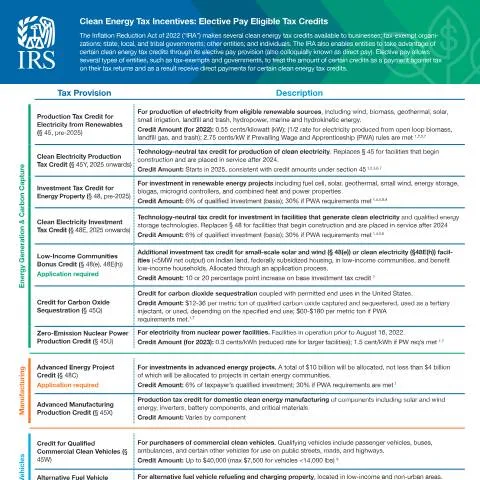
Publication p5817g details several tax provisions that are crucial for those engaging in clean energy projects:
| Tax Provision | Description | Credit Amount |
|---|---|---|
| Production Tax Credit (PTC) | For producing electricity from eligible renewable sources. | 0.55 cents/kW; 2.75 cents if PWA requirements are met. |
| Investment Tax Credit (ITC) | For investment in renewable energy projects. | 6% of qualified investment; 30% if PWA requirements met. |
| Bonus Credits for Low-Income Communities | Additional investment tax credits for projects in low-income areas. | 10-20% increase on base investment tax credit. |
Filling Out the Publication p5817g: Step-by-Step Process
When preparing to apply for the tax credits described in Publication p5817g, it is essential to follow a structured approach:
- Gather all necessary documentation to support your eligibility.
- Ensure compliance with prevailing wage and apprenticeship requirements where applicable.
- Calculate the amount of the tax credit based on your renewable energy investments.
- Complete the necessary forms accurately, referring to the guidance in Publication p5817g.
- Submit the forms to the IRS via your chosen filing method.
Important Supporting Documents
Depending on your situation, the following documents may be essential:
- Proof of expenditures on renewable energy projects
- Documentation proving eligibility for tax credits
- Contracts and agreements related to your energy projects
Submission Methods: Paper vs. Online
Entities can file their applications through various channels. Each channel has its pros and cons:
- Online Filing: Quick and efficient, allowing for immediate confirmation of receipt.
- Paper Filing: Suitable for those who prefer traditional methods, but it may take longer to process.
- Direct Submission at Local IRS Office: Provides the benefit of in-person assistance, especially for complex submissions.
Key Dates and Deadlines
Timely submission is critical. The general timeline for applications related to clean energy tax credits generally aligns with tax filing deadlines:
- Filing Period: Begins January 1 and ends April 15 for most entities.
- Extensions: Entities may request extensions through the IRS form; however, this does not extend the payment deadline.
What Comes After Filing?
Once your application is submitted, monitoring its progress is vital. You can:
- Check the status of your claim through the IRS online portal.
- Contact the IRS directly for queries pertaining to your application.
- Prepare for potential audits or require additional documentation if the IRS requests it.
Tax Credits vs. Other Tax Benefits: A Comparative Look
While the clean energy tax credits listed in Publication p5817g are significant, they differ from other forms of tax relief:
| Type of Benefit | Characteristics | Applicability |
|---|---|---|
| Tax Credits | Direct reduction of tax liability; refundable in certain cases. | Clean energy projects, low-income community initiatives. |
| Deductions | Reduce taxable income rather than tax owed. | General business expenses and charitable contributions. |
| Exemptions | Exclusions from taxable income. | Specific income types, such as certain government bonds. |
Final Thoughts: Maximizing Your Benefits from IRS Publication p5817g
Successfully navigating the requirements outlined in IRS Publication p5817g can lead to substantial financial benefits for eligible entities. It's vital to stay informed about regulatory changes and ensure compliance with all IRS guidelines to maximize your clean energy incentives. Engaging with professionals who specialize in tax credits may also enhance your understanding and execution of these processes.
Understanding IRS Publication 5817g: Key Insights and Applications
IRS Publication 5817g provides essential guidance regarding tax deductions and credits available to taxpayers in the United States. This publication is particularly valuable for individuals and businesses seeking to maximize their financial benefits while remaining compliant with federal tax laws. The IRS issues updated forms and publications regularly, so it's crucial for taxpayers to reference the most current edition to ensure accurate filing and deduction claims.
One significant area covered in Publication 5817g is the categorization of deductible expenses. Taxpayers must understand the difference between direct and indirect costs, as this distinction plays a critical role in determining what qualifies for deductions. Direct costs are those that can be traced directly to the production of goods or services, while indirect costs encompass expenses that are necessary for the overall operation but not directly tied to a specific output. Familiarizing oneself with these definitions can aid taxpayers in substantiating their claims should the IRS request documentation during an audit.
Furthermore, Publication 5817g outlines the eligibility criteria for various credits that can significantly lower tax liabilities. For instance, it details the parameters around the Earned Income Tax Credit (EITC) and how it benefits low to moderate-income working individuals and families. Understanding income thresholds, qualifying children, and filing status can help taxpayers evaluate their eligibility for this and other credits. Keeping abreast of any changes in the law or guidelines provided in the publication is essential, especially as they can vary each tax year.
Common Misconceptions Surrounding Deductions and Credits
Taxpayers often grapple with common misconceptions regarding deductions and credits, which can lead to erroneous filings and potential penalties. One such misconception is that all expenses incurred in the course of conducting business are fully deductible. While many expenses can be deducted, the rules vary significantly, and not all costs may qualify. Publication 5817g serves as a clarifying resource, delineating which expenses are eligible and which are not.
Another misconception is related to the belief that tax credits are simply an alternative to deductions. However, this is not accurate; tax credits directly reduce the amount of tax owed on a dollar-for-dollar basis, while deductions lower taxable income. This fundamental difference can have a considerable impact on the overall tax bill, making it vital for taxpayers to understand how to leverage both appropriately.
Publication 5817g also addresses the nuances associated with timing. Taxpayers often mistakenly believe they can claim deductions in the year they incur expenses without considering the matching principle, which states that expenses should be matched to the revenues they generate. This principle is particularly relevant for businesses that employ accrual accounting. Taxpayers should familiarize themselves with the timing of their deductions to optimize tax benefits and comply with IRS regulations.
Practical Steps for Utilizing IRS Publication 5817g Effectively
To effectively utilize IRS Publication 5817g, taxpayers should take several practical steps to ensure they benefit from the guidance it provides. First, it's advisable to read through the entire publication carefully, paying close attention to sections that directly relate to their unique circumstances. This will help in identifying potential deductions and credits they may not have previously considered.
Next, maintaining meticulous records is essential. Taxpayers should keep detailed receipts and documentation for all expenses they plan to deduct. According to the IRS, claiming deductions without proper documentation can lead to disallowance, effectively nullifying the tax benefit and possibly incurring penalties. Organizing records using a system that works for them—whether digital or physical—will streamline the tax filing process.
Additionally, taxpayers should consider consulting a tax professional, especially if their finances are complex or if they are unsure about interpreting information from Publication 5817g. A qualified tax preparer can provide personalized advice, ensuring that taxpayers take full advantage of available deductions and credits while navigating the intricate tax landscape.
Finally, it is essential to stay updated on any revisions to IRS publications and tax laws that may occur annually. Subscribing to the IRS mailing list or regularly checking the IRS .gov website can help taxpayers remain informed about critical updates that could affect their tax situation.