Navigating IRS Publication 5533-B: A Comprehensive Guide for Tax Professionals
When it comes to managing tax matters, understanding the ins and outs of IRS Publication 5533-B becomes essential for tax professionals and their clients alike. This publication provides a structured approach to submitting Powers of Attorney (POA) or Tax Information Authorizations (TIA). For many taxpayers, engaging with the IRS through a representative is not just a convenience; it's a necessity. Therefore, familiarizing oneself with this document can streamline communication and enhance compliance with IRS regulations.
Understanding the Core Components of Publication 5533-B
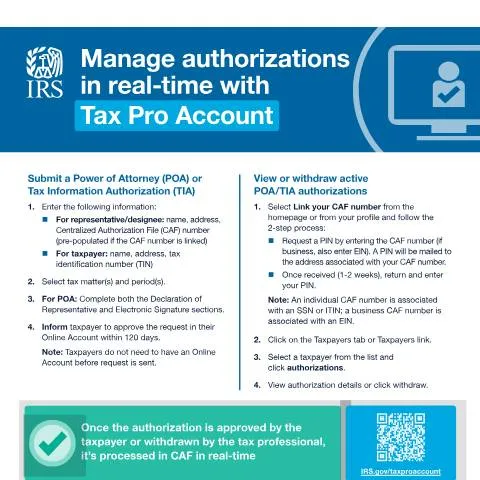
Publication 5533-B outlines a clear set of instructions for submitting POAs and TIAs. Here, we break down the essential components of this document to ensure accurate and timely submissions.
The Tax Professional's Role
Tax professionals play a pivotal role in helping clients navigate their tax responsibilities. To initiate a POA or TIA, the professional must provide:
- Professional Details: This includes their full name, address, and Centralized Authorization File (CAF) number.
- Taxpayer Information: The taxpayer's name, address, and Tax Identification Number (TIN) must be provided to ensure accurate identification.
Selecting Tax Matters and Periods
In this section, the tax professional must specify which tax matters and periods for which they are seeking authorization. Accurate selection is crucial, as it defines the scope of the authorization.
Steps to Successfully Submit Publication 5533-B
Completing and submitting Form 5533-B involves a series of steps that must be performed accurately to avoid delays. Here’s how to navigate this process effectively:
Step-by-Step Submission Process
- Enter Professional and Taxpayer Details: Fill in the required personal and tax information accurately.
- Select Tax Matters: Identify the specific tax issues and relevant periods that require authorization.
- Electronic Signature: For POA submissions, check the box for electronic signature and submit for validation. This step is critical to ensure the IRS recognizes the authorization.
- Optional Approval Notification: It is advisable to inform the taxpayer to approve the request via their Online Account.
Handling Common Situations: What if Issues Arise?
Despite careful preparation, issues may still arise during the submission or processing of a POA or TIA. Here’s how to address common concerns:
Refusals and Errors
In case of a refusal or error, it’s vital to understand the reasons behind it:
- Verification Issues: If the details provided do not match IRS records, the submission may be denied. Hence, always verify accuracy before submission.
- Missing Information: Incomplete documentation can lead to processing delays. Review the submission requirements carefully to ensure all necessary information is included.
Addressing Missing Documentation
If a piece of documentation is missing, the IRS may contact the tax professional or taxpayer directly. It is critical to respond promptly to avoid any lapse in authorization status.
Documenting Your Authorization: Importance of Record-Keeping
Maintaining accurate records is not only a best practice but a necessity when navigating tax responsibilities. Tax professionals should keep detailed records of all submissions, including:
- Date of Submission: Document when the POA or TIA was filed.
- Confirmation of Receipt: Know how to confirm that the IRS has received your submission.
- Follow-Up Details: Keep track of any communications related to the authorization request.
Linking Your CAF Number: Simplifying Future Authorizations
Linking your CAF number is crucial for the efficient management of tax authorizations. This process involves a two-step verification to enhance security:
Step-by-Step Linking Process
- Select the option Link a CAF number from your profile.
- Follow the two-step process to request a Personal Identification Number (PIN) and enter the PIN when it arrives, allowing 1-2 weeks for this to happen.
Managing Active Authorizations
Tax professionals can easily monitor and manage their active POA and TIA authorizations through their Tax Pro Account. Steps include:
- Selecting a taxpayer from the Taxpayers tab.
- Clicking on Authorizations to view active submissions regardless of how they were submitted.
Who Can Initiate a POA or TIA?
It’s crucial to recognize who is eligible to initiate these authorizations under IRS guidelines. The following profiles are authorized:
- Attorneys: Licensed attorneys can initiate POAs on behalf of their clients.
- CPAs and Enrolled Agents: Certified Public Accountants and enrolled agents also have the authority to act as representatives.
- TIA Requests: Unlike POAs, anyone with a valid CAF number can initiate a Tax Information Authorization.
Comparison of POA and TIA: Understanding the Nuances
| Authorization Type | Who Can Initiate | Scope of Authority |
|---|---|---|
| Powers of Attorney (POA) | Attorneys, CPAs, Enrolled Agents | Can represent taxpayers at IRS hearings, discussions, and negotiations. |
| Tax Information Authorization (TIA) | Anyone with a valid CAF number | Allows access to taxpayer information but does not allow representation at hearings. |
The Significance of Publication 5533-B in the Larger IRS Framework
Understanding the role of IRS Publication 5533-B within the broader spectrum of IRS processes can improve a tax professional's strategic approach. The publication not only facilitates communication between taxpayers and the IRS but is also integral to managing tax liabilities effectively.
In navigating tax obligations, ensuring compliance through proper authorization is crucial. Tax professionals must leverage resources like Publication 5533-B to enhance their service delivery, ensuring taxpayers can confidently engage with the IRS.
Understanding IRS Publication 5533B: A Comprehensive Overview
IRS Publication 5533B, also known as the "Guidelines for Handling Federal Tax Information," provides essential information about the legal framework surrounding the processing and confidentiality of federal tax information. It is particularly crucial for tax professionals, government agencies, and individuals who handle sensitive tax data. This publication outlines the responsibilities of taxpayers and the IRS in protecting this information, detailing how it must be managed under U.S. law.
The publication emphasizes the importance of compliance with the Internal Revenue Code (IRC), specifically sections that govern the disclosure of tax information. For example, Section 6103 of the IRC offers strict guidelines on who can access tax records and under what circumstances. Understanding these provisions is vital for both tax professionals who may be sharing information with clients and individuals seeking to understand their rights and obligations regarding their tax data.
Moreover, it outlines the processes for the secure transmission of taxpayer information, highlighting the importance of using encrypted channels when sharing sensitive documents. This aspect is especially valuable in today’s digital age, where data breaches have become increasingly common. Taxpayers are encouraged to utilize secure methods when communicating personal tax information to avoid identity theft and other cybersecurity threats.
Key Sections and Provisions of IRS Publication 5533B
IRS Publication 5533B is structured into several key sections that each cover distinct aspects of tax information handling. Understanding these sections can help taxpayers and professionals ensure they are in compliance and protecting taxpayer data effectively.
1. Confidentiality and Privacy Measures
One of the primary focuses of Publication 5533B is the confidentiality of taxpayer information. It discusses various privacy measures that must be employed by any entity processing federal tax data. For instance, tax preparers are advised to establish clear protocols regarding data storage and access, ensuring that only authorized personnel have access to sensitive information. Training employees on data confidentiality and privacy laws is also a critical recommendation outlined in this publication.
2. Authorized Disclosure and Exceptions
The publication discusses instances where tax information may legally be disclosed, including situations involving law enforcement or court orders. It defines what constitutes “authorized disclosure” and explicitly outlines the exceptions under which information may be shared. For instance, taxpayers may consent to share their tax information with specific third parties, such as lenders or other financial institutions, but this must be documented and compliant with IRS regulations.
3. Reporting Requirements for Tax Professionals
Tax professionals have specific reporting obligations when it comes to handling taxpayer information. Publication 5533B details the requirements for filing tax returns and other forms while emphasizing the necessity of accurate reporting. It also discusses the penalties that can be imposed for the unauthorized disclosure of taxpayer information, highlighting the importance of meticulous record-keeping and adherence to all reporting standards.
Practical Applications of IRS Publication 5533B
IRS Publication 5533B serves as a vital resource not only for tax professionals but also for average taxpayers who wish to understand their rights and responsibilities concerning their tax information. Here, we delve into some practical applications of the insights provided in the publication.
1. For Individuals: Protecting Your Personal Tax Information
As an individual taxpayer, understanding IRS Publication 5533B empowers you to take proactive measures in safeguarding your personal tax information. For instance, when working with a tax preparer, you can ask about their data protection policies to ensure they align with the guidelines set out in the publication. Additionally, it's a good practice to review any documents you sign concerning the disclosure of your tax information, ensuring that you are comfortable with who has access to your sensitive data.
2. For Tax Professionals: Establishing Best Practices
Tax professionals should use the guidelines in Publication 5533B to develop robust data protection frameworks within their practices. This might include conducting regular staff training on confidentiality, establishing secure communication channels with clients, and implementing strict access controls to sensitive data. Additionally, tax professionals should keep abreast of any updates to the publication to ensure ongoing compliance with IRS regulations and best practices for data protection.
3. Implications for Organizations: Compliance and Risk Management
Organizations that handle federal tax information, such as businesses or non-profits, must also adhere to the guidelines established in IRS Publication 5533B. Implementing comprehensive compliance programs that encompass training, secure data handling, and regular audits can mitigate risks associated with tax data management. Organizations should also have clear internal policies regarding the dissemination of tax information and ensure that all employees are aware of their obligations under federal law.