Understanding IRS Publication 5519KO: Your Guide to Economic Impact Payments
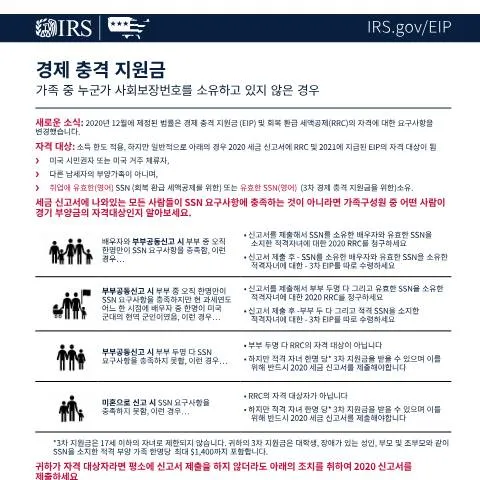
In the wake of economic disruptions, the IRS Publication 5519KO serves as a crucial resource for taxpayers navigating the intricacies of the Economic Impact Payments (EIPs) and the Recovery Rebate Credit (RRC) initiated by new legislation. This document delineates eligibility requirements and provides guidance for those who may not have a Social Security Number (SSN). For individuals and families seeking financial relief, comprehending the implications of this publication is paramount.
Who Should Pay Attention to Publication 5519KO?
IRS Publication 5519KO targets specific demographics that may be affected by the provisions of the recent economic stimulus laws. Understanding who falls within these categories can help taxpayers ensure they don’t miss out on financial support:
- U.S. Citizens and Resident Aliens: Individuals must be U.S. citizens or resident aliens to qualify for the benefits outlined in this publication.
- Non-Dependent Taxpayers: An individual cannot be claimed as a dependent on someone else’s tax return to be eligible for the EIP and RRC.
- SSN Requirements: Valid SSNs are mandatory for both taxpayers and their qualifying children when claiming the RRC and EIPs.
- Families with Mixed SSN Situations: If a spouse or dependent lacks an SSN, it complicates the eligibility for claiming these credits, requiring careful navigation of IRS guidelines.
Special Cases and Exceptions
Taxpayers may find themselves in unique situations that impact their ability to claim EIPs or the RRC:
- Married Couples: If one spouse has an SSN while the other does not, special rules apply for claiming benefits.
- Active Duty Military Personnel: Specific provisions exist for military families that allow for claims even if one spouse lacks a valid SSN.
- Non-filers: Individuals who typically do not file taxes but meet certain income thresholds must take proactive steps to submit a return to qualify for benefits.
Navigating Through Tax Forms and Documentation
Completing your tax forms accurately is vital in facilitating the claim for EIPs and RRCs. The IRS outlines a range of documents and forms required to accompany your filings:
Key Forms and Their Uses
| Form | Description | Purpose |
|---|---|---|
| Form 1040 | U.S. Individual Income Tax Return | Main form for filing individual taxes. |
| Form 8862 | Application for Refund | Required for those who may have previously missed out on credits. |
| Form 15100 | Economic Impact Payment Claim | Use this if you didn’t receive your EIP. |
Preparing Your Documentation
Gathering the necessary documentation is crucial for a smooth filing process:
- Ensure you have a valid SSN for all family members included in your tax return.
- Review prior year’s tax returns for reference and ensure you’re reporting accurate information.
- Keep track of any EIPs received and include this information on your Form 1040.
- If applicable, prepare to use Form 8862 to reclaim credits previously denied.
Submission Channels: Methods to File Your Claims
Taxpayers can choose from several methods to submit their documentation for processing, each with its own nuances and considerations:
Online Submission vs. Paper Filing
Here’s a breakdown of the different submission channels:
| Method | Pros | Cons |
|---|---|---|
| Online Filing | Faster processing, immediate confirmation, direct deposit options. | Requires internet access and potentially software. |
| Paper Filing | Accessible through mail, no need for technology. | Longer processing times and no immediate confirmation. |
| In-Person Submission | Direct interaction with IRS agents, immediate feedback. | Limited locations, potential wait times. |
Deadlines and Timelines
It’s essential to be aware of the filing deadlines to avoid penalties and ensure eligibility:
- The standard tax filing deadline is typically April 15, unless an extension is filed.
- For claims associated with EIPs, ensure submissions are made as soon as possible to accommodate processing times.
- If you miss the deadline, consider filing for an extension to manage your circumstances better.
The Processing Journey: What Happens After You File
After submission, your claims begin a standardized processing journey, which is crucial for ensuring you receive the benefits you're entitled to:
Tracking Your Application
Once you have filed your claim, you can track its status:
- Online Tools: Utilize the IRS’s online tracking tools to monitor your application status.
- Direct Communication: Reach out to IRS representatives for updates or clarifications if necessary.
- Documentation Retention: Keep copies of all submitted forms and correspondence until your claim is fully processed.
Timeline Expectations
While the IRS aims to process claims promptly, timelines can vary based on several factors:
- Generally, electronically filed returns are processed within 21 days.
- Paper returns typically take longer, sometimes up to 6-8 weeks.
- Be prepared for potential delays during peak tax seasons or due to incomplete submissions.
Consequences of Incomplete or Delayed Claims
Failing to submit accurate or timely claims can lead to significant consequences:
Obligations and Rights
- Taxpayers have the right to appeal decisions, but must adhere to strict timeframes and procedures.
- Failure to file or inaccuracies can lead to missed financial assistance, affecting overall economic well-being.
- It’s crucial to understand the implications of non-compliance, such as potential penalties or interest on unpaid taxes.
What You Stand to Lose
Missing out on filing can have tangible financial impacts:
- Loss of EIP: Without proper filing, citizens may forfeit eligibility for substantial financial assistance.
- Recovery Rebate Credit: Taxpayers who don’t act may lose out on credits they are entitled to.
- Impact on Future Filings: Errors or omissions can complicate future tax filings and financial situations.
Addressing Unique and Urgent Situations
For some, the process may be far from straightforward. Unique circumstances require attention and nuanced handling:
Special Cases: Foreign Nationals and Minors
If you are a foreign national or filing on behalf of a minor, different rules may apply:
- Foreign Nationals: They must adhere to specific guidelines regarding SSNs and eligibility. Consulting IRS resources can provide insights.
- Minors: Dependents must have valid SSNs to qualify, complicating claims for families with mixed eligibility.
Emergency Situations
In times of crisis, you may need to expedite your claims:
- Contacting the IRS directly can provide guidance on how to handle urgent claims.
- Utilizing in-person assistance may help navigate the complexities more efficiently.
- Prepare all necessary documentation in advance to streamline the process.
As you navigate through your tax obligations and the intricacies of IRS Publication 5519KO, it’s essential to stay informed and proactive. Avoiding pitfalls and ensuring accurate submissions can open doors to critical financial support during challenging economic times.
Understanding IRS Publication 5519: Overview of the Document
IRS Publication 5519, titled "Understanding Your Tax Responsibilities," serves as a vital resource for taxpayers navigating the complexities of federal taxation. This publication specifically targets self-employed individuals, freelancers, and business owners, providing clarity on various tax obligations, reporting requirements, and potential deductions. Published periodically, it reflects the most current IRS policies and guidelines, enabling taxpayers to stay compliant with the ever-evolving tax landscape.
This publication breaks down critical concepts such as income reporting, estimated tax payments, and self-employment tax. Each section is crafted to offer clear explanations, practical examples, and specific forms relevant to the subject matter. For instance, self-employed individuals may refer to Form 1040 Schedule C for reporting their business income and expenses, while also understanding how to navigate the intricacies of the self-employment tax using Schedule SE.
One of the standout features of Publication 5519 is its emphasis on minimizing tax liabilities through legitimate deductions. The IRS provides guidance on a range of deductible business expenses, from operating costs to home office deductions, ensuring taxpayers are well-informed about what qualifies for deductions. As such, Publication 5519 serves as an essential tool, empowering taxpayers to take full advantage of their rights under the tax code while fulfilling their responsibilities.
Navigating Common Pitfalls: Frequently Overlooked Tax Responsibilities
Despite its comprehensive nature, many taxpayers encounter common pitfalls when it comes to understanding their tax responsibilities. One such issue is the misclassification of workers. For businesses, it’s crucial to accurately determine whether a worker is an independent contractor or an employee, as this classification significantly impacts tax obligations. Misclassifying workers can lead to substantial penalties from the IRS, especially if the agency determines that employment taxes were not properly withheld.
Another frequently overlooked aspect is the importance of maintaining thorough records. IRS Publication 5519 emphasizes the necessity of documenting income and expenses meticulously. Taxpayers should retain receipts, invoices, and bank statements that support their reported figures for at least three years after filing. This practice is not only beneficial for maximizing deductions but also essential should the IRS initiate an audit.
Moreover, the publication underscores the necessity of staying informed about changes in tax laws and regulations that might affect self-employed individuals. Tax legislation can change annually, and being unaware of these changes can lead to missed opportunities or non-compliance. For example, modifications to tax rates, allowable deductions, and deadlines are commonplace, making regular consultation of the IRS website and relevant publications imperative.
The Importance of Estimated Tax Payments: When and How to Pay
For many self-employed individuals, making estimated tax payments is a crucial aspect of managing their tax liabilities. IRS Publication 5519 discusses the criteria for determining whether you need to make estimated payments, which generally applies if you expect to owe $1,000 or more when you file your return. It’s essential to understand the payment schedule; these payments are typically due quarterly, with deadlines falling on April 15, June 15, September 15, and January 15 of the following year.
Failure to make timely estimated payments can lead to underpayment penalties, which can accumulate over time. The IRS provides Form 1040-ES specifically for calculating estimated tax payments. Taxpayers should carefully estimate their income and expenses for the year to ensure they meet their obligations. It’s worth noting that individuals who do not need to pay estimated taxes may find themselves in a precarious financial position come tax season, facing a large lump sum due at the time of filing.
In addition to understanding the payment schedule, taxpayers should also be aware of the methods available for making these payments. The IRS offers several options, including electronic payments through the IRS Direct Pay and Electronic Federal Tax Payment System (EFTPS), as well as traditional methods like checks or money orders. Using electronic payments can be particularly advantageous, as it provides immediate confirmation and reduces the risk of mail delays affecting payment timings.