Understanding the Role of IRS Publication 5412S in Economic Impact Payments
In the wake of financial uncertainties, the IRS has introduced various measures to aid citizens, one of which is the Economic Impact Payment (EIP). IRS Publication 5412S, or simply PUB-5412S, serves as a vital document that outlines the procedures and vital information regarding this payment. Understanding this publication is crucial for individuals who received EIPs, as it provides essential guidance on how to handle these payments and their reporting during tax filings.
The Chain of Administrative Procedures: From Payment to Tax Filing
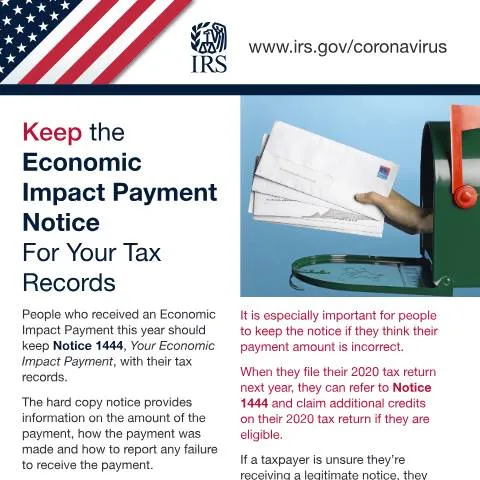
The process starts when the IRS issues Economic Impact Payments to eligible citizens. These payments are typically distributed automatically, meaning that many taxpayers may not realize they need to take action afterward. Upon receipt of the payment, the IRS sends out Notice 1444, confirming the payment details. This is where IRS Publication 5412S becomes relevant.
What to Expect After Receiving Your Economic Impact Payment
- Receive Notice 1444: This document is mailed to your last known address and contains vital information regarding your Economic Impact Payment.
- Review the Notice: Make sure the payment amount aligns with what you expected.
- Retain the Notice: It's crucial to keep this document along with your tax records for accurate filing.
Decoding Publication 5412S: Key Components
Publication 5412S is constructed to provide taxpayers with a comprehensive understanding of their Economic Impact Payments. The document addresses various aspects, such as the eligibility criteria, how to report the received payment on tax returns, and the importance of Notice 1444.
Eligibility and Payment Calculation
- Income Thresholds: Depending on your adjusted gross income (AGI), the amount of your payment may vary. Understanding these thresholds is key to determining your expected payment.
- Dependents: Families with dependents are entitled to receive additional payments. Publication 5412S clarifies how these are calculated.
Chronology of Actions: From Receipt to Tax Declaration
The timeline surrounding Economic Impact Payments and their implications for tax returns is critical. Understanding this chronology helps taxpayers ensure they are compliant and maximizing their benefits.
A Step-by-Step Timeline
| Step | Action | Timeframe |
|---|---|---|
| 1 | Economic Impact Payment Issuance | Automatically in 2020 |
| 2 | Receive Notice 1444 | Within a few weeks of payment |
| 3 | Review Notice for Accuracy | Immediately upon receipt |
| 4 | File 2020 Tax Return | By April 15, 2021 |
The Administrative Process: Navigating IRS Communication
After submitting relevant forms and declarations, taxpayers may find themselves waiting for responses from the IRS. Understanding how to communicate effectively with the IRS regarding Economic Impact Payments is invaluable.
How to Follow Up on Your Payment
- Check IRS Online Tools: The IRS provides online options for checking the status of your payment.
- Reach Out Directly: If there are discrepancies or you haven't received your payment, contacting the IRS directly can provide clarity.
What to Do in Case of Errors or Discrepancies
Miscommunication or errors can occur. IRS Publication 5412S addresses potential issues and outlines steps to rectify them.
Assistance for Incorrect Payments
- Verify Payment Amount: Compare the amount stated in Notice 1444 with what you received.
- Claim Additional Credits: If you believe the amount is incorrect, you may be eligible to claim additional credits on your 2020 tax return.
- File an Amended Return: In cases of discrepancies, consider filing Form 1040-X to amend your tax return.
Historic Context and Regulatory Framework
Understanding the historical backdrop that led to the introduction of Economic Impact Payments can shed light on the significance of IRS Publication 5412S. This publication was crafted not only to disseminate information but also to guide citizens through unprecedented economic challenges.
Legislative Foundations
The Economic Impact Payments were introduced as part of the COVID-19 relief measures. The CARES Act laid the groundwork for these payments, aiming to provide immediate financial assistance to individuals and families affected by the pandemic. IRS Publication 5412S was subsequently developed to clarify the details surrounding these payments.
Calendar of Important Dates and Deadlines
Keeping track of significant dates relating to Economic Impact Payments is essential for tax compliance. Understanding these deadlines can prevent potential issues and ensure timely reporting.
Key Deadlines
| Event | Date |
|---|---|
| Economic Impact Payment Issued | 2020 (specific dates vary) |
| Notice 1444 Mailed | Within weeks after payment |
| 2020 Tax Return Filing Deadline | April 15, 2021 |
Distinguishing Publication 5412S from Similar Documents
There are various IRS publications and forms that might confuse taxpayers regarding Economic Impact Payments. Recognizing how IRS Publication 5412S fits into this landscape is vital.
Publications and Forms to Note
- Publication 5412S vs. Publication 5412: While both relate to Economic Impact Payments, the former is focused specifically on the notice aspects and appeals for accuracy.
- Notice 1444: A separate document sent to recipients, containing specific payment details, which should be retained for tax filings.
Final Thoughts on Handling Your Economic Impact Payment
For taxpayers navigating the complexities of Economic Impact Payments, IRS Publication 5412S serves as an essential guide. It provides clarity and direction on how to manage these payments effectively. By maintaining organized records, understanding the content of Notice 1444, and adhering to IRS guidelines, citizens can ensure a smoother tax filing experience. As always, staying informed and proactive is key in managing financial obligations and benefits.
Understanding IRS Publication 5412S: Key Insights for Tax Professionals
IRS Publication 5412S, while not the most commonly referenced document, holds significant value for tax professionals navigating the complex landscape of U.S. taxation. This publication offers guidelines specifically tailored for the administration of certain federal tax provisions and assists in understanding intricacies surrounding tax credits, deductions, and other valuable tax strategies. It is crucial for tax preparers to familiarize themselves with the content of this publication to provide the optimal level of service to clients opting for specific tax treatments.
Within Publication 5412S, tax professionals will find invaluable insights into the administrative processes required to ensure compliance with federal guidelines. The publication provides necessary clarifications on how to efficiently utilize tax credits that are often misinterpreted or improperly applied. Tax professionals should pay attention to the eligibility requirements for these credits, as well as the correct documentation needed to substantiate claims made on tax returns.
Furthermore, IRS Publication 5412S serves as a vital resource during audits or examinations by detailing responsibilities and potential liabilities that tax professionals must uphold. Being well-versed in the content of this publication can mitigate risks associated with non-compliance, ultimately safeguarding both the preparer and their clientele.
Common Misconceptions About IRS Publication 5412S
Despite its importance, several misconceptions persist around IRS Publication 5412S. One prevalent misunderstanding is that the publication applies exclusively to specific taxpayer demographics or scenarios. In reality, while certain sections of Publication 5412S may address niche circumstances, the core principles outlined are applicable across a broad spectrum of taxpayers. It is essential to recognize that the publication encompasses various tax scenarios, including those affecting self-employed individuals, corporations, and non-profit organizations.
Another misconception is that IRS Publication 5412S is static or unchanging. Taxation is a dynamic field that evolves with new laws and guidance issued by the IRS. Therefore, tax professionals should routinely review updates to IRS Publication 5412S to remain compliant with the most current regulations. Such diligence helps ensure that they are utilizing effective strategies to maximize deductions and credits for their clients.
Moreover, there can be an over-reliance on the publication as a singular authority for tax-related decisions. Tax laws are complex and multifaceted; thus, it’s critical to consider a range of IRS publications, forms, and resources when advising clients. Publication 5412S should be viewed as one tool in a tax professional’s toolkit, supplemented by ongoing education and consultation with the IRS guidelines.
Practical Steps to Implement the Guidance from IRS Publication 5412S
Implementing the guidance offered in IRS Publication 5412S necessitates a structured approach. Tax professionals should establish a systematic method for reviewing their clients' financial information against the standards outlined in the publication. This process begins with identifying eligible tax credits and deductions based on the specific circumstances of each client. To facilitate this, professionals may consider creating a checklist that encapsulates the key eligibility criteria found within Publication 5412S.
Additionally, staying organized is vital. Tax preparers should maintain clear documentation that aligns with the requirements detailed in the publication. This may include forms, supporting documents, and client correspondence that substantiate claims made on tax returns. Such meticulous record-keeping can prove invaluable not only in preparing tax returns but also in defending against potential audits.
Further, tax professionals should engage in continuous learning opportunities related to IRS Publication 5412S. This can include attending IRS-sponsored seminars, participating in webinars, or collaborating with fellow professionals to discuss best practices and recent changes. By fostering an environment of learning and adaptation, tax professionals can enhance their proficiency and service delivery effectively.
Finally, leveraging technology can streamline the application of guidance from IRS Publication 5412S. Tax software often incorporates compliance measures and updates found in IRS publications, allowing preparers to generate accurate returns compliant with current regulations efficiently. Integrating these technological solutions can significantly reduce the chances of error and enhance client satisfaction through timely and accurate filings.