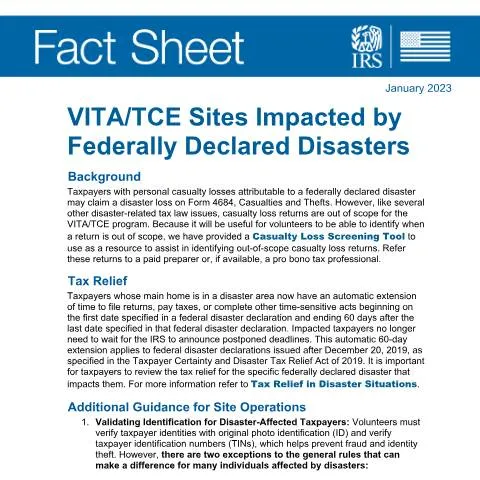
Understanding IRS Publication 5396: A Critical Resource Amidst Disasters
When disaster strikes, the consequences can be devastating, extending beyond the immediate destruction to affect the financial stability of countless individuals. IRS Publication 5396 serves as a beacon of guidance for taxpayers who find themselves in this challenging situation, particularly those affected by federally declared disasters. This document outlines how taxpayers can navigate the complexities of disaster loss, ensuring they can adequately report their losses and access available tax relief.
The Historical Context: Why IRS Publication 5396 Exists
The inception of IRS Publication 5396 is rooted in the ever-growing need for clarity and support for taxpayers coping with disasters. Following events such as hurricanes, wildfires, and floods, the federal government recognizes the necessity for timely tax relief measures. The Taxpayer Certainty and Disaster Tax Relief Act of 2019 marked a pivotal turn, allowing automatic extensions for affected taxpayers without waiting for the IRS to announce specific postponed deadlines. Publication 5396 was developed to provide essential tools and information for taxpayers and volunteers working in tax assistance programs, particularly VITA (Volunteer Income Tax Assistance) and TCE (Tax Counseling for the Elderly).
Decoding the Purpose of IRS Publication 5396: Keys to Accessing Disaster Relief
IRS Publication 5396 is not just a document; it is a lifeline for individuals whose lives have been significantly disrupted by disasters. The publication focuses on how to report casualty losses that arise from federally declared disasters, helping taxpayers understand their rights and obligations. By following the guidelines within this publication, individuals can claim disaster losses on Form 4684, which provides a systematic approach to detailing the financial impact of the disaster.
What Does Filing for Disaster Loss Mean for Taxpayers?
- Rights Granted: Taxpayers affected by disasters are entitled to claim casualty losses that can help mitigate their financial burdens. This right is pivotal for individuals struggling to recover from unexpected damages.
- Obligations to Consider: Filing a claim requires accurate reporting of losses. Taxpayers must collect relevant documentation, including receipts, photographs, and written assessments, to substantiate their claims.
- Consequences of Non-filing: Failing to file a claim can result in lost opportunities for tax relief. Inadequate documentation or missed deadlines can hinder recovery efforts significantly.
Step-by-Step: Filing for Disaster Relief Using IRS Publication 5396
The journey toward filing for disaster relief can be daunting. However, IRS Publication 5396 lays out a clear process that taxpayers can follow. Let’s break it down into actionable steps:
- Identify Your Disaster: Confirm that your situation falls under the scope of a federally declared disaster. You can check the IRS website for a list of qualifying events.
- Gather Documentation: Collect evidence of your losses, including photographs, repair estimates, and any correspondence with your insurance provider.
- Complete Form 4684: Use the information from your documentation to accurately complete Form 4684. This form is specifically designed for reporting casualties and thefts.
- File Your Tax Return: Submit your tax return with Form 4684 attached. Ensure that you meet all deadlines, taking advantage of any extensions provided under disaster relief protocols.
These steps not only simplify the process but also empower taxpayers with the knowledge needed to effectively claim their losses.
Addressing Potential Pitfalls: What If Things Go Wrong?
Even with the best preparation, individuals may encounter obstacles when filing for disaster relief. IRS Publication 5396 anticipates these issues, providing guidance on how to navigate them effectively.
Common Issues and How to Address Them
- Missing Documentation: If documentation is lost or unavailable due to the disaster, taxpayers can file a substitute Form W-2 or 1099. Be sure to include a detailed explanation of the circumstances surrounding the missing documents.
- Errors on Forms: If an error is discovered after submission, taxpayers should file an amended return using Form 1040-X. This form allows you to correct errors and include any additional information required for your disaster claim.
- Rejections or Denials: In cases where a claim is rejected, it is crucial to understand the reasons provided by the IRS. Taxpayers have the right to appeal decisions, and IRS Publication 5396 provides links to resources that can assist in the appeal process.
The Timeline of Federal Relief: Key Dates to Remember
Understanding the timeline associated with claiming disaster losses is essential for taxpayers. IRS Publication 5396 includes important dates within the context of federal disaster declarations.
Key Dates and Their Implications
| Date | Event | Implications |
|---|---|---|
| Declaration Date | Federal disaster declaration issued | Triggers eligibility for tax relief measures |
| 60 Days Post-Declaration | Automatic extension of filing deadlines begins | Taxpayers may file returns and pay taxes without penalties |
| Return Due Date | Standard tax filing deadline (April 15) | Final date for submitting claims unless extended due to disaster |
Being aware of these critical dates allows taxpayers to take timely action and avoid potential penalties associated with late submissions.
The Role of IRS Publication 5396 in the Larger Picture
IRS Publication 5396 is integral not only for individual taxpayers but also for the volunteers and professionals assisting them through the VITA and TCE programs. The publication provides a comprehensive framework that equips volunteers with the knowledge necessary to guide taxpayers through the complexities of disaster-related claims.
Empowering Volunteers
Volunteers play a vital role in ensuring that individuals affected by disasters receive proper assistance. IRS Publication 5396 provides necessary training materials and guidelines to help volunteers:
- Screen for Eligibility: Volunteers can use the Casualty Loss Screening Tool provided within the publication to determine whether a taxpayer’s situation qualifies for disaster relief.
- Educate Taxpayers: By understanding the guidelines outlined in the publication, volunteers can effectively communicate the rights and obligations of taxpayers facing disaster-related challenges.
- Facilitate Accurate Claims: Equipped with knowledge, volunteers can ensure that taxpayers are correctly completing required forms and attaching necessary documentation, minimizing errors that could lead to claim denials.
Final Thoughts: Navigating Recovery with Confidence
IRS Publication 5396 serves as an essential guide for those navigating the tumultuous aftermath of federally declared disasters. By providing clear instructions on reporting casualty losses and claiming tax relief, it empowers taxpayers to take control of their financial recovery. The knowledge contained within this publication not only helps individuals reclaim their losses but also fosters a community of support through dedicated volunteers committed to assisting those in need.
In times of hardship, leveraging resources like IRS Publication 5396 can make a significant difference. By understanding its provisions and following the outlined steps, taxpayers can emerge from the shadows of disaster with renewed hope and the means to rebuild their lives.
Understanding IRS Publication 5396: Key Insights and Updates
IRS Publication 5396 provides essential guidance for taxpayers navigating the complex landscape of tax-related issues, particularly focusing on the nuances of certain credits, deductions, and the overall filing process. This publication is vital for taxpayers who wish to gain a comprehensive understanding of their obligations and rights under the current tax code. It's essential to stay updated with the latest revisions, as IRS publications are regularly revised to reflect changes in tax laws, regulations, and procedures.
One of the primary focuses of Publication 5396 is to clarify eligibility requirements for various tax credits and deductions, which can be particularly beneficial for individuals, families, and small business owners. Taxpayers are encouraged to review this publication in tandem with their individual circumstances to ensure they maximize their potential tax benefits. Moreover, it highlights the importance of record-keeping and documentation, which are critical elements in substantiating claims made on tax returns.
Impact of Tax Code Changes on IRS Publication 5396
The ongoing evolution of tax law can significantly impact the content and implications of IRS Publication 5396. For instance, amendments introduced in recent fiscal years may create new opportunities for deductions or alter eligibility criteria for existing tax credits. Taxpayers should remain vigilant in understanding these changes, as they can substantially affect their tax liability and potential refunds.
For example, recent adjustments have often focused on credits related to education expenses, home office deductions, and healthcare-related tax issues. Publication 5396 serves as a critical resource for taxpayers to review these changes and understand how they might apply to their financial situations. It’s advisable to refer to the most current version of the publication, which can be found on the official IRS website, to ensure that you are acting on the most accurate information.
Additionally, as tax laws can differ based on state regulations, taxpayers may also need to consider how these federal guidelines intersect with state-specific requirements. Therefore, consulting with a tax professional or certified public accountant (CPA) who is familiar with both federal and state tax obligations is often recommended.
Practical Steps for Using IRS Publication 5396 Effectively
To maximize the benefits of IRS Publication 5396, taxpayers should take a strategic approach to its usage. Here are some practical steps:
- Review Your Tax Situation: Begin by analyzing your previous tax returns and current financial situation. Identify any changes in income, family dynamics, or business status since your last filing, as these factors may influence your eligibility for various credits and deductions outlined in Publication 5396.
- Gather Documentation: Before filling out any tax forms, ensure that you have all necessary documentation at hand. This may include W-2 forms, 1099s, receipts for deductible expenses, and records of any credits or deductions you plan to claim. Good documentation is vital for substantiating your claims in case of an audit.
- Consult the Publication Thoroughly: Read through IRS Publication 5396 carefully. Pay particular attention to sections that pertain directly to your unique tax situation. Highlight key areas that require further exploration or clarification.
- Utilize IRS Resources: The IRS offers various resources beyond Publication 5396, such as FAQs, tax workshops, and webinars. Leveraging these resources can provide additional insights and help you navigate any uncertainties you may have.
- Consider Professional Advice: If your tax situation is complicated or if the publication leaves you with more questions than answers, seeking the assistance of a tax professional may be prudent. They can provide tailored advice, ensure compliance with all tax laws, and help optimize your tax strategy.
By taking these steps, taxpayers can make informed decisions based on the guidance found within IRS Publication 5396, enhancing their overall tax compliance and financial well-being.