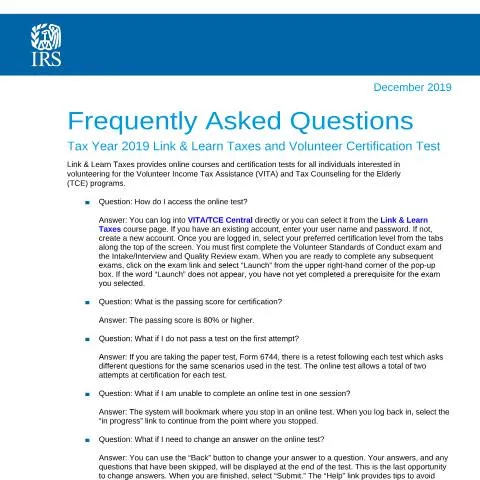
Understanding IRS Publication 5386: A Crucial Document for Tax Assistance Volunteers
Throughout the United States, the Volunteer Income Tax Assistance (VITA) and Tax Counseling for the Elderly (TCE) programs play vital roles in helping taxpayers with limited resources. These programs rely heavily on IRS Publication 5386, which serves as a comprehensive guide for those interested in volunteering their time to assist in tax preparation. This document is essential not only for understanding the benefits of participation but also for navigating the certification process that volunteers must complete. In this article, we will explore the various dimensions of IRS Publication 5386, including its significance, the steps involved in becoming a certified volunteer, and what one can expect after the certification process.
The Role of Publication 5386 in Volunteer Tax Assistance
IRS Publication 5386 is designed to provide a detailed overview of the requirements and procedures related to the VITA and TCE programs. This publication serves as the foundational resource for volunteers, outlining the necessary steps they must take to effectively assist taxpayers. Whether you are an aspiring volunteer or a seasoned professional looking to refresh your knowledge, this document is indispensable.
Key Components of Publication 5386
- Overview of VITA and TCE: The publication begins by describing the objectives and target audiences of the VITA and TCE programs, emphasizing the importance of accessibility for low-income taxpayers and seniors.
- Certification Process: Detailed information regarding the required certification tests, including the structure, content, and passing criteria, is provided to ensure that volunteers are adequately prepared for their roles.
- Volunteer Standards of Conduct: The publication emphasizes the significance of ethical conduct and professionalism, setting the tone for how volunteers should engage with taxpayers.
- Resources for Volunteers: Additional resources, including links to online training modules and supporting materials, are included to enhance the learning experience.
Who Should Consider Volunteering?
Volunteering for VITA and TCE is not limited to tax professionals; anyone with a willingness to learn and help can participate. However, certain characteristics may make some individuals more suitable for this role. Understanding the demographic of potential volunteers can shed light on the varying needs within the program.
Profiling Potential Volunteers
- Students: Many college students, particularly those studying accounting or finance, may find VITA and TCE volunteering an excellent way to gain practical experience while giving back to the community.
- Retirees: Retired professionals, especially those with a background in accounting or tax law, are often encouraged to share their expertise and provide guidance to taxpayers.
- Community Members: Local residents who wish to support their neighbors can also become volunteers, particularly if they have an understanding of tax responsibilities and local tax codes.
Steps to Certification: A Detailed Pathway
Certification as a VITA or TCE volunteer involves a structured process that ensures volunteers have the knowledge and skills necessary to provide accurate tax assistance. This process is crucial for maintaining the integrity of the programs.
Pre-Certification Requirements
Before diving into the certification tests, volunteers must first familiarize themselves with the foundational materials provided through IRS Publication 5386. This includes understanding:
- The scope of services provided by VITA and TCE programs
- The types of tax forms typically encountered, including Form 1040, and the specific credits and deductions relevant to low-income tax filers.
- The ethical standards expected of volunteers, which reinforce the necessity of confidentiality and professionalism.
Taking the Certification Test
The certification test for VITA and TCE volunteers evaluates knowledge in various areas, including tax law updates, preparation techniques, and the specific needs of the demographic being served. The test is conducted in two key formats:
- Paper-Based Test: Form 6744 is used for those who prefer a tangible testing format. Volunteers can retake the test if they do not pass on the first attempt.
- Online Test: As an alternative, the online platform allows for a more flexible approach. Volunteers can pause and resume their tests, which is especially convenient for those with busy schedules.
Regardless of the method chosen, a passing score of 80% or higher is required to become certified. This threshold ensures that volunteers possess a thorough understanding of the material.
What to Expect After Certification
Once certified, volunteers are empowered to assist taxpayers with their tax returns. This involves more than just filling out forms; it requires a commitment to ongoing learning and adaptation to the ever-changing landscape of tax law.
Volunteer Responsibilities
- Client Interactions: Volunteers must engage with clients effectively, ensuring they understand the tax process and what documentation is required.
- Continued Education: The IRS encourages volunteers to keep up with tax law changes through annual training sessions and refresher courses.
- Reporting and Feedback: Volunteers are expected to provide feedback on their experiences and report any issues or challenges faced during the assistance process.
Potential Challenges and How to Overcome Them
While volunteering can be incredibly rewarding, it comes with its own set of challenges. Understanding these challenges and preparing for them can significantly enhance the volunteer experience.
Common Challenges Faced by Volunteers
- Complex Tax Situations: Some clients may have intricate financial situations that require a deeper understanding of tax law. Volunteers should not hesitate to seek support from more experienced colleagues or supervisors.
- Client Communication Barriers: Language differences or varying levels of financial literacy can hinder effective communication. Volunteers may need to adapt their approaches to meet clients' needs.
- Time Constraints: Volunteers often work within tight schedules, especially during tax season. It’s important to manage time effectively to provide quality assistance.
Timing and Deadlines in the VITA and TCE Programs
Timing is crucial when it comes to tax assistance. Understanding the calendar associated with the VITA and TCE programs can help volunteers plan their efforts effectively.
Key Dates to Remember
| Event | Date |
|---|---|
| Certification Tests Available | January - April |
| Start of Tax Filing Season | Typically the end of January |
| Tax Filing Deadline | April 15 |
| End of VITA/TCE Services | April 15 |
Volunteers should be proactive in preparing for these dates to maximize their effectiveness and ensure they are available for clients when they need assistance the most.
Continuing Support and Resources for Volunteers
Volunteering for the VITA and TCE programs does not end with certification. Ongoing support and resources play a crucial role in ensuring that volunteers remain effective and knowledgeable.
Utilizing IRS Resources
The IRS provides a variety of resources to support volunteers, including:
- Online Training: Volunteers can access online training modules that cover various aspects of tax preparation, laws, and ethical conduct.
- Community Support: Networking opportunities with other volunteers can be beneficial for sharing experiences and tips.
- Annual Refreshers: The IRS encourages volunteers to participate in annual training sessions to stay updated on the latest tax law changes and practices.
Conclusion: The Impact of Volunteerism in Tax Assistance
Volunteering for the VITA and TCE programs serves as a fundamental contribution to community welfare, ensuring that those in need receive the assistance they require during tax season. IRS Publication 5386 stands as a vital tool for preparing volunteers for this important role. By understanding the certification process, recognizing challenges, and utilizing available resources, volunteers can make a meaningful impact on the lives of countless individuals.
Understanding IRS Publication 5386: Key Tax Implications for Taxpayers
IRS Publication 5386 is an essential document that provides valuable information regarding the tax implications for individuals and businesses, especially concerning transactions made with foreign entities. This publication outlines the rules and requirements that taxpayers must adhere to when engaging in activities that may affect their tax obligations. It emphasizes the importance of accurate reporting and compliance to avoid potential penalties.
One of the key sections of this publication is dedicated to defining what constitutes a "foreign entity". This includes not just corporations, but partnerships, trusts, and other types of organizations formed under the laws of foreign countries. Understanding these definitions is crucial for U.S. taxpayers who have business interests or investments overseas.
Another significant focus of IRS Publication 5386 is on the tax treaties between the United States and various countries. Tax treaties can significantly impact how income is taxed, potentially providing exemptions or reduced rates for certain types of income. Taxpayers must consult these treaties to determine their applicability and to ensure compliance with both U.S. tax laws and the laws of the foreign jurisdiction.
In addition, Publication 5386 discusses the need for Form 8832, Entity Classification Election, which is necessary for taxpayers looking to classify their foreign entity in a specific manner for tax purposes. This form allows for flexibility in how entities are treated for U.S. tax purposes and can significantly alter the tax landscape for a taxpayer. Failure to file this form correctly can result in serious tax implications.
Navigating Reporting Requirements: Forms and Deadlines Associated with Publication 5386
Filing requirements for U.S. taxpayers engaging with foreign entities are outlined in detail in IRS Publication 5386. Understanding these requirements is critical to ensuring compliance and avoiding penalties. The publication specifies various forms that may be required, depending on the nature of the taxpayer's transactions and the type of foreign entity involved.
For instance, taxpayers who own interests in foreign corporations may need to file Form 5471, Information Return of U.S. Persons With Respect to Certain Foreign Corporations. This form is essential for reporting information about the foreign corporation, including its income, deductions, and other relevant financial data, ensuring transparency in cross-border transactions.
Similarly, if a taxpayer has foreign bank accounts that exceed certain thresholds, they must also report this information using the FinCEN Form 114, Report of Foreign Bank and Financial Accounts (FBAR). The deadline for filing FBAR is typically April 15, with an automatic extension available until October 15, which aligns with the federal tax filing deadline.
Moreover, Publication 5386 emphasizes the importance of timely filing. Missing the filing deadlines for the required forms can lead to substantial penalties, including hefty fines and interest on unpaid taxes. For instance, failure to file Form 5471 can result in penalties up to $10,000 per form for each year it is not filed.
Exceptions and Special Circumstances in IRS Publication 5386
IRS Publication 5386 also addresses several exceptions and special circumstances that may apply to taxpayers engaging with foreign entities. Understanding these exceptions is crucial for determining whether specific tax rules or reporting requirements can be bypassed or modified based on individual situations.
For example, certain small businesses that qualify as “micro-entities” may enjoy simplified reporting requirements when dealing with foreign transactions. These businesses, typically characterized by their limited revenue and employee count, may not be required to file some of the forms that larger entities must submit. This exemption can significantly ease the administrative burden on small business owners who are just starting to expand their operations overseas.
Another notable exception highlighted in Publication 5386 pertains to foreign entities that are treated as disregarded entities for U.S. tax purposes. In such cases, the foreign entity’s income is reported directly on the U.S. owner’s tax return, avoiding the complexities of separate reporting for the foreign entity itself. This streamlining can help reduce tax compliance costs for U.S. residents with small foreign operations.
Lastly, the publication discusses the implications of certain changes in tax law or IRS regulations that might affect how foreign entities are treated. Taxpayers are encouraged to stay updated on any changes that could impact their reporting requirements or tax liabilities. This is particularly relevant in the context of international tax reforms, which could alter the landscape of how foreign income is taxed in the U.S.