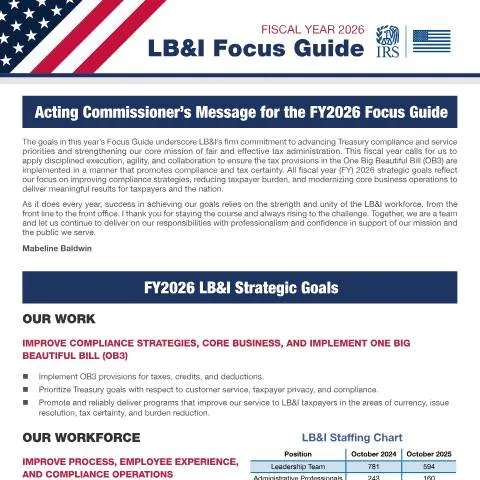
Understanding IRS Publication 5319: A Crucial Resource for Tax Compliance
The world of tax compliance can often feel overwhelming, but understanding the documents involved is the first step toward navigating this complex landscape. One such important document is IRS Publication 5319. For individuals and businesses alike, this publication serves as a guide to understanding specific regulations and requirements set forth by the IRS. Whether you're a small business owner, a taxpayer, or a tax professional, grasping the nuances of this publication can significantly influence your compliance strategy.
Who Should Be Engaged with Publication 5319?
Publication 5319 is tailored for a diverse audience, ranging from individual taxpayers to corporate entities. Here’s a closer look at who benefits from this publication:
Small Business Owners
- Tax Compliance: Small business owners can utilize Publication 5319 to better understand their tax obligations and the strategic implementation of tax codes relevant to their operations.
- Credits and Deductions: The publication details the various credits and deductions available, which can help reduce tax liability.
Tax Professionals
- Advisory Role: Tax consultants and CPAs can rely on Publication 5319 to offer informed advice to their clients regarding current tax laws and compliance requirements.
- Updates and Changes: Keeping abreast of ongoing updates within the IRS framework is critical for these professionals, making this publication invaluable.
Corporations and Large Entities
- Compliance Strategies: Larger enterprises will find useful strategies within Publication 5319 to navigate complex tax scenarios and ensure adherence to federal laws.
- Risk Management: By understanding their obligations as outlined in the publication, corporations can better manage potential risks associated with tax non-compliance.
The Role of Publication 5319 in Tax Administration
Publication 5319 is not merely a collection of rules; it plays a vital role in the larger framework of tax administration. The document is part of the IRS's commitment to enhancing compliance and providing clear guidance to taxpayers. Here are some specific aspects of its role:
Guidance on Recent Legislation
One of the key functions of Publication 5319 is to provide insight into new laws and amendments that affect tax obligations. This is especially relevant for the fiscal year 2026, as it aligns with the implementation of provisions from the recently introduced One Big Beautiful Bill (OB3). This legislation aims to simplify tax compliance and offer clarity on deductions, credits, and various tax strategies.
Enhancing Taxpayer Service and Privacy
This publication reinforces the IRS's dedication to improving taxpayer services, as highlighted in the FY 2026 Focus Guide. It emphasizes the importance of taxpayer privacy and aims to provide a transparent overview of compliance requirements, thereby fostering trust between the IRS and the public.
Navigating the Filling Process: Key Steps
Completing forms related to IRS Publication 5319 may seem daunting at first. However, understanding the procedural steps can simplify the process:
Step 1: Gather Necessary Documentation
Before diving into the publication, ensure all relevant documentation is at hand. This may include:
- Previous tax returns
- W-2 forms and 1099s
- Any correspondence from the IRS
Step 2: Review the Publication Thoroughly
Read through the publication carefully, making note of sections that are particularly pertinent to your situation. Pay attention to specific regulations or conditions that may apply to you.
Step 3: Complete Any Required Forms
Based on the guidance in Publication 5319, fill out any necessary forms. Be diligent in providing accurate information to avoid complications down the line.
Step 4: Submit Your Forms Timely
Timeliness is critical in tax-related matters. Ensure that all forms and documents are submitted before the IRS deadlines to avoid penalties. The primary tax filing deadline typically falls on April 15 of the tax year.
Step 5: Await Confirmation
After submission, keep an eye out for confirmation from the IRS. This can take the form of an acknowledgment, which serves as proof of compliance.
Understanding the Consequences of Non-Compliance
Failing to adhere to the guidelines set within Publication 5319 can lead to significant repercussions. It’s crucial to understand the potential outcomes:
Financial Penalties
Non-compliance may result in hefty fines and interest charges. The IRS has strict guidelines regarding late filings and payments, which can compound quickly.
Legal Ramifications
In extreme cases, failure to comply with IRS regulations can lead to legal action, including audits and disputes. Understanding how effectively you can navigate the guidelines in Publication 5319 is therefore essential to avoiding such complications.
Impact on Future Filings
Non-compliance issues can also affect future filings. A poor record with the IRS can lead to increased scrutiny in subsequent tax years.
Strategies for Overcoming Common Obstacles
Even with the best intentions, taxpayers and businesses may face challenges when engaging with the requirements of Publication 5319. Here are strategies to address these obstacles:
Engage Professional Help
In cases of complexity, it’s advisable to consult with tax professionals who can guide you through the intricacies of the publication. They can provide tailored advice that fits your specific needs.
Stay Informed on Updates
The IRS frequently updates its guidelines and regulations. Keeping an eye on changes to Publication 5319 can be beneficial in ensuring ongoing compliance.
Participate in IRS Workshops or Seminars
Many local IRS offices offer workshops or seminars on compliance and tax responsibilities. These resources can provide valuable insights and clarify uncertainties surrounding Publication 5319.
Exploring Special Situations: Foreign Taxpayers and Minors
Tax situations can vary significantly among different individuals. Two notable examples include foreign taxpayers and minors. Understanding the implications for these groups in regard to Publication 5319 is essential for proper compliance.
Foreign Taxpayers
- Eligibility for Credits: Foreign individuals may qualify for specific tax credits outlined in Publication 5319, especially if they are U.S. citizens or residents.
- Filing Requirements: It’s imperative for foreign taxpayers to familiarize themselves with their filing obligations, which may differ from domestic taxpayers.
Minors and Tax Obligations
- Filing on Behalf: In cases where minors earn income, guardians or parents must ensure that they comply fully with the regulations set forth in Publication 5319.
- Education and Awareness: Teaching minors about their tax responsibilities can promote financial literacy and pave the way for responsible future financial behavior.
Handling Errors and Requests for Additional Information
Errors can happen, and knowing how to rectify them is crucial. If you encounter issues relating to Publication 5319, here are the steps to take:
Addressing Mistakes Immediately
If you realize that you have made an error on a submission related to Publication 5319, it is essential to address it as soon as possible. The IRS allows for amendments through Form 1040-X, which must be filed separately from standard returns.
Responding to IRS Requests for Information
In cases where the IRS requires additional information regarding your submission, respond promptly. Ignoring such requests can lead to further complications, including audits or penalties.
Utilizing the Taxpayer Advocate Service
If issues persist, considering reaching out to the Taxpayer Advocate Service can be beneficial. This organization provides assistance for navigational challenges within the IRS framework and can help clarify misunderstandings.
Additional Resources for Maximizing Compliance
In addition to IRS Publication 5319, several resources can support you in achieving tax compliance:
IRS Online Tools
The IRS website hosts a variety of online tools and resources designed to assist taxpayers in managing their obligations effectively. These can be particularly helpful when looking for specific information related to Publication 5319.
Local IRS Offices
Visiting a local IRS office can provide face-to-face assistance. Staff members can help clarify questions about Publication 5319 and other related forms.
Community Resources
Various non-profit organizations offer assistance with tax filing and compliance, often focusing on underrepresented communities. They can provide insights into managing obligations outlined in Publication 5319.