Navigating the Complexities of IRS Publication 5081: A Comprehensive Guide
Understanding IRS Publication 5081 is essential for taxpayers looking to maximize their educational tax credits. This publication outlines the procedures and criteria for claiming credits on qualifying educational expenses, which could significantly alleviate the financial burden of higher education. For students, parents, and guardians alike, the knowledge contained within this document can lead to substantial savings, making it a critical resource in the realm of tax preparation.
The Historical Context of IRS Publication 5081
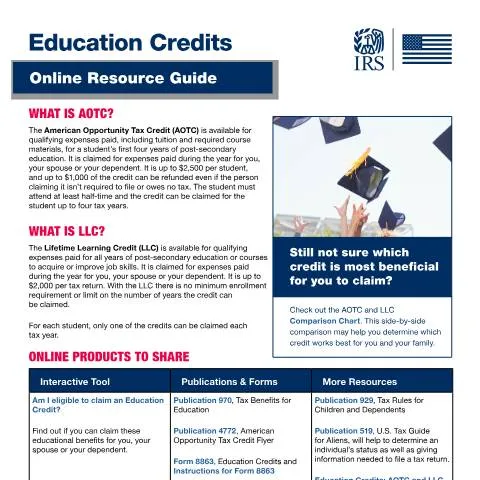
IRS Publication 5081, established as part of the IRS's effort to streamline tax benefits associated with education, is rooted in the broader legislative framework aimed at promoting accessibility to education. With the growing cost of higher education in the United States, the federal government recognized the necessity of providing financial relief through tax credits. This publication specifically addresses the American Opportunity Tax Credit (AOTC) and the Lifetime Learning Credit (LLC), both of which were designed to lessen the financial burden for students enrolled in post-secondary education.
The evolution of education tax credits began in the late 1990s, with the introduction of the Hope Credit. Over the years, this credit underwent various modifications, culminating in the creation of the AOTC in 2009. The IRS continuously updates Publication 5081 to reflect legislative changes and enhancements in tax benefits, ensuring taxpayers have current and accurate information at their disposal.
Unpacking the Roles and Responsibilities Associated with Publication 5081
IRS Publication 5081 serves a vital role in the education tax benefit landscape. It delineates who can claim these credits, the qualifying expenses, and the necessary documentation required. Taxpayers must understand that claiming education tax credits is not a mere formality; it involves a systematic approach that requires attention to detail and adherence to IRS guidelines.
Who Should Engage with Publication 5081?
- Students: Individuals enrolled in their first four years of post-secondary education who incur qualifying expenses.
- Parents or Guardians: Those supporting students financially can claim education credits on their tax returns.
- Tax Preparers: Professionals assisting clients in navigating the complexities of educational tax benefits.
Qualifying Expenses Outlined in Publication 5081
Publication 5081 identifies a range of qualifying expenses that taxpayers can claim, including:
- Tuition and Fees: The primary costs associated with enrollment.
- Course Materials: Required materials such as textbooks, supplies, and equipment needed for courses.
- Occupational Licenses: Fees for licenses necessary to pursue certain career paths.
It's important to note that expenses must be paid in the tax year being claimed, and only those expenses directly related to the education of the student are eligible.
The Process of Documenting and Claiming Educational Tax Benefits
Claiming education tax credits requires a well-structured approach, starting from identifying qualifying expenses to completing the necessary forms. Taxpayers must gather all relevant documentation and systematically follow the steps outlined by the IRS.
The Timeline: From Expenses Incurred to Tax Filing
The process unfolds through several stages:
- Gather Documentation: Compile records of tuition payments, course materials, and any other related expenses. Ensure that all receipts are organized and accessible.
- Complete Form 8863: This form is essential for claiming education credits. Complete the form with accurate information reflecting the expenses incurred.
- File Your Tax Return: Submit Form 8863 along with your Form 1040 by the tax deadline, typically April 15. Ensure all information matches your supporting documents.
Post-Filing: Understanding Your Claim's Status
After filing, taxpayers can track the status of their tax return and any credits claimed through the IRS's online platforms. Monitoring your claim provides peace of mind, ensuring that if any additional information is needed, it can be provided promptly.
Distinguishing Publication 5081 From Related IRS Forms
Taxpayers often confuse various IRS forms related to education credits. Understanding how Publication 5081 and its associated forms differ is crucial in ensuring accurate submissions. Key forms include:
| Form Name | Description | Used For |
|---|---|---|
| Form 8863 | Education Credits | Claiming AOTC and LLC |
| Form 1098-T | Tuition Statement | Reporting qualified tuition and related expenses |
| Form 1098-E | Student Loan Interest Statement | Claiming deductions for interest paid on student loans |
This distinction is vital because each form serves a specific purpose and has unique eligibility criteria. Failing to use the correct form could lead to delays or denials of tax credits.
Unique Scenarios: Tailoring the Application of Publication 5081
Certain situations may affect how taxpayers can utilize Publication 5081, including cases involving international students, minors, or those in non-traditional educational paths. Understanding these unique scenarios can ensure that all eligible individuals receive the credits they deserve.
International Students
International students studying in the U.S. should be aware of particular guidelines when it comes to claiming education credits. Generally, they may not be eligible for these credits unless they meet specific residency or visa requirements. Consulting IRS Publication 519, the U.S. Tax Guide for Aliens, can provide additional clarification regarding eligibility.
Minors and Dependents
When minors are enrolled in educational programs, parents can claim the AOTC or LLC on their behalf. However, it is essential to ensure that the child qualifies as a dependent on the tax return. Publication 5081 details the requirements for claiming dependents, which can significantly affect the tax benefits available.
Complex Situations
Taxpayers facing unique circumstances, such as those with multiple dependents or varying educational institutions, may also have questions regarding eligibility and claim processes. Utilizing IRS resources, alongside guidance from tax professionals, can help navigate these complexities effectively.
The Consequences of Inaction: Understanding Obligations and Rights
Failing to correctly file for educational credits, or neglecting to explore the benefits outlined in Publication 5081, can lead to missed opportunities for financial relief. Taxpayers should understand their rights and obligations to avoid penalties and disallowed claims.
Rights of Taxpayers
Taxpayers have the right to:
- Receive clear and accurate information from the IRS regarding educational benefits.
- Challenge IRS decisions if they believe their claims for tax credits were unjustly denied.
- Seek assistance and clarification from IRS representatives when completing their tax documentation.
Obligations of Taxpayers
Conversely, taxpayers are obliged to:
- Provide accurate information when filing for education credits, ensuring that all expenses claimed are legitimate and documented.
- Respond promptly to any IRS inquiries or requests for additional information during the review of their claim.
- Stay informed about the latest changes and updates related to tax benefits for education to ensure compliance.
Failure to meet these obligations may result in audits, penalties, or even the disqualification of educational credits claimed.
Leveraging Resources for Effective Tax Preparation
In addition to IRS Publication 5081, numerous resources are accessible to assist taxpayers in navigating the complexities of educational tax credits. The IRS website offers comprehensive guides, interactive tools, and publications that further elucidate the claims process.
Moreover, engaging with tax professionals who specialize in educational credits can provide tailored guidance, ensuring that all potential benefits are maximized and compliant with current tax laws.
When properly utilized, the information contained in IRS Publication 5081 not only helps taxpayers reduce their financial obligations but also empowers them to take proactive measures in their educational funding strategies.
Understanding IRS Publication 5081: A Comprehensive Overview
IRS Publication 5081 is a critical resource for taxpayers, particularly those navigating the complexities of claiming tax benefits related to adoption and certain educational tax credits. This publication specifically outlines eligibility criteria, which vary based on factors like income, filing status, and type of credit being claimed. It is essential for taxpayers to familiarize themselves with the guidelines stated in Publication 5081 to ensure they are fully compliant with federal tax regulations.
The publication breaks down several vital areas including the Adoption Tax Credit and the Lifetime Learning Credit, providing detailed information on how to qualify, the maximum allowable credit, and the necessary forms to submit. For instance, understanding the adjusted gross income (AGI) limits is crucial because exceeding these thresholds can reduce or entirely eliminate eligibility for these credits.
Additionally, a key component of Publication 5081 is its emphasis on the documentation required to substantiate claims. Taxpayers must retain specific records, such as the final adoption decree, to validate their eligibility for the Adoption Tax Credit. Failure to provide adequate documentation can lead to delays, audits, or disallowed claims, underscoring the importance of meticulous record-keeping.
Filing Procedures and Deadlines Regarding IRS Publication 5081
When it comes to filing for tax benefits outlined in IRS Publication 5081, timing is everything. The standard tax filing deadline is April 15 for most taxpayers, but it's vital to be aware of specific nuances that can affect the filing timeline. For instance, taxpayers adopting in the previous year must ensure that claims are included in the correct tax year and that all documentation is submitted accordingly. For those who miss the April 15 deadline, extensions can be filed, but these do not extend the time to pay any tax owed.
Moreover, IRS Publication 5081 details procedures for amending tax returns if necessary. If a taxpayer realizes they’ve made an error or missed a benefit they qualify for, they can file Form 1040-X to amend their tax return. However, it’s important to note that the IRS allows a limited window for amendments—generally, three years from the original filing date—making it crucial to act promptly.
If a taxpayer is uncertain about their eligibility or how to proceed, there are resources available through the IRS website, including FAQs, interactive tools, and contact information for local taxpayer advocacy representatives who can provide personalized assistance. The IRS also offers various workshops and webinars throughout the filing season to educate taxpayers about Publication 5081 and related topics.
Common Pitfalls and FAQs Related to IRS Publication 5081
Despite the comprehensive nature of IRS Publication 5081, taxpayers often encounter hurdles when trying to claim the benefits detailed within. One common pitfall is misunderstanding the eligibility criteria for the various tax credits presented. For example, the Adoption Tax Credit can only be claimed by taxpayers who have incurred qualifying expenses related to the adoption of an eligible child. This means that expenses for adopting a spouse's child or for private adoptions that do not meet IRS criteria may not be eligible for the credit.
Another issue is the confusion surrounding the required forms. While Publication 5081 provides guidance, some taxpayers may overlook the necessity of attaching Form 8839 (for the Adoption Tax Credit) or Form 8863 (for education credits) when filing their 1040. Neglecting to include these forms can result in the IRS disallowing the credit, leading to a potential tax bill and interest on unpaid amounts.
As for frequently asked questions, many taxpayers wonder about the impact of state adoption benefits on federal tax credits. Generally, state benefits do not affect federal eligibility; however, taxpayers should verify with their state tax authority to ensure compliance with local regulations. Moreover, inquiries about income limits are common; taxpayers should refer directly to IRS Publication 5081 or the specified tables for accurate AGI limits that apply to their situation.
In conclusion, while IRS Publication 5081 attempts to clarify the avenues available to taxpayers, the complexity of tax law requires diligent review and proactive engagement with the IRS's resources. Being well-informed can significantly enhance the experience of claiming these benefits, ensuring that taxpayers maximize their eligibility and reduce the likelihood of errors or audits.