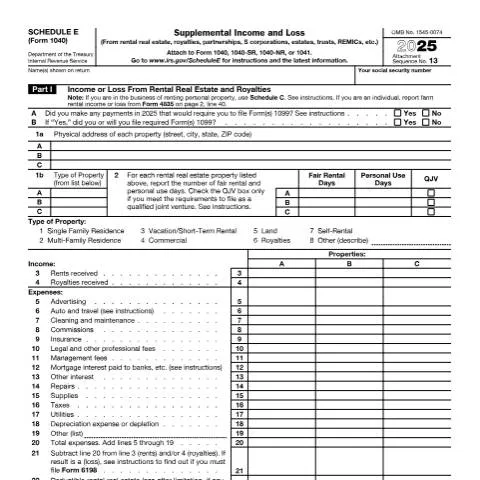
Navigating the Intricacies of IRS Form 1040SE: A Comprehensive Guide
When dealing with the complexities of personal income from self-employment, various tax forms come into play. Among these, IRS Form 1040SE stands out as a critical document for certain taxpayers. Whether you’re a seasoned tax filer or a newcomer to the self-employment landscape, understanding this form is vital for ensuring compliance with IRS regulations and optimizing your tax situation.
The Essential Role of Form 1040SE in Your Tax Filing Journey
IRS Form 1040SE is meticulously designed for individuals who earn income through self-employment and are subject to self-employment tax. This tax applies to individuals who are either sole proprietors or those in partnerships. Filing this form accurately is crucial as it determines the amount owed to the IRS based on your net earnings from self-employment activities.
- Who Should File: Anyone earning income through freelance work, consulting, or as a sole proprietor.
- What It Reports: Income generated from self-employment activities, along with the associated expenses.
- Tax Implications: It affects both your income tax and self-employment tax obligations.
Understanding Self-Employment Tax Calculations
Self-employment tax comprises Social Security and Medicare taxes primarily for individuals who work for themselves. Unlike traditional employees, self-employed individuals must calculate their tax liability using their net earnings reported on Form 1040SE.
Net earnings from self-employment are generally calculated as follows:
- Total income generated from self-employment activities.
- Subtract ordinary and necessary business expenses.
- Apply the self-employment tax rate (15.3% as of the latest guidelines).
Completing Form 1040SE: A Step-by-Step Approach
Filling out Form 1040SE may seem daunting at first, but with a clear understanding of each section, the process can be streamlined. Below are detailed steps to help ensure accurate completion:
Gather Required Information
Before diving into the form, gather all necessary documentation, including:
- Records of income received from self-employment.
- Receipts for any business-related expenses.
- Records from previous tax returns for comparison if necessary.
Filling Out the Form
Each section of Form 1040SE has specific instructions. Here's a breakdown of key parts:
| Section | Description |
|---|---|
| Part I | Reports your net earnings from self-employment activities. |
| Part II | Details on your total self-employment income and the resulting self-employment tax to be paid. |
| Signature Section | Where you confirm the accuracy of the information provided. |
Submission Channels: Where and How to File Your Form 1040SE
Once you have completed your Form 1040SE, the next step is submission. Taxpayers have several options for filing:
Filing Electronically vs. Paper Submission
- Electronic Filing: This method is generally faster and allows for immediate confirmation of receipt. Popular software solutions facilitate this process.
- Paper Filing: If you opt for traditional mailing, send your form directly to the appropriate IRS address based on your residency and filing situation. Be mindful of the timeline required for mail delivery.
Meeting Deadlines
It’s imperative to file your Form 1040SE by the deadline, typically April 15 of the following year. If you require additional time, you may request an extension, but be aware that this does not extend the time to pay any tax owed.
What Happens After You Submit Form 1040SE?
After submission, the IRS will process your form and assess any tax due. Understanding how to track your submission and manage any follow-ups is crucial to prevent issues.
Monitoring Your Tax Status
Taxpayers can check the status of their submission through the IRS website or by contacting the IRS directly. It’s important to keep a record of your submission date and method as proof of filing.
Addressing Potential Issues: Errors and Requests for Additional Information
If the IRS finds discrepancies or requires further information, you may receive a notice. Here's what to do:
- Review the Notice: Understand what the IRS is requesting.
- Gather Documentation: Compile any additional information or corrections requested.
- Respond Promptly: Submit your response within the timeframe specified in the notice to avoid penalties.
Unique Scenarios and Exceptions: Tailoring Form 1040SE to Your Situation
Specific circumstances may necessitate additional considerations when filling out Form 1040SE. Recognizing these can help you avoid common pitfalls.
Non-U.S. Residents and Taxation
Different rules apply to non-resident aliens earning income in the United States. Ensure you consult the IRS guidelines or a tax professional to determine the appropriate forms based on your residency status.
Dealing with Multiple Income Sources
If you have income from various self-employment ventures, ensure that you comprehensively report all earnings on Form 1040SE while carefully tracking expenses to maintain an accurate net income figure.
Managing Losses: The Impact on Your Tax Obligations
Reporting a loss on your self-employment can influence future tax scenarios. Understanding how to apply losses to offset future income can be advantageous.
Distinguishing Form 1040SE from Related Forms
Form 1040SE is often confused with related tax forms. Clarifying these differences is essential for accurate filing and compliance.
Form 1040 vs. 1040SE
While both forms are part of the income tax return process, Form 1040 is a general income tax return form, whereas Form 1040SE specifically addresses self-employment tax. Understanding the specific purpose of Form 1040SE is important for those who are self-employed.
Form 1065 and 1120S for Partnerships
For partnerships, Form 1065 is required, while S corporations use Form 1120S. These forms are distinct from 1040SE, which is exclusively for individual self-employed taxpayers.
Final Thoughts: Empowering Your Tax Filing Experience
Filing Form 1040SE may feel overwhelming, but with careful attention to detail and an understanding of the requirements, you can navigate the process effectively. Always keep abreast of the latest IRS updates and guidelines to ensure compliance and maximize your financial outcomes.
Being proactive about your tax responsibilities can lead to better financial management and peace of mind when it comes to self-employment income. Don’t hesitate to consult a tax professional if you encounter unique challenges or complexities in your tax situation.
Understanding Self-Employment Tax with IRS Form 1040-SE
When it comes to filing taxes, self-employed individuals face unique challenges, one of which is understanding and calculating self-employment tax. The IRS Form 1040-SE is specifically designed for this purpose, allowing self-employed individuals to report their net earnings and calculate their self-employment tax liabilities.
Self-employment tax consists of Social Security and Medicare taxes primarily for individuals who work for themselves. This is crucial because unlike traditional employees whose employers withhold these taxes, self-employed individuals must calculate and pay both portions. For the tax year 2022, the self-employment tax rate is 15.3%, composed of 12.4% for Social Security and 2.9% for Medicare.
When filling out Form 1040-SE, self-employed individuals need to follow key steps:
Determine Net Earnings: To complete Form 1040-SE, it begins with determining your net earnings from self-employment. If you operate a business or engage in freelance work, you'll need to calculate your total income minus any allowable business expenses. This will give you your net earnings, which will be reported on the form.
Calculate Self-Employment Tax: After determining your net earnings, you must calculate your self-employment tax. The form provides a specific method to do this. It involves multiplying your net earnings by the self-employment tax rate. Keep in mind that for Social Security, only the first $147,000 of your net earnings is subject to the 12.4% rate for the tax year 2022.
Claiming the Deduction: Self-employed individuals can also claim a deduction for the employer-equivalent portion of your self-employment tax. This is calculated as half of your self-employment tax and can be deducted when determining your adjusted gross income on your Form 1040.
Remember, the self-employment tax is separate from your income tax. It's essential to accurately complete Form 1040-SE to ensure compliance with IRS regulations and avoid potential penalties.
Common Mistakes to Avoid When Filing Form 1040-SE
Filing IRS Form 1040-SE can be straightforward, but several pitfalls can lead to inaccuracies or late submissions. Here are some common mistakes to watch out for:
Failing to Report All Income: Many self-employed individuals underestimate their total earnings by neglecting to report all sources of income. This may include income from side gigs or freelance work that wasn't documented. Make sure to compile all income sources before starting the filing process to avoid discrepancies.
Neglecting to Keep Accurate Records: Good record-keeping is essential for self-employed individuals. Failing to maintain thorough and organized records of income and expenses can lead to incorrect calculations on Form 1040-SE. Use accounting software or a dedicated ledger to track your earnings and expenses throughout the year.
Misunderstanding Deductible Expenses: Self-employed individuals often struggle with what qualifies as a deductible business expense. Common deductible expenses include costs related to office supplies, business travel, and home office use. Familiarize yourself with IRS guidelines to ensure you maximize your deductions without risking audit.
Overlooking State Obligations: While Form 1040-SE deals with federal taxes, many states have their own self-employment tax requirements. Failing to adhere to state income tax filing could lead to additional penalties. Always verify your local state tax regulations and file accordingly.
Missing the Filing Deadline: The deadline for filing your federal income tax return, which includes Form 1040-SE, is typically April 15. However, self-employed individuals can request a six-month extension, pushing the deadline to October 15. Always keep these deadlines in mind to avoid late fees or interest on unpaid taxes.
By being aware of these common pitfalls, self-employed individuals can ensure a smoother filing experience and maintain better compliance with IRS regulations.
Resources for Self-Employed Individuals Filing Form 1040-SE
Navigating tax filings as a self-employed individual can be daunting, but there are numerous resources available to help guide you through the process of completing IRS Form 1040-SE. Here are some valuable resources to consider:
IRS Official Website: The IRS provides comprehensive resources directly on their website, including guidelines, downloadable forms, and instructions for self-employed individuals. Utilize the “Small Business/Self-Employed” section for targeted information and tax tips.
Publication 533: The IRS publication titled "Self-Employment Tax" offers detailed explanations about the self-employment tax and how to calculate it accurately. It can serve as a crucial resource in understanding how your earnings impact your tax obligations.
Community Tax Assistance Programs: Many local community organizations offer free tax assistance programs to help low-income self-employed individuals. Look for Volunteer Income Tax Assistance (VITA) programs in your area to get personalized help with your filings, including Form 1040-SE.
Tax Preparation Software: While this guide avoids commercial products, many tax preparation software solutions are known for their user-friendly interfaces and built-in guidance. These solutions can help walk you through the process of completing Form 1040-SE, ensuring you don’t miss critical steps or deductions.
Professional Tax Consultants: If your tax situation is complex, hiring a certified tax consultant or CPA familiar with self-employment tax issues may be a wise investment. They can provide tailored advice, help maximize your deductions, and ensure compliance with all IRS requirements.
Having access to these resources can make the process of filing Form 1040-SE much more manageable, allowing self-employed individuals to focus on their business while ensuring they meet their tax obligations effectively.