Navigating the Intricacies of IRS Publication 1RU
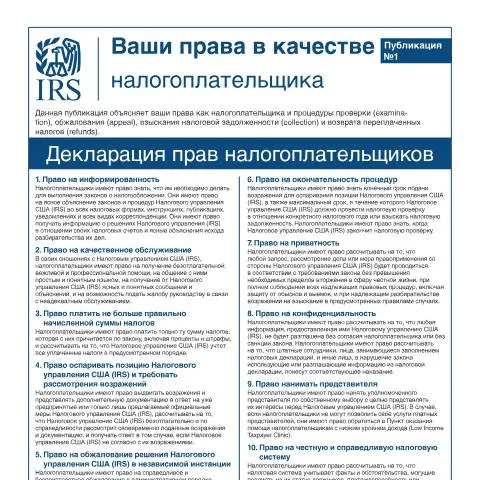
IRS Publication 1RU serves as a crucial document for taxpayers in the United States, detailing their rights and outlining the procedures surrounding tax issues such as audits, appeals, collections, and refunds. This publication not only informs taxpayers of what they can expect from the IRS but also clarifies their responsibilities within the tax system. Understanding this document is essential for anyone interacting with the IRS, whether they are individual taxpayers or business owners.
Understanding the Framework: The Legal Basis Behind Publication 1RU
IRS Publication 1RU is grounded in the Administrative Procedure Act, which establishes the framework for federal administrative procedures. This publication underscores the IRS's commitment to transparency and fair treatment of taxpayers. The IRS must adhere to established regulations while governing taxpayer interactions, audits, and appeals.
Historically, the need for a structured approach to taxpayer rights emerged from public demand for clearer communication and fair processes. The Taxpayer Bill of Rights, introduced in 2014, further strengthened this initiative by ensuring that taxpayers are not only informed but also treated with dignity and respect throughout their dealings with the IRS.
The Core Rights Outlined in Publication 1RU
- Right to be Informed: Taxpayers are entitled to clear explanations of tax laws and procedures. The IRS must provide understandable instructions and communicate decisions regarding tax accounts effectively.
- Right to Quality Service: Taxpayers deserve prompt, courteous, and professional assistance. This includes receiving clear messages and having the ability to file complaints if service is inadequate.
- Right to Pay Only Correct Amounts: Individuals can challenge any incorrect tax assessments to ensure they only pay what is legally owed.
- Right to Challenge IRS Decisions: Taxpayers can contest IRS positions and expect a fair examination of their appeals and documentation.
- Right to Finality: Individuals should be aware of deadlines for appeals and the maximum time the IRS has to conduct audits.
Who Needs to Be Familiar with Publication 1RU?
This publication is relevant for a wide array of taxpayers, including individuals filing personal income taxes, self-employed individuals, and businesses. Each of these groups encounters unique situations that may require them to refer to Publication 1RU. Understanding this document can help avoid pitfalls that may arise during interactions with the IRS.
Special Cases and Exceptions
In certain situations, taxpayers may face additional complexities. For example, those undergoing financial hardships or dealing with natural disasters may have different rights or procedures when engaging with the IRS. Individuals seeking assistance from the Taxpayer Advocate Service may also need to reference Publication 1RU, as it outlines their rights in these unique contexts.
Decoding the Sections of Publication 1RU
Publication 1RU is divided into several sections, each detailing a specific right that taxpayers possess. Understanding the nuances of these sections can empower individuals to better navigate the tax system.
Section Breakdown
- Right to be Informed: This section emphasizes the IRS's obligation to provide clear and accessible information about tax laws, ensuring that taxpayers are not left in the dark regarding their duties.
- Right to Quality Service: This ensures that interactions with IRS representatives are handled professionally and courteously, establishing a baseline for taxpayer experiences.
- Right to a Fair Process: Taxpayers have the right to contest IRS decisions and receive timely responses to their appeals, ensuring that their voices are heard.
Prepping for Tax Interactions: Essential Documentation
When preparing to engage with the IRS, whether for an audit or claiming a refund, documentation is key. Thorough preparation not only facilitates smoother interactions but also ensures that taxpayers can effectively assert their rights.
What Documents Are Essential?
| Situation | Required Documents | Suggested Tips |
|---|---|---|
| Income Tax Filing | W-2s, 1099s, previous tax returns | Ensure all forms are accurate and match income statements. |
| Responding to an Audit | Correspondence from the IRS, supporting documents for deductions | Organize documents chronologically for easy reference. |
| Filing an Appeal | Original tax return, IRS correspondence, documentation supporting your position | Clearly articulate your reasons for disagreement in the appeal letter. |
| Claiming a Refund | Original tax return, proof of payment, any related correspondence | Follow up on refund status if not received within expected timeframe. |
Publication 1RU’s Role in the Larger Tax Procedure
While Publication 1RU specifically addresses taxpayer rights, its implications extend into broader tax procedures. Engaging with the IRS can be daunting, but understanding one’s rights can lead to more favorable outcomes in various situations.
For instance, during an audit, knowing your rights allows you to navigate the process with confidence, ensuring that IRS agents adhere to proper procedures. Similarly, in appeals processes, Publication 1RU serves as a foundational reference, allowing taxpayers to argue their cases effectively.
Beyond Publication 1RU: Distinguishing It from Other IRS Documents
When delving into IRS documentation, it’s easy to confuse Publication 1RU with other forms and publications, such as Form 1040 or IRS Publication 17. However, each document serves distinct purposes and audiences.
Comparative Overview
| Document | Purpose | Target Audience |
|---|---|---|
| Publication 1RU | Rights and procedures for taxpayers | All taxpayers |
| Form 1040 | Individual income tax return | Individual taxpayers |
| Publication 17 | General tax information for individuals | Individual taxpayers |
Practical Tips for Engaging with the IRS
Successfully navigating IRS processes requires not only understanding one’s rights but also knowing how to engage effectively with the agency.
Steps for Successful Engagement
- Stay Organized: Maintain a file of all correspondence, documents, and notes from phone calls to the IRS.
- Be Proactive: If you receive a notice from the IRS, respond promptly to avoid complications that could arise from delays.
- Educate Yourself: Regularly review IRS publications and guidelines relevant to your situation to stay informed of your rights and responsibilities.
- Consider Representation: If the matter is complex or significant, consider hiring a qualified tax professional to assist in navigating the process.
The Empowering Nature of Publication 1RU
By familiarizing themselves with IRS Publication 1RU, taxpayers can feel empowered to assert their rights and navigate the often-complex tax landscape with confidence. This publication not only serves as a guide but as a reminder of the rights afforded to every taxpayer in the United States, reinforcing the importance of fairness and transparency in tax administration.
Understanding IRS Publication p1ru: Purpose and Key Insights
IRS Publication p1ru serves as a vital guide for taxpayers and tax professionals who deal with estate and gift taxes. Its primary aim is to inform individuals about the key aspects of these taxes, which can be complex and often misunderstood.
This publication provides clarity on the types of assets that may be subject to taxation, including real estate, investments, and other personal property. It details how the IRS assesses the fair market value of these assets at the time of transfer, which is crucial for accurate reporting and compliance.
Moreover, Publication p1ru breaks down the responsibilities of executors and administrators of estates. It emphasizes the importance of timely and accurate filing of Form 706, the United States Estate (and Generation-Skipping Transfer) Tax Return, and the penalties associated with late submissions. Understanding these nuances can significantly affect the financial wellbeing of heirs and beneficiaries.
The publication also includes various examples illustrating common scenarios that individuals may encounter, helping to demystify the tax obligations surrounding inheritances and gifts. This practical approach ensures that readers can relate to the content and apply the information effectively in their situations.
Filing Requirements for Estate and Gift Taxes Under IRS Publication p1ru
Filing requirements for estate and gift taxes can be intricate, and IRS Publication p1ru outlines specific thresholds and conditions under which individuals must file relevant forms. One of the primary considerations is the value of the estate at the time of death. As of the latest updates, estates valued above a certain exemption amount, which is periodically adjusted for inflation, must file Form 706.
Additionally, the publication specifies the reporting obligations for gifts made during an individual's lifetime. If a gift exceeds the annual exclusion amount—currently set at $17,000 for 2023—a gift tax return, specifically Form 709, may need to be filed. It's important to note that not every gift incurs a tax; however, failing to report significant gifts can lead to penalties and complications, especially in future estate calculations.
Taxpayers should also be aware of special filings, such as when dealing with generation-skipping transfers, which are subject to additional regulations and potentially higher tax rates. IRS Publication p1ru explains these higher rates in a straightforward manner, allowing taxpayers to understand the implications of their financial actions across generations.
Furthermore, the publication discusses the different tax strategies available to minimize tax liabilities, such as utilizing the marital deduction or charitable contributions. Taxpayers can benefit from strategic planning, which may involve setting up trusts or making timely gifts to reduce overall taxable value, ensuring compliance with IRS regulations while maximizing benefits for heirs.
Common Mistakes and Misconceptions Regarding Estate and Gift Taxes
One of the significant challenges faced by taxpayers regarding estate and gift taxes is the prevalence of common mistakes and misconceptions. IRS Publication p1ru highlights these pitfalls to help taxpayers avoid costly errors.
A common misconception is that only wealthy individuals need to worry about estate taxes. While it's true that higher-value estates are more likely to be taxed, changes to tax laws and exemptions mean that middle-class Americans might also be affected. The publication encourages readers to assess their financial situation comprehensively, as underestimating estate value can lead to unexpected tax liabilities.
Another frequent error is misunderstanding the concept of "gifts." Many individuals assume that all transfers of property or money are taxable. However, the IRS allows various exclusions and deductions that can exempt many transfers from taxation. For instance, contributions to educational or medical expenses paid directly to the institution or provider are not considered taxable gifts.
Additionally, taxpayers often overlook the importance of keeping thorough records of gifts and estate planning documents. Documentation is crucial for substantiating claims made on tax returns, and the lack of proper records can lead to complications during audits or disputes with the IRS.
Finally, it's essential to understand the timeline associated with estate and gift tax filings. Many individuals are surprised to find that the filing deadline for estate taxes is typically nine months after the date of death. This timeline underscores the necessity of prompt and accurate action to avoid penalties or additional interest charges.