Navigating the Intricacies of IRS Publication 6059
When it comes to tax-related documentation, understanding the nuances of various publications is crucial for taxpayers and professionals alike. IRS Publication 6059 is a vital resource that addresses specific energy credit claims related to clean vehicles. It serves as a guide to ensure compliance and smooth processing when submitting claims for energy credits. This publication is particularly important for dealers and manufacturers of clean vehicles, who must navigate complex requirements and recently introduced features in IRS online tools.
Who Needs to Engage with Publication 6059?
Publication 6059 is tailored primarily for dealers and manufacturers involved in the clean vehicle market. However, its reach extends to various stakeholders, including consumers who purchase these vehicles. The following profiles exemplify those who should be well-versed in this publication:
- Vehicle Dealers: Those who sell clean vehicles and must report transaction details accurately.
- Manufacturers: Companies responsible for producing clean vehicles that meet federal requirements.
- Consumers: Individuals purchasing clean vehicles who want to ensure they can claim eligible credits.
Understanding the eligibility criteria and reporting requirements outlined in Publication 6059 helps these users avoid common pitfalls in the claims process.
Steps to Master the Completion of Publication 6059
Completing IRS Publication 6059 involves a series of steps that, if executed carefully, can lead to successful credit claims. Here's a structured approach to avoid common mistakes:
- Gather Necessary Documentation: Identify the specific vehicles involved, including their Vehicle Identification Numbers (VIN) and other relevant details.
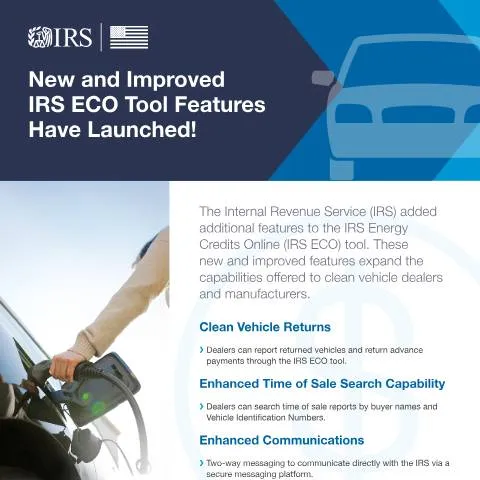
- Utilize the IRS ECO Tool: The IRS Energy Credits Online (IRS ECO) tool has enhanced features allowing dealers to report clean vehicle sales and returns. Familiarize yourself with its functionalities.
- Check Eligibility Requirements: Ensure that the vehicles meet the modified criteria set forth in the latest updates, particularly those concerning battery and critical mineral specifications.
- Review the Submission Process: Determine whether to submit the claim online or via paper forms, paying attention to any deadlines associated with each method.
By following these structured steps, dealers and manufacturers will enhance their chances of a successful submission and compliance with IRS regulations.
Understanding the Key Changes in Publication 6059
The latest iteration of IRS Publication 6059 reflects significant updates that cater to the evolving landscape of clean vehicle regulations. Notable changes include:
- Enhanced Time of Sale Search Capability: The new publication allows for more efficient searches by buyer names and VINs, facilitating better record-keeping and transaction tracking.
- Two-Way Messaging Feature: Dealers can now communicate directly with the IRS through a secure messaging platform, allowing for timely clarification of any issues arising during the claims process.
- Updated Vehicle Eligibility Requirements: The publication emphasizes the importance of compliance with new battery and mineral requirements, essential for maintaining eligibility for energy credits.
These updates are aimed at streamlining the process for dealers and manufacturers while ensuring adherence to federal guidelines.
Handling Missed Claims and Errors in Publication 6059
Even the most diligent dealers may encounter situations where claims are denied or errors occur during submission. Understanding the procedure for addressing these issues is essential for timely resolution:
- Identifying Errors: Regularly check for discrepancies in VINs, buyer information, and compliance with eligibility criteria. A minor error can lead to a rejected claim.
- Submitting Requests for Reconsideration: If a claim is denied, dealers can submit a written request to the IRS, detailing reasons for reconsideration along with any supporting documentation.
- Utilizing the IRS ECO Tool: This platform allows for efficient handling of returned vehicles and advance payments, a crucial feature for correcting previous submission errors.
Being proactive in identifying and resolving errors can mitigate financial losses and maintain trust with clients and stakeholders.
Profile of Potential Challenges Based on User Type
The interaction with Publication 6059 can vary significantly based on the profile of the user. Here are specific scenarios that illustrate the complexities faced by different stakeholders:
Scenario 1: New Dealers Entering the Market
New entrants into the clean vehicle market may struggle with the intricacies of the IRS ECO tool and the eligibility criteria. They must invest time to familiarize themselves with the publication's details to avoid overlooking critical compliance aspects.
Scenario 2: Established Manufacturers with Expanding Product Lines
Manufacturers introducing new lines of clean vehicles need to be aware of the latest eligibility updates in Publication 6059. Ensuring that all vehicles meet the stringent requirements laid out by the IRS is crucial for claiming credits effectively.
Scenario 3: Individual Consumers Purchasing Clean Vehicles
Consumers might face challenges in understanding the application process for energy credits. They need to consult with dealers who are familiar with Publication 6059 to ensure they can correctly claim any eligible credits during their tax filings.
Exploring Submission Channels: Tailoring the Process to Your Needs
When it comes to submitting claims related to IRS Publication 6059, users have multiple channels available. Understanding these options can help tailor the process to individual needs:
| Submission Channel | Description | Pros | Cons |
|---|---|---|---|
| Online via IRS ECO Tool | Secure platform for reporting and communicating with the IRS. |
|
|
| Paper Submission | Traditional method involving mailing completed forms. |
|
|
Choosing the right submission channel is critical, particularly when deadlines are approaching. Users should weigh the pros and cons of each method to ensure timely and accurate submissions.
The Importance of Keeping Up with IRS Communication
As the IRS continues to enhance its tools and features, maintaining open lines of communication with the agency is essential. Dealers and manufacturers should regularly check for updates related to publication 6059 and its associated tools. This proactive approach ensures that users stay informed about any changes that could impact their claims.
In addition, engaging with the IRS through the newly introduced two-way messaging feature can provide clarity on specific concerns, reducing the likelihood of errors during the submission process.
Preparing for Future Changes in Energy Credit Regulations
With the ongoing evolution of clean vehicle regulations, it is prudent for stakeholders to stay ahead of upcoming changes in IRS policies. This includes:
- Monitoring Legislative Updates: Changes at the state or federal level can impact eligibility for credits, making it essential to stay informed.
- Engaging with Industry Groups: Participating in discussions within industry associations can provide insights and forecasts related to regulatory changes.
- Continuing Education: Investing in training related to clean vehicle regulations and IRS processes can equip dealers and manufacturers with the knowledge needed to adapt swiftly to changes.
Navigating the complexities of IRS Publication 6059 requires diligence, preparation, and adherence to the latest guidelines. By staying informed and proactive, stakeholders can successfully manage their claims and leverage available energy credits effectively.
Understanding IRS Publication 6059: A Comprehensive Guide
IRS Publication 6059 provides essential information regarding the tax rules applicable to individuals, estates, and trusts, focusing specifically on the tax treatment of certain distributions and income. It is crucial for taxpayers, especially those dealing with estates or trusts, to understand the implications of this publication to ensure compliance and optimize their tax situation.
This publication is particularly relevant for beneficiaries of trusts and estates, as it delineates the responsibilities and reporting requirements that apply when these entities distribute income. The guidance offered in Publication 6059 helps taxpayers navigate the complexities of tax reporting, ensuring they understand the taxable amounts, including distributions from estates and trusts, and how to report these on their federal tax returns.
Key Takeaways from Publication 6059
One of the significant aspects covered in IRS Publication 6059 is the distinction between income accumulated within a trust or estate versus income distributed to beneficiaries. This distinction can significantly impact the tax liability of both the trust/estate and the beneficiaries. Here are some crucial points to consider:
- Distributable Net Income (DNI): The concept of DNI is central to understanding how distributions are taxed. DNI limits the amount of income that beneficiaries can claim as taxable, which means that only income up to the DNI of the trust or estate is subject to taxation in the hands of the beneficiaries.
- Character of Income: The character of the income that a trust or estate distributes to a beneficiary retains its character. For example, if a trust distributes capital gains, beneficiaries must report that income as capital gains on their returns, even if it is distributed alongside ordinary income.
- Reporting Requirements: Both estates and trusts must provide beneficiaries with Schedule K-1 (Form 1041), which details the income, deductions, and credits that the beneficiaries need to report on their tax returns. Understanding how to read and utilize the Schedule K-1 is critical for accurate reporting and compliance.
Filing Requirements and Deadlines Related to Publication 6059
When dealing with estates and trusts, it is imperative to be aware of specific filing requirements and deadlines. IRS Publication 6059 outlines several key deadlines that must be adhered to, which vary based on the type of entity and situation involved.
Filing Form 1041
Estates and trusts must file Form 1041, U.S. Income Tax Return for Estates and Trusts, if they meet certain conditions. The filing deadline for Form 1041 is typically April 15 for estates and trusts with a calendar year-end; however, this deadline is subject to change if it falls on a weekend or holiday. If the estate or trust operates on a fiscal year, the return is due on the 15th day of the fourth month following the end of the fiscal year.
It’s also important to note any extensions available. Estates and trusts can apply for an automatic six-month extension to file Form 1041 using Form 7004. However, this form does not extend the time to pay any taxes due.
Impact on Beneficiaries
Beneficiaries should be aware that the IRS views the distributions they receive from an estate or trust as taxable income, which requires careful planning to avoid unexpected tax liabilities. Being informed about the tax implications is crucial, as they need to file their returns accurately based on the information provided on the Schedule K-1.
Furthermore, beneficiaries may have additional obligations if they reside in a different state from the estate or trust. Consulting with a tax professional familiar with multi-state tax laws is advisable to ensure compliance and to understand how distributions may affect state tax obligations.
Frequently Asked Questions (FAQs) Regarding IRS Publication 6059
Many taxpayers have questions about the implications of IRS Publication 6059 and how it relates to their specific situations. Below are some frequently asked questions that can provide clarity.
What is the purpose of IRS Publication 6059?
IRS Publication 6059 serves as a guide for taxpayers regarding the tax treatment of estates and trusts, particularly focusing on how income is distributed and taxed. It highlights critical concepts such as distributable net income and provides clarity on filing requirements and tax implications for both the trusts/estates and their beneficiaries.
Who should consult IRS Publication 6059?
Individuals involved with estates or trusts, including executors, administrators, and beneficiaries, should consult IRS Publication 6059 to understand their tax obligations. Tax professionals assisting clients in this area should also be well-versed in the publication to provide accurate advice.
Are there penalties for non-compliance with the guidelines in Publication 6059?
Failure to comply with the reporting and filing requirements outlined in IRS Publication 6059 can result in penalties. Trusts and estates can face fines for late filings, while beneficiaries who fail to report their income accurately may face underreported income penalties. Timely and accurate compliance is critical to avoid unnecessary penalties and interest.
How can a tax professional assist with Publication 6059-related issues?
Tax professionals can offer invaluable assistance when navigating the complexities of IRS Publication 6059. They help ensure compliance with filing requirements, accurately report income on tax returns, and strategize to minimize tax liabilities. Engaging a qualified tax professional is advisable for both beneficiaries and fiduciaries managing estates or trusts.