Understanding the Essence of IRS Publication 5916
IRS Publication 5916, issued by the Internal Revenue Service (IRS), plays a critical role in guiding taxpayers through the complexities of tax regulations, especially those pertaining to specific deductions and credits. With the ever-changing landscape of tax laws, understanding the implications of this publication is essential for ensuring compliance and optimizing tax benefits.
The Historical Context of IRS Publication 5916
This publication emerged in response to evolving tax laws and the need for clarity on deductions associated with various expenses. Initially established to aid taxpayers in navigating the intricacies of the tax code, the guidance provided within Publication 5916 reflects the IRS's commitment to transparency and taxpayer education. The publication has gone through several revisions, including its most recent update in February 2025, signifying ongoing regulatory adaptations to meet contemporary fiscal needs.
Key Legislative Changes Impacting Publication 5916
Over the years, various tax reforms have influenced the content and guidelines of Publication 5916. Notably:
- The Tax Cuts and Jobs Act introduced significant adjustments affecting itemized deductions.
- The CARES Act provided temporary enhancements to certain tax credits during economic disruptions.
- The Inflation Reduction Act has implications for energy-related deductions, which are addressed in this publication.
Each of these legislative changes has necessitated updates in the IRS's guidance to ensure taxpayers are well-informed and equipped to take advantage of available benefits.
Navigating the Sections of IRS Publication 5916
Publication 5916 comprises several essential sections that outline specific areas of tax law. Each section is designed to address different aspects of tax deductions and credits, with detailed explanations and examples to aid comprehension.
1. Deduction Eligibility Criteria
This section outlines who qualifies for various deductions detailed in the publication. It's crucial to understand the eligibility requirements, as they can vary based on income levels, filing status, and specific circumstances (e.g., having dependents).
2. Types of Deductions Explained
Publication 5916 elaborates on several types of deductions, such as:
- Home Office Deduction: Applicable for self-employed individuals who use part of their home for business purposes.
- Medical Expense Deductions: Details the process of deducting qualifying medical expenses exceeding a certain percentage of adjusted gross income (AGI).
- Charitable Contributions: Explains how to document and claim deductions for donations made to qualified organizations.
Understanding these categories is vital for maximizing potential tax refunds or reducing tax liabilities.
3. Common Pitfalls When Completing the Form
Taxpayers often encounter challenges while filling out their forms based on the guidelines in Publication 5916. Common mistakes include:
- Incorrect calculation of deductible amounts.
- Failure to provide sufficient documentation to support deductions claimed.
- Misunderstanding eligibility criteria, leading to the rejection of claims.
A thorough review of each section before submitting any forms can help mitigate these issues.
Specific Circumstances and Exceptions
Taxpayers may find themselves in unique situations that alter their eligibility for certain deductions outlined in Publication 5916. Understanding these exceptions is crucial.
Considerations for Foreign Residents
Individuals who are not U.S. citizens but earn income in the United States must navigate additional complexities. Publication 5916 provides guidance on:
- Tax treaty benefits that might affect eligibility for local deductions.
- Requirements for filing taxes as a non-resident alien.
Dependencies and Minors
Taxpayers with dependents, particularly minors, will find that their eligibility for deductions can change based on dependency status. Important factors include:
- The age of the dependent at the end of the tax year.
- The relationship to the taxpayer and residency requirements.
- Income thresholds for dependents that might impact filing status.
This section emphasizes the need for careful review of dependency definitions to ensure proper claiming of deductions.
Publication 5916 vs. Other IRS Forms and Publications
Despite its specific focus, IRS Publication 5916 can often be confused with other documents. Distinguishing this publication from related forms is essential for compliance.
Comparative Overview
| Document | Purpose | Key Focus Areas |
|---|---|---|
| IRS Form 1040 | Individual income tax return | Comprehensive income reporting, tax calculations |
| IRS Publication 501 | Dependents and exemptions | Eligibility criteria for dependents |
| IRS Publication 463 | Travel, gift, and car expenses | Details specific to travel-related deductions |
| IRS Publication 5916 | Deductions and credits | Specific deductions relevant to taxpayers |
Understanding these distinctions helps taxpayers navigate their responsibilities more effectively, ensuring they reference the correct documents for their circumstances.
A Step-by-Step Journey Through the Tax Filing Process
Filing taxes can often feel overwhelming, but breaking down the process into manageable steps can help clarify the journey from initiation to resolution.
Step 1: Gathering Financial Information
Before diving into the complexities of IRS Publication 5916, taxpayers should collect all relevant documentation, including:
- W-2 and 1099 forms
- Receipts for deductible expenses
- Records of any contributions made to charities
Step 2: Assessing Eligibility
Next, taxpayers must assess their eligibility for various deductions outlined in Publication 5916. A comprehensive review of the criteria mentioned in the publication will allow individuals to determine which deductions apply to their situation.
Step 3: Completing the Necessary Forms
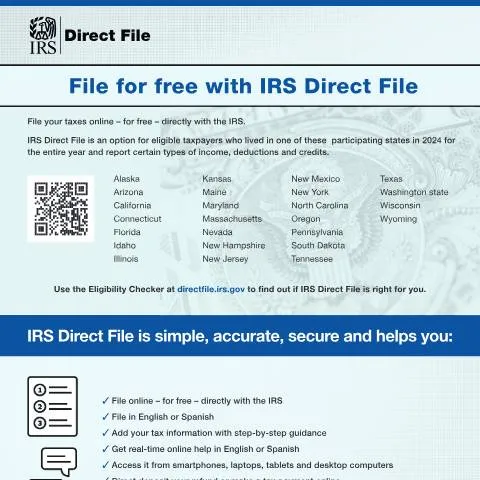
Armed with information and eligibility checks, it’s time to fill out the required tax forms. Utilize IRS Direct File or other approved methods to ensure accuracy and compliance.
Step 4: Review and Submission
Before submission, taxpayers should conduct a thorough review of their forms, ensuring all information is accurate and aligned with the guidelines in Publication 5916. Successful submission may lead to a refund or reduced tax liabilities.
Step 5: Handling Potential Issues
Post-submission, taxpayers should monitor their status and be prepared to respond to any inquiries from the IRS regarding their claims. In case of discrepancies or rejections:
- Review the reason for denial carefully.
- Gather necessary documentation to contest or clarify.
- Consider consulting a tax professional if issues persist.
Dealing with Rejections and Missing Information
Experiencing rejection or requests for additional information can be disheartening, but understanding the avenues for resolution is vital.
Understanding the Notification Process
Upon denial of a deduction or credit, the IRS will issue a notice detailing the reason for the rejection. Taxpayers should address these issues promptly to prevent delays in their tax outcomes.
Steps to Take if Your Claim is Denied
- Review the denial notice thoroughly, focusing on the specific reasons given.
- Identify any missing documentation or errors in the original submission.
- Prepare an appeal if you believe the denial was unwarranted, and gather your supporting evidence.
Ultimately, assertive and informed action is essential for navigating the complexities of tax rejections and ensuring compliance.
Final Thoughts on Leveraging IRS Publication 5916
IRS Publication 5916 serves as a valuable resource for taxpayers seeking to maximize their deductions and credits in alignment with current tax laws. Understanding its components, eligibility requirements, and the nuances of tax filing processes can significantly enhance the filing experience. A proactive approach—backed by thorough documentation and an informed understanding of IRS guidelines—will empower taxpayers to navigate their financial responsibilities with confidence and clarity.
Understanding IRS Publication 5916: Key Aspects for Taxpayers
IRS Publication 5916 serves as a vital resource for taxpayers engaged in specific transactions, particularly those related to the taxation of certain types of income. The publication clarifies how taxpayers should report their income, deductions, and credits associated with these transactions, offering guidance on compliance with federal tax laws. Understanding the nuances of this publication is essential for both individuals and businesses to ensure accurate reporting and to avoid potential penalties.
This publication includes detailed examples illustrating various scenarios where the tax implications may differ based on individual circumstances. For instance, taxpayers who have participated in a foreign earned income exclusion may find the guidelines specific to their situation outlined within this document. To maximize the advantage of the information provided, it is crucial to read through the publication thoroughly and pay close attention to the examples relevant to your income situation.
Common Misconceptions About IRS Publication 5916
Despite being an essential guide, there are several common misconceptions surrounding IRS Publication 5916. One prevalent issue is the belief that this publication only applies to high-income earners or those with complex financial situations. In reality, any taxpayer who encounters specific types of income or deductions, regardless of their income level, is responsible for understanding how to report that income correctly.
Furthermore, some taxpayers assume that IRS Publication 5916 is a standalone document that can be understood without reference to other IRS publications or tax guidance. However, it is important to recognize that this publication often references other forms and publications, such as Form 1040 or Publication 17, which provide additional context and details necessary for accurate tax reporting. Therefore, it is beneficial to view IRS Publication 5916 as part of a broader tax framework rather than in isolation.
Practical Steps to Ensure Compliance with IRS Publication 5916
To effectively apply the guidance from IRS Publication 5916, taxpayers can take several practical steps to ensure compliance and avoid complications during tax filing. First, it is essential to gather all relevant documentation pertaining to the income or deductions in question. This includes W-2 forms, 1099 forms, receipts for deductible expenses, and any other records that substantiate the income reported.
Next, taxpayers should familiarize themselves with the specific sections of IRS Publication 5916 that relate to their situation. Highlighting key points or noting particular examples can help in understanding the overall requirements and ensure that nothing is overlooked. Additionally, keeping abreast of any updates to the publication or tax regulations throughout the tax year is advisable, as tax laws can frequently change.
Lastly, when in doubt, taxpayers should consider consulting a tax professional or using IRS resources, such as the IRS website, to clarify any uncertainties regarding their specific circumstances. Engaging with these resources can provide peace of mind and help to navigate the complexities of tax filing effectively.