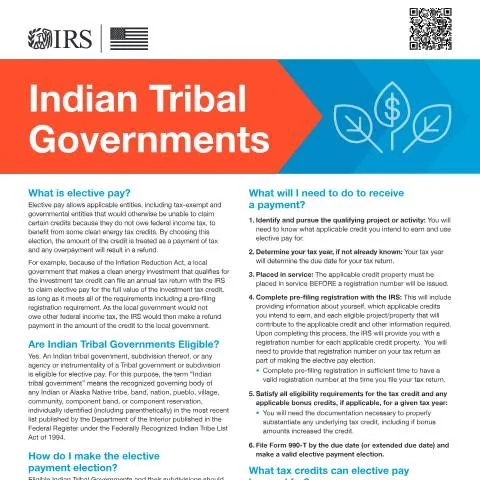
Understanding IRS Publication 5817-F: A Comprehensive Guide
When it comes to navigating the often complex world of federal taxes and regulatory compliance, IRS Publication 5817-F stands out as a crucial document for eligible entities. With its potential to unlock clean energy tax credits for tax-exempt and governmental organizations, this publication is not just a form but a gateway to significant financial benefits. Understanding its purpose, application process, and implications is essential for those involved in local government and Indian Tribal Governments.
Who Needs to Complete IRS Publication 5817-F?
This document is particularly relevant for Indian Tribal Governments and their subdivisions. Any recognized governing body of an Indian or Alaska Native tribe, along with their respective agencies and instrumentalities, can take advantage of the provisions outlined in Publication 5817-F. This broad definition ensures that a wide range of governmental entities can participate in clean energy initiatives and benefit from various tax credits.
Eligibility Criteria
- Recognized Governing Bodies: Only those tribes listed in the most recent Federal Register under the Federally Recognized Indian Tribe List Act of 1994 are eligible to utilize this publication.
- Clean Energy Investments: Entities must be engaged in qualifying projects that align with the clean energy tax credits available under federal law.
- Tax Exempt Status: As tax-exempt organizations, these entities wouldn’t typically owe federal income tax, making the elective pay mechanism critical for them.
The Role of Elective Pay in Clean Energy Tax Credits
One of the standout features of IRS Publication 5817-F is the concept of elective pay. This mechanism allows eligible entities to treat the clean energy tax credits as payments of tax, which is particularly beneficial for those that do not have taxable income.
How Elective Pay Works
- Eligible entities identify a qualifying clean energy project.
- Complete required pre-filing registration with the IRS, needing an Employer Identification Number (EIN) or Tax Identification Number (TIN).
- Upon approval, the IRS issues a registration number necessary for claiming the credits on Form 990-T.
- File Form 990-T by the deadline while ensuring that all documentation supporting the claim is complete and accurate.
The elective pay option allows these entities to receive refunds for overpayments if their credits exceed their tax liabilities, providing a unique opportunity for funding clean energy projects.
Preparing for Submission: Documentation and Process
When preparing for the submission of IRS Publication 5817-F, careful attention to detail is paramount. The following steps and documentation are required to ensure a smooth application process:
Required Documentation
- Pre-Filing Registration: Entities must register with necessary project details and receive a registration number from the IRS.
- Project Information: Detailed descriptions of the clean energy projects must be included, along with expected credit values.
- Supporting Documents: Any additional documentation that supports the claim for tax credits, including invoices, contracts, and project completion certificates.
Filing Process
The filing process involves several crucial steps:
- Complete the pre-filing registration in a timely manner to obtain the necessary registration number.
- Determine the applicable tax year for filing Form 990-T.
- Ensure all documentation is accurate and comprehensive before submission.
- File Form 990-T electronically, as it is strongly encouraged by the IRS.
Understanding the Implications of Refusals and Rejections
Despite thorough preparation, there may be instances where the IRS refuses or rejects an application associated with IRS Publication 5817-F. Navigating these situations can be daunting, but knowing how to handle them is essential.
Common Reasons for Refusal
- Incomplete Documentation: Failure to provide all required documents and information can lead to denial.
- Ineligibility: If a government entity does not meet eligibility criteria, claims could be rejected outright.
- Errors in Filing: Simple mistakes or inaccuracies in Form 990-T can trigger a refusal.
Steps to Address Challenges
- Carefully review the IRS communication outlining the reason for refusal.
- Gather all necessary documentation to support your case.
- Consider re-filing with corrected information or appeal the decision if warranted.
How IRS Publication 5817-F Integrates with Other IRS Forms
While IRS Publication 5817-F holds its unique importance, it is often confused with other forms or publications that serve similar functions in the tax ecosystem. Understanding these distinctions can streamline the filing process.
Comparison with Related Forms
| Form Name | Purpose | Key Distinction |
|---|---|---|
| Form 990-T | Used by tax-exempt organizations to report unrelated business income. | Publication 5817-F focuses solely on clean energy tax credits for eligible entities. |
| Form 1040 | Standard individual income tax return for U.S. citizens. | IRS Publication 5817-F applies specifically to entities with tax-exempt status. |
| Form 5884 | Claiming specific business credits, including disaster relief credits. | Focused more on business credits rather than clean energy initiatives. |
Engaging with the IRS: Resources and Support
For eligible entities, navigating the intricacies of IRS Publication 5817-F may still require assistance. Fortunately, the IRS offers a variety of resources to support applicants.
Available Resources
- IRS Official Website: Access comprehensive guidance and updates directly from the IRS at irs.gov.
- Customer Support: Contact the IRS for specific inquiries or clarifications regarding your filing process.
- Workshops and Webinars: Attend educational sessions hosted by the IRS focusing on tax credits and forms related to clean energy initiatives.
Final Insights on Leveraging IRS Publication 5817-F
Utilizing IRS Publication 5817-F effectively can substantially impact the financial viability of clean energy projects undertaken by eligible entities. By understanding the nuances of this publication, including the mandatory steps for application and the potential hurdles that may arise, Indian Tribal Governments can unlock essential funding avenues. As the landscape of clean energy continues to evolve, staying informed and proactive in leveraging available tax credits will be key to promoting sustainable development and investment.
Understanding IRS Publication 5817F: A Comprehensive Overview
IRS Publication 5817F is an essential resource for taxpayers navigating the complex world of federal tax obligations and benefits. This publication clarifies the rules concerning the taxation of various types of income, deductions, and credits that could impact individual taxpayers, particularly concerning the rules governing tax-exempt organizations and their interactions with individuals. Understanding this document is crucial for both taxpayers and tax professionals, as it outlines necessary procedures and criteria that can significantly influence tax liability.
The publication categorizes income into various types, providing specific guidelines for how each should be taxed. For individuals involved with tax-exempt organizations, Publication 5817F offers insight into how distributions from these organizations affect personal income tax, underlining the necessity for proper reporting and compliance. Taxpayers must be aware that certain distributions may be subject to income tax, while others may qualify for specific deductions or credits.
Key Sections of Publication 5817F: What Taxpayers Need to Know
Publication 5817F is structured to ensure that taxpayers can easily navigate its content. The primary sections include:
- Types of Income: This section breaks down various income sources, such as wages, dividends, and capital gains, detailing how each is treated under federal law.
- Deductions: Taxpayers can find guidance on common deductions, including those for education expenses, medical costs, and charitable contributions. It's essential to recognize which deductions are allowable and the documentation required to claim them effectively.
- Credits: The publication elaborates on applicable tax credits available to individuals, such as the Earned Income Tax Credit (EITC), emphasizing eligibility criteria and how to claim these credits to reduce tax liability.
Each section is designed with practical examples and scenarios that taxpayers might encounter, making it easier to grasp complex tax concepts. For those who may be filing taxes for the first time or dealing with a unique financial situation, referencing specific examples can clarify the tax implications of various decisions.
Navigating Tax Compliance: Tips from IRS Publication 5817F
Tax compliance is not merely about understanding tax law but also about ensuring adherence to all applicable regulations. IRS Publication 5817F provides several practical tips for taxpayers to ensure they meet their obligations:
- Keep Accurate Records: Maintaining organized records of all income sources, deductions, and credits is vital. This includes receipts, bank statements, or any other documentation that supports claims made on your tax return.
- Understand Deadlines: Familiarize yourself with critical tax deadlines. For most filers, the deadline for submitting federal tax returns is April 15. However, extensions may be available, and it is important to understand how these can impact your filing status.
- Consult Tax Professionals: For individuals with complex tax situations, seeking advice from tax professionals can be beneficial. These experts can provide tailored advice based on current laws and help maximize benefits under Publication 5817F.
- Utilize IRS Resources: The IRS website provides many tools and resources, including online forms and interactive guides, to assist taxpayers in navigating their obligations. Utilizing these resources can improve your understanding and compliance.
By adhering to these guidelines, taxpayers can not only ensure compliance but also potentially enhance their overall tax outcomes, minimizing the risk of errors that could lead to audits or penalties.